
When considering steam cleaning your carpets, it’s important to weigh the benefits of deep cleaning, allergen removal, and eco-friendly practices against the challenges of drying time, mold risks, and equipment costs. You’re likely interested in a cleaner home environment but are you fully aware of all potential pitfalls? Steam cleaning offers a thoroughness that many other methods can’t match. However, it requires careful management to avoid downsides. How does this method compare to dry cleaning? Which option best suits your lifestyle needs? Let’s explore these questions and determine what truly works for your home.
Understanding Steam Cleaning
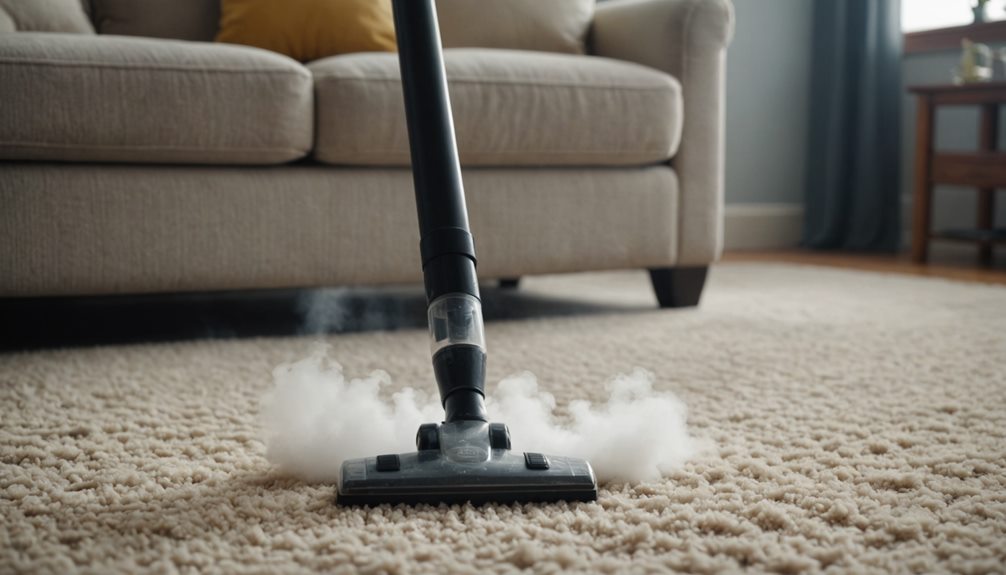
Steam cleaning is an effective method for deep-cleaning carpets. It utilizes hot water vapor to penetrate fibers and lift dirt, allergens, and bacteria. Understanding how steam cleaning works requires knowledge of steam generation and the involved cleaning equipment.
The process begins with a steam cleaner heating water to produce vapor at temperatures typically between 170°F and 200°F. This high temperature is crucial for breaking down stubborn grime and sanitizing surfaces.
Selecting the right cleaning equipment is essential for optimal results. A quality steam cleaner should maintain consistent pressure to ensure deep penetration into carpet fibers. It’s important to adjust the steam output based on the carpet’s thickness and material to prevent damage.
Additionally, ensure your equipment has a robust extraction system for effective removal of moisture and lifted contaminants.
For practical application, always vacuum the carpet thoroughly before steam cleaning to remove loose debris. Use slow, even strokes with the steam cleaner, allowing the steam adequate time to work on each section.
Advantages of Steam Cleaning
Opting for steam cleaning unlocks numerous benefits that elevate carpet care to a professional level.
Firstly, steam cleaning offers impressive cost efficiency. By investing in this method, you significantly reduce the need for frequent professional cleanings, saving money in the long run. The hot vapor penetrates deep within the carpet fibers, effectively loosening and lifting grime without harsh chemicals, thus preserving the carpet’s integrity.
Furthermore, steam cleaning has a positive environmental impact. It uses water as the primary cleaning agent, greatly minimizing the need for chemical detergents that can harm the environment. This eco-friendly approach not only protects our planet but also ensures a safer living environment for your loved ones, especially children and pets.
The following are some key benefits of steam cleaning:
- A Healthier Home: It effectively eradicates allergens, dust mites, and bacteria.
- Extended Carpet Lifespan: Regular steam cleaning maintains carpet fibers and prevents premature wear.
- Odor Elimination: It neutralizes odors leaving your home smelling fresh.
The Effectiveness of Deep Cleaning
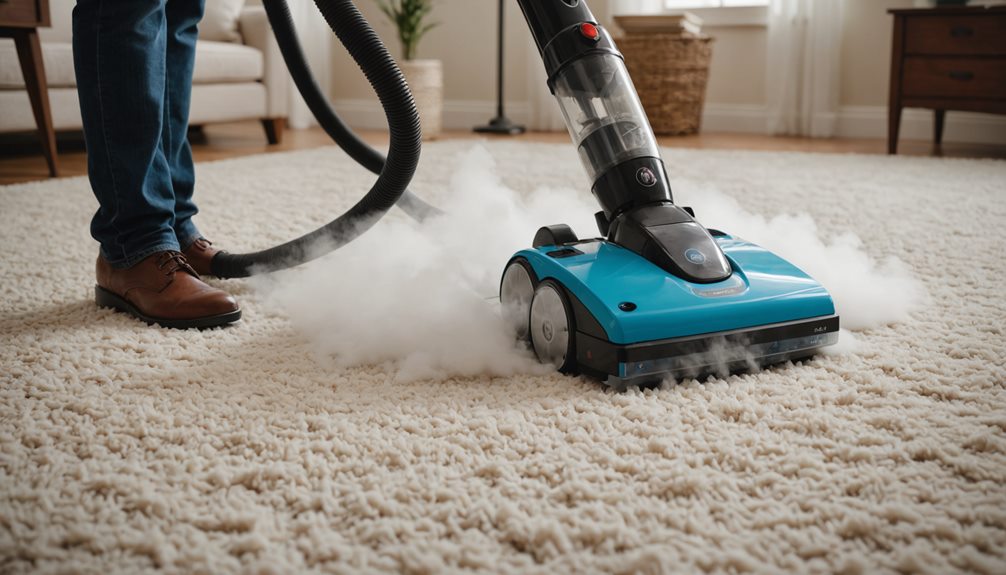
The numerous benefits of steam cleaning naturally lead to its remarkable deep-cleaning effectiveness. When you steam clean carpets, you utilize high-temperature steam that penetrates deeply into the carpet fibers. This intense heat breaks down and dissolves stubborn stains, making stain removal more efficient compared to traditional methods.
It’s crucial to operate the steam cleaner at the recommended settings, ensuring optimal results without damaging the carpet material. The process not only lifts visible stains but also addresses embedded dirt and grime that vacuums often miss.
Steam cleaning greatly contributes to carpet longevity. By effectively removing dirt and stains, it prevents abrasive particles from grinding into the fibers over time, which can lead to premature wear. Regular steam cleaning can extend your carpet’s lifespan, ensuring it remains vibrant and intact for years.
For best results, consider steam cleaning your carpets every 12 to 18 months or more frequently in high-traffic areas.
Additionally, remember to vacuum your carpet before steam cleaning to remove loose dirt and debris. After cleaning, ensure adequate drying time is allowed to prevent mold and mildew growth.
Allergen and Bacteria Removal
Many homeowners are unaware of how effectively steam cleaning tackles allergens and bacteria in carpets. You’re probably familiar with the persistent challenge of allergen exposure and bacteria survival in your living space.
Steam cleaning offers a powerful solution by using high temperatures to penetrate deep into carpet fibers, disrupting and removing these unwanted elements. Here’s why this method is so effective:
- Heat Penetration: The steam generated during cleaning not only reaches the surface but also penetrates deeper layers, guaranteeing allergens like dust mites and pet dander are thoroughly eradicated.
- Bacteria Neutralization: At high temperatures, steam effectively neutralizes bacteria reducing their survival rate considerably. This creates a healthier environment especially important for homes with children or individuals with allergies.
- No Chemical Residue: Unlike chemical treatments, steam cleaning leaves no harmful residues. This eco-friendly approach guarantees your carpets are safe for everyone in the household, including pets.
To maximize the benefits, consider scheduling regular steam cleaning sessions. It’s a proactive approach that not only maintains cleanliness but also enhances the health of those you care for.
Considering Drying Time

After completing a steam cleaning session, it’s essential to consider drying time to ensure your carpets are ready for regular use. Effective drying techniques are important to minimize downtime and ensure the longevity of your carpet fibers.
Start by enhancing air circulation using fans and opening windows if possible. This increases evaporation rates allowing moisture to dissipate more swiftly. Additionally, setting up dehumidifiers can greatly expedite the drying process by reducing ambient humidity levels which significantly influence drying time.
Consider the type of carpet you’re dealing with as different fibers absorb moisture differently. For instance, synthetic fibers typically dry faster than natural ones. Elevate furniture and hang rugs when feasible to promote airflow underneath assisting in uniform drying.
Be mindful of room temperature; warmer environments tend to speed up drying so adjusting your thermostat can be beneficial.
Furthermore, timing matters. Scheduling your steam cleaning during seasons with lower humidity factors can lead to quicker drying times.
Mold Growth Risks
How can you effectively prevent mold growth after steam cleaning your carpets? Firstly, understanding mold prevention techniques is essential. Mold thrives in damp environments and steam cleaning by its nature introduces moisture into your carpets.
To combat this, focus on proper ventilation and humidity control. Ensure your home is well-ventilated by opening windows or using fans to expedite drying.
Here are three practical steps to minimize mold risks:
- Humidity Control: Keep indoor humidity levels below 60%. Use dehumidifiers in high-humidity areas to maintain ideal conditions for quickly drying carpets.
- Prompt Drying: Aim to dry carpets within 12 to 24 hours. This crucial window reduces the likelihood of mold spores taking hold. Use high-efficiency air movers or fans to enhance airflow over the carpet surface.
- Regular Inspection: After cleaning, inspect carpets frequently for signs of moisture retention or mold formation. This vigilance allows you to address potential issues before they escalate.
Comparing Cleaning Methods
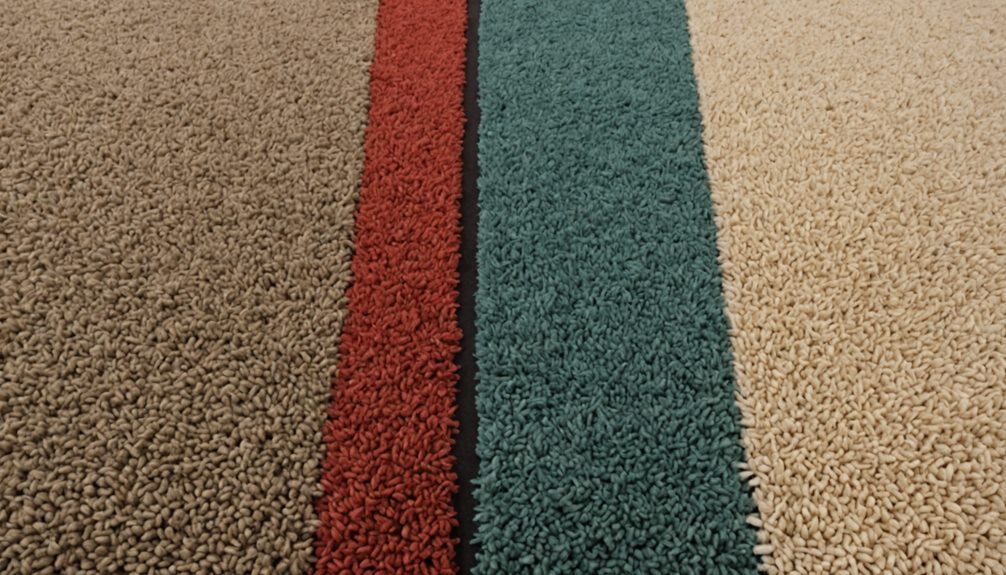
When deciding on the best method for cleaning carpets, it’s essential to understand the nuances of each approach.
Steam cleaning, also known as hot water extraction, offers a deep clean by penetrating carpet fibers with hot water and minimal chemicals. This method is particularly effective for removing allergens and bacteria making it a great choice for those who prioritize health and sustainability.
However, it’s vital to consider the drying time as carpets can remain damp for hours possibly leading to mold if not properly ventilated.
On the other hand, dry cleaning uses chemical solvents to break down dirt and stains. While this method allows for quicker drying times, the chemicals used can sometimes leave residues and odors. It’s ideal for situations where immediate carpet use is necessary such as in high-traffic areas or during events.
In terms of cost comparison, steam cleaning might be slightly more expensive due to equipment and energy use but it pays off in long-term cleanliness and reduced allergen exposure.
Dry cleaning is often more budget-friendly upfront but consider the frequency of cleaning required to maintain carpet health.
Balancing these factors will help you choose the method that best serves your needs and those of others.
Conclusion
You’ve explored the ins and outs of steam cleaning but is there a better way to ensure your carpets are pristine and allergen-free? While steam cleaning offers unparalleled deep-cleaning benefits and a healthier home environment, remember to manage drying times effectively to prevent mold. Consider the initial equipment cost as an investment in your home’s longevity. Opt for steam cleaning if you’re prioritizing thoroughness and eco-friendliness over convenience—your carpets, family, and pets will thank you for it.
If you’re curious about learning more about steam cleaning and how it can benefit your home, we invite you to visit Hydra Clean of Hattiesburg MS at myhydraclean.com or give us a call at (601) 336-2411. We would love to chat with you and answer any questions you might have. Let’s work together towards ensuring your home is as clean and healthy as possible!