
Imagine you have a brick patio that’s seen better days, covered in stubborn moss and grime. You’re faced with the decision of using pressure washing or scrubbing to restore it. While pressure washing might seem like the faster choice, there are factors you need to weigh before deciding. Scrubbing offers a more controlled approach, especially for surfaces that might be vulnerable to high pressure. But what about the cost implications and environmental impact? Understanding the pros and cons of each method will help you make an informed choice for your exterior cleaning needs.
Understanding Pressure Washing
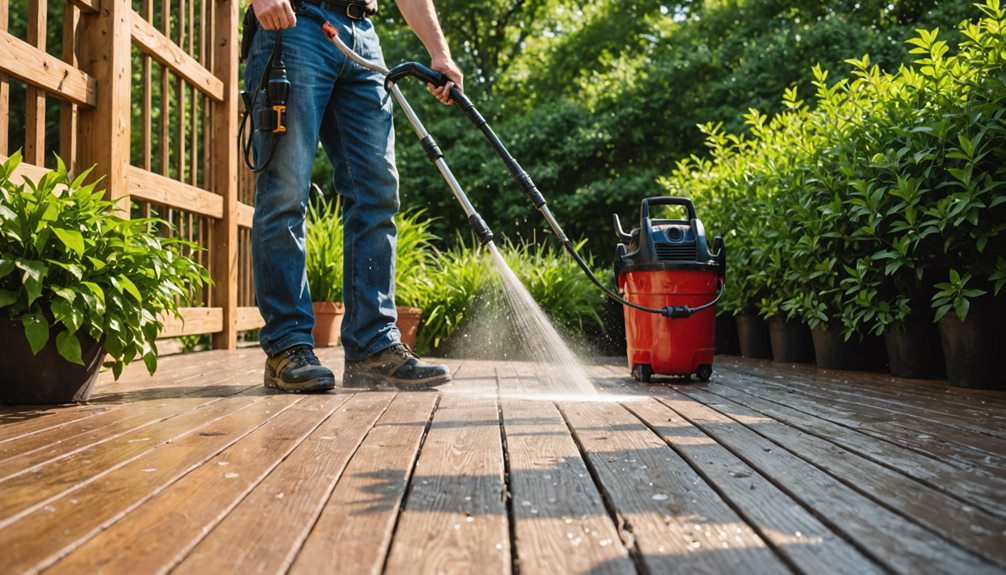
Pressure washing is an efficient method that employs high-pressure water jets to remove dirt, grime, and debris from surfaces. This technique is particularly effective for cleaning large areas quickly and thoroughly.
If you’re considering using pressure washing techniques, it’s vital to familiarize yourself with the equipment and its settings. Adjust the pressure levels according to the surface material to prevent damage. For instance, different pressure settings are required for concrete compared to wood.
To ensure safe and effective service delivery, always adhere to essential safety precautions. Wearing protective gear like goggles, gloves, and sturdy footwear is non-negotiable.
Before starting, inspect the area for any hazards such as loose debris that could become projectiles. Keep a safe distance from electrical outlets and delicate surfaces to avoid accidents. Additionally, never aim the pressure washer at people or pets as this can cause serious injury.
Benefits of Pressure Washing
A firm grasp on the intricacies of pressure washing reveals the tangible benefits this cleaning method offers. When efficiency is essential, pressure washing stands out as an ideal solution. It harnesses the power of high-pressure water jets to dislodge dirt, grime, and mold from surfaces with unparalleled cleaning efficiency.
Unlike traditional scrubbing, which can be labor-intensive and time-consuming, pressure washing covers large areas swiftly, conserving both time and energy.
Furthermore, pressure washing extends beyond mere cleanliness. It plays a key role in surface protection. By removing contaminants like algae and mildew, pressure washing helps prevent long-term damage to your exterior surfaces.
This proactive approach not only enhances aesthetic appeal but also prolongs the lifespan of building materials, reducing the need for costly repairs or replacements.
When you choose pressure washing, you’re making a commitment to maintaining your property’s integrity. It’s ideal for those who want to serve their community by keeping shared spaces clean and inviting.
Whether you’re tackling residential exteriors or commercial buildings, integrating pressure washing into your routine offers a strategic advantage in preserving both beauty and function.
Drawbacks of Pressure Washing
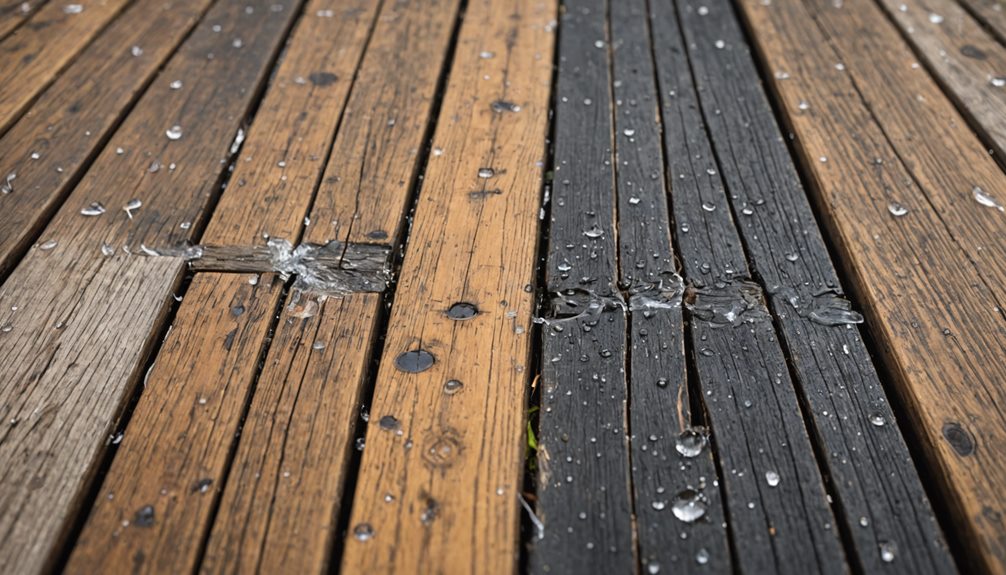
Pressure washing is highly effective but does come with potential drawbacks that users must consider. One primary concern is safety. The high-pressure water jet can cause injuries if mishandled; hence it’s essential to wear protective gear.
Always ensure that no one—especially children or pets—is nearby when operating the equipment. Beyond personal safety concerns are risks to your property: incorrect pressure settings can strip paint, damage wood, or even break windows.
Moreover, equipment maintenance is vital for peak performance and longevity. Regularly inspect hoses, nozzles, and connections for wear and tear. Neglected equipment can malfunction, leading to inefficient cleaning or unexpected breakdowns.
It’s also necessary to store the machine correctly to prevent damage from the elements as exposure can lead to rust or mechanical failure.
Additionally, pressure washers consume a significant amount of water—a consideration if you’re aiming to minimize environmental impact. They can also inadvertently push contaminants into the ground, potentially affecting local ecosystems.
Balancing these factors with the cleaning benefits helps guarantee responsible and effective use for the community’s good.
Overview of Scrubbing
A thorough understanding of scrubbing reveals its effectiveness as a traditional cleaning method often preferred for its control and precision. When tackling exterior cleaning tasks, mastering scrubbing techniques can make a significant difference in the outcome.
By employing the right strategy and tools, you guarantee a thorough cleaning while preserving the integrity of the surface. Here’s what you need to know:
- Scrubbing Techniques: Understand the surface material to choose an appropriate technique. Circular motions work well for stubborn grime while linear strokes suit delicate surfaces.
- Effective Tools: Select suitable tools for your task. Stiff-bristled brushes handle tough dirt while softer brushes protect fragile surfaces. For tight spots use small detail-oriented brushes that reach every corner effectively.
- Cleaning Agents: Pair your scrubbing with suitable cleaning agents. Natural solutions like vinegar or eco-friendly detergents can be effective and safe for the environment.
- Safety Measures: Prioritize safety by wearing gloves and protective eyewear. This precaution safeguards against any harmful interactions with cleaning agents or debris.
Advantages of Scrubbing
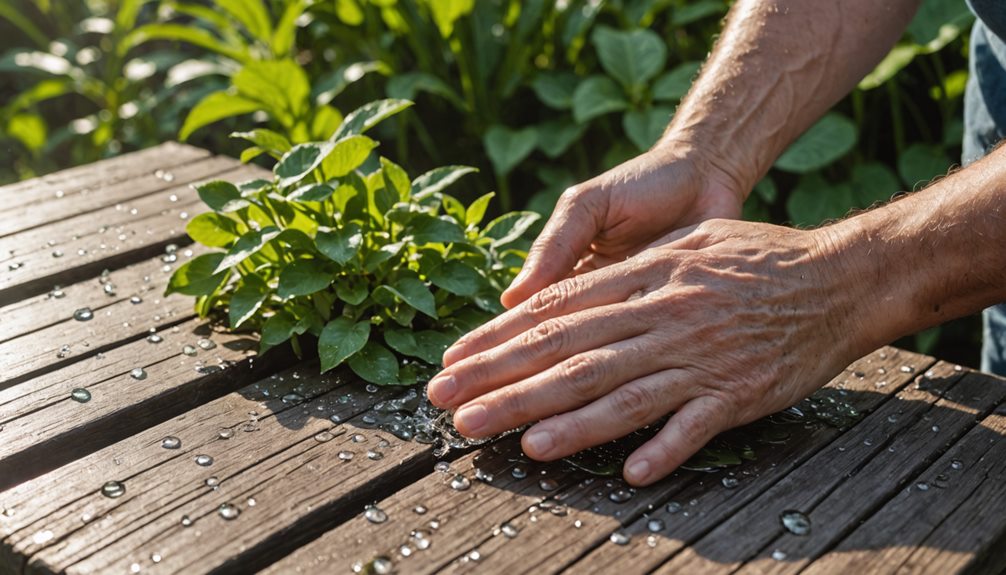
Scrubbing offers distinct advantages that make it a preferred choice for many cleaning tasks, especially when precision is required. When dealing with delicate surfaces or intricate details, scrubbing techniques allow you to apply the exact pressure needed without risking damage. This method is ideal for those who want to preserve the integrity of the material while achieving a thorough clean. You can control the level of abrasion, making it suitable for surfaces that may not withstand the force of pressure washing.
Effective tools are essential for ideal scrubbing results. Brushes with bristles of varying stiffness can cater to diverse surfaces, from gentle cleaning on painted wood to more vigorous scrubbing on concrete. Selecting the right brushes and sponges guarantees you can tackle dirt and grime efficiently, reaching crevices that larger equipment might miss. This approach not only enhances cleaning effectiveness but also extends the lifespan of the surfaces you’re maintaining.
For those who enjoy the satisfaction of a meticulous and hands-on approach, scrubbing empowers you to address specific problem areas with care and attention. It’s perfect for creating an environment that reflects your dedication to quality and service.
Disadvantages of Scrubbing
The labor-intensive nature of scrubbing is a significant drawback for large-scale or time-sensitive cleaning projects. While scrubbing techniques can deliver detailed results, they’re often impractical on a larger scale due to the time, energy, and resources required.
Here are some disadvantages to take into account:
- Time Consumption: Scrubbing requires significant time investment, especially on expansive surfaces. You might find yourself spending hours or even days completing a task that could be expedited with alternative methods.
- Physical Exertion: Scrubbing tools demand considerable physical effort. The repetitive motion can lead to fatigue or even injury, affecting your ability to serve others effectively.
- Inconsistent Results: Manual scrubbing can result in uneven cleaning as pressure and technique can vary. This inconsistency might not meet the high standards expected when caring for someone else’s property.
- Tool Limitations: While various scrubbing tools are available, each has its limitations. Brushes, sponges, and pads can wear out quickly or may not reach into crevices effectively, limiting their utility on more intricate surfaces.
Surface Material Considerations
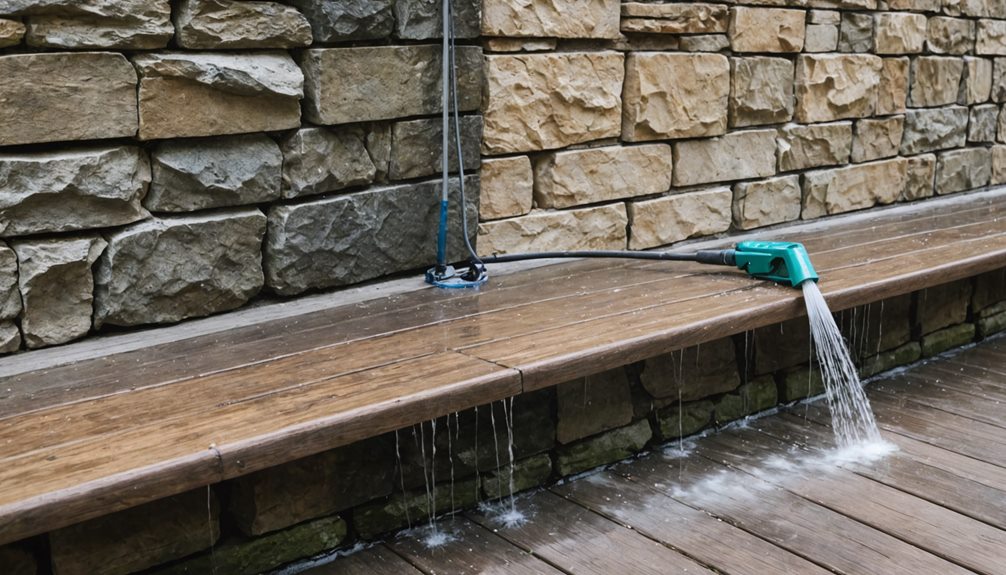
The composition of the surface material is pivotal when considering the ideal cleaning method. Wood surfaces demand a gentler approach due to their susceptibility to surface damage. Scrubbing with soft brushes and mild cleaning solutions can prevent gouging while effectively tackling dirt and mold removal.
Pressure washing might be suitable if set at low pressure but caution is essential to avoid damaging the wood fibers.
Concrete textures are more robust and can withstand high-pressure washing which is effective for deep-seated grime and mold removal. Still, verify the pressure setting is appropriate to prevent unwanted surface damage, especially if the concrete is aged or has cracks.
The equipment choice should reflect these needs, balancing power with precision.
Paint types also influence cleaning method decisions. Delicate finishes may peel under high pressure suggesting scrubbing as a safer option. Conversely, durable paints might handle pressure washing if the maintenance frequency is managed carefully to avoid repeated stress.
Always test cleaning solutions on a small area to ascertain compatibility and prevent adverse reactions. By considering these factors, you can provide effective and safe exterior cleaning tailored to your specific surface materials.
Environmental Impact Comparison
The environmental impact of cleaning methods is an important consideration for both residential and commercial applications. Balancing effectiveness with sustainability is vital when choosing between pressure washing and scrubbing. Here’s what you need to know:
- Water Conservation: Pressure washing typically uses more water compared to manual scrubbing. If conserving water is a priority, consider optimizing your pressure washer with adjustable nozzles and settings to reduce water usage.
- Chemical Usage: Scrubbing often requires more cleaning agents to achieve desired results which can introduce harmful chemicals into the environment. Opt for eco-friendly biodegradable products to mitigate this impact.
- Energy Consumption: Pressure washers especially those powered by electricity or gas consume energy and may contribute to greenhouse gas emissions. Evaluate the energy efficiency of your equipment and use it judiciously.
- Waste Management: Both methods can result in runoff containing pollutants. Implement proper waste management practices such as using barriers to control flow or treating runoff, minimizing environmental harm.
Cost Analysis
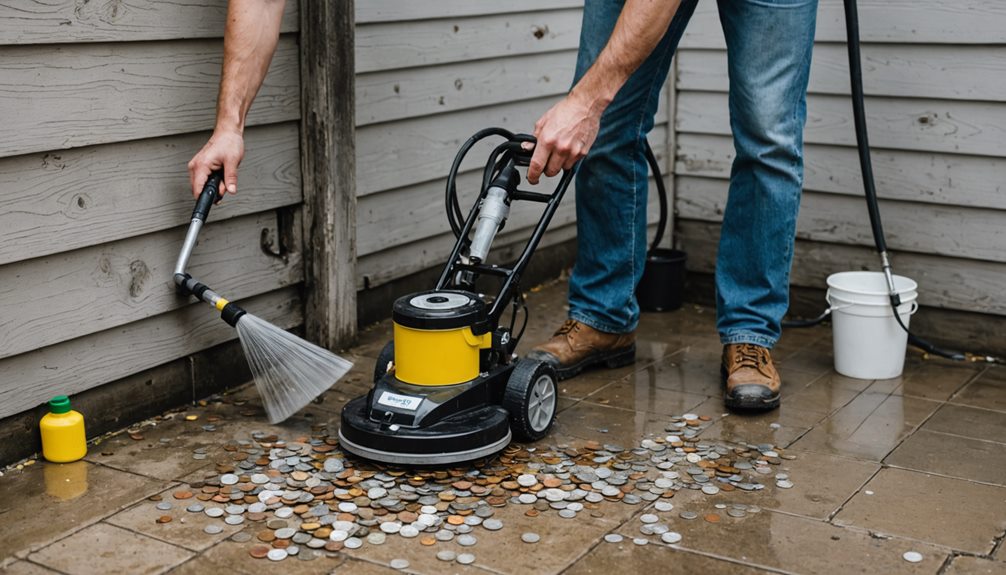
While environmental impact remains a key consideration, understanding the cost implications of pressure washing versus scrubbing is equally important. Cost factors play a vital role in determining the most efficient method for maintaining your property’s exterior.
Pressure washing typically involves an upfront equipment investment or rental fees, alongside potential utility costs for water and electricity. Conversely, scrubbing may require purchasing cleaning solutions, brushes, and protective gear contributing to cumulative expenses.
A pricing comparison reveals that pressure washing though initially costlier often proves more time-efficient reducing labor costs. This method’s high-pressure water stream efficiently handles large surface areas lessening the need for repeated applications.
On the other hand, scrubbing demands more manual effort and time potentially increasing labor expenses if hiring professional services. However, it offers a detailed clean ideal for intricate surfaces.
When serving others consider the long-term financial impact. Factor in the frequency of cleaning required, the durability of materials involved and any potential damage costs.
A thorough cost analysis will enable you to make a well-informed economically sound decision that balances immediate expenses with future maintenance needs ensuring both budgetary and aesthetic goals are met.
Choosing the Right Method
Decisiveness is essential when selecting the right method for exterior cleaning. Understanding the nuances between pressure washing and scrubbing can greatly impact your effectiveness. Consider these factors to guide your choice:
- Surface Material: Different materials demand specific cleaning techniques. For instance pressure washing is suitable for concrete or brick whereas scrubbing is gentler on wood or delicate surfaces.
- Level of Dirt and Grime: Assess the extent of buildup. Heavy grime may necessitate the power of pressure washing while lighter dirt can be tackled with scrubbing for a more controlled approach.
- Environmental Concerns: If you’re eco-conscious, scrubbing might be preferable due to its lower water consumption although pressure washing can be efficient if used judiciously.
- Time Available: Pressure washing is often quicker but scrubbing allows for detailed attention making it ideal when precision is paramount.
Your choice impacts both the longevity of exterior surfaces and the environment if you’re committed to serving others.
Conclusion
When deciding between pressure washing and scrubbing, it’s important to balance efficiency and care. Pressure washing excels on sturdy surfaces with heavy grime offering speed and power. In contrast, scrubbing provides gentle precision for delicate materials like wood preventing damage. Consider environmental impacts and costs—pressure washing uses more water while scrubbing demands more labor. Ultimately choose based on your exterior’s material and dirt level ensuring effective cleaning without compromising integrity. Make an informed choice for the best results.
If you’d like to dive deeper into these cleaning options and find the best solution for your needs, I encourage you to visit Hydra Clean of Hattiesburg MS at myhydraclean.com or give them a call at (601) 336-2411. They’re always ready to help with friendly advice and professional service.