
If you’re struggling with persistent pet odors in your home, the solution lies in addressing these issues at their source. Begin by pinpointing where the smells are emanating from, which could be your pet’s bedding, feeding areas, or even their fur. Establish a consistent cleaning routine that prioritizes pet-safe methods and products. Enzyme cleaners and regular steam cleaning can work wonders, but there’s more to consider. Have you thought about how the air quality in your home might play a role or what natural remedies could offer additional help? Let’s explore how to ensure your home smells fresh and inviting.
Identify the Odor Source
Pinpointing the source of your pet’s odor is crucial for effectively addressing the problem. Understanding where these smells originate helps you apply appropriate solutions.
Start by observing your pet’s daily routine as this can provide clues about potential odor sources. Common sources include their bedding, feeding areas, and even your pet’s fur or skin. It’s important to consider these areas first when trying to identify the cause.
Odor detection techniques can be incredibly helpful. For instance, use your sense of smell to identify any specific areas or objects that seem particularly pungent.
A more scientific approach involves using ultraviolet light to detect urine stains often hidden from plain sight that can significantly contribute to unpleasant odors.
Additionally, pay attention to your pet’s behavior as excessive scratching or licking might indicate skin problems causing odors.
Maintain a Regular Cleaning Routine
Understanding the source of pet odors is the first step towards implementing an effective cleaning routine. Once you’ve pinpointed the origins, establishing a regular cleaning schedule becomes crucial.
Pets, like humans, thrive in clean environments, and maintaining one benefits both their health and happiness. With a consistent routine, you’re not just masking odors but addressing them at their root. Focus on areas your pet frequents like bedding, carpets, and litter boxes where scents can linger and intensify.
Incorporate pet-safe products into your cleaning arsenal to ensure that while tackling stubborn odors, you’re also protecting your pet from harmful chemicals. Look for labels specifying non-toxic ingredients as pets can be sensitive to harsh substances.
Vacuuming and washing pet bedding weekly are essential tasks. Don’t overlook hard surfaces where fur and dander accumulate.
Set reminders to stick to your cleaning schedule. Consistency is key in preventing odors from becoming overwhelming. By investing time in a methodical routine, you’re not only creating a pleasant home environment but also demonstrating care for your pet’s wellbeing.
Use Enzyme Cleaners
Ever wondered why enzyme cleaners are so effective against pet odors? It’s because they tackle the problem at its root. Enzymes are naturally occurring proteins that accelerate chemical reactions. When applied as cleaners, these proteins break down organic materials causing the odor such as urine or feces which not only neutralizes the smell but also prevents it from returning.
Enzyme cleaners work by digesting the bacteria that cause unpleasant odors, transforming them into harmless substances like water and carbon dioxide. This means you’re not just masking the smell with fragrances but achieving true odor elimination.
For those who take pride in maintaining a welcoming environment, this scientific approach ensures your home remains a sanctuary for both your family and your furry friends.
When using enzyme cleaners, it’s essential to follow the instructions for optimal results. Typically, this involves applying the cleaner generously and allowing it to sit for a specified time, giving the enzymes enough opportunity to work their magic.
Vacuum and Steam Clean
Vacuuming and steam cleaning are indispensable tools in your cleaning arsenal when tackling pet odor problems.
Regular vacuuming is vital for effective carpet care as it removes hair, dander, and hidden particles that contribute to odors. Using a vacuum equipped with a HEPA filter guarantees that microscopic allergens are captured promoting a healthier environment for your family and pets.
In addition, don’t forget to vacuum upholstery as it often harbors pet-related debris leading to persistent smells.
Steam cleaning takes your efforts further by addressing deep-seated odors that vacuuming alone might miss. The high-temperature steam not only lifts dirt and stains but also neutralizes odor-causing bacteria nestled within carpet fibers and upholstery.
This method is gentle on your home’s surfaces using minimal chemicals while still achieving thorough sanitation.
Incorporating these practices into your routine not only refreshes your living space but also demonstrates care for those around you. By maintaining clean carpets and upholstery, you create an inviting odor-free environment benefiting everyone.
Clean Pet Bedding Regularly
A crucial step in managing pet odors is regularly washing your pet’s bedding as it often acts as a reservoir for unpleasant scents.
Bedding materials like cotton, fleece, or microfiber can trap odors from pet hair, dander, and even drool. To effectively minimize these smells, establish a routine washing frequency. Ideally, wash your pet’s bedding every one to two weeks but this can vary based on your pet’s habits and lifestyle.
Consider the type of bedding materials when choosing the washing method. Using hot water helps break down oils and odors but ensure it’s safe for the fabric.
A mild, pet-safe detergent is crucial to avoid irritating your furry friend’s skin. Adding a cup of white vinegar during the rinse cycle can further neutralize stubborn odors naturally.
Address Pet Grooming
Maintaining clean bedding is important in managing pet odor but addressing your pet’s grooming needs is equally significant. Proper grooming techniques not only enhance your pet’s appearance but also contribute to their overall health and comfort.
Regular grooming helps remove dirt, dead hair, and dander that can accumulate leading to unpleasant odors. Additionally, it offers you an opportunity to check for any skin issues or parasites causing additional problems.
Grooming frequency varies depending on your pet’s species, breed, and coat type. For instance, dogs with long hair may require weekly grooming sessions while short-haired breeds might only need monthly attention.
Cats benefit from regular brushing to minimize shedding and hairballs despite being self-groomers. It’s essential to tailor your approach to your pet’s unique needs ensuring you both enjoy the process.
Maintain Litter Box Hygiene
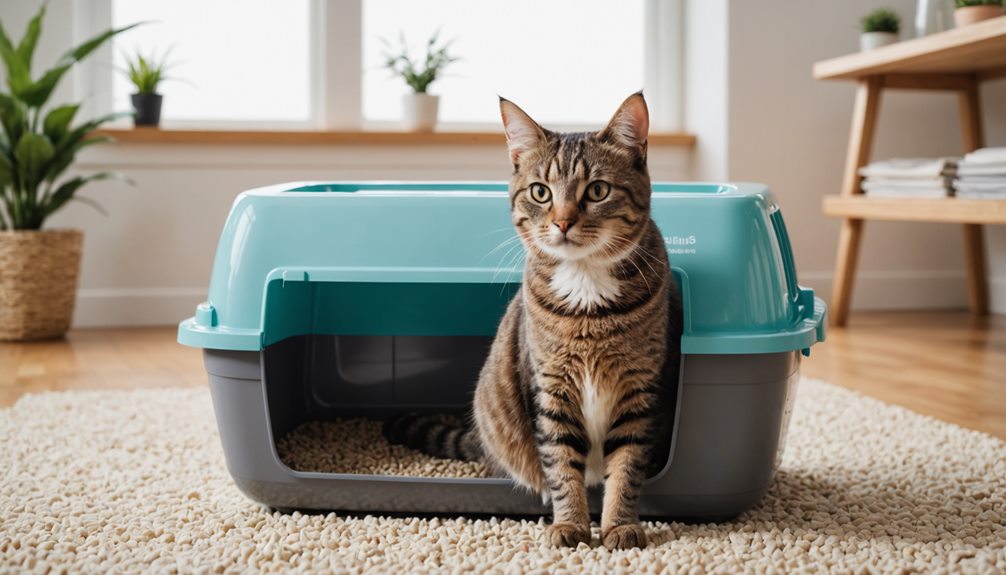
Maintaining a clean litter box is essential for reducing pet odors and plays an important role in both your pet’s health and your home environment. Regular cleaning not only minimizes unpleasant scents but also prevents harmful bacteria from affecting your furry friend.
To effectively manage odors, consider the type of litter box you use. Covered boxes can trap odors while open ones allow for better airflow. Self-cleaning boxes are another option offering convenience and consistent cleanliness.
Selecting the right litter is imperative. Opt for odor-absorbing varieties such as those with activated charcoal or baking soda to neutralize smells effectively.
Regardless of the type of litter box, consistency in cleaning is critical. Scoop out waste daily and fully replace the litter every week. This routine keeps your pet comfortable and your home fresh.
Ventilate Your Space
Proper ventilation is essential in managing pet odors effectively serving as a natural method to refresh your home’s air quality. By enhancing air circulation, you can significantly reduce the concentration of airborne particles contributing to unpleasant smells.
Start by opening windows and doors whenever possible to invite fresh air in. This simple action promotes a continuous exchange of stale indoor air with revitalizing outdoor air helping disperse odors and introduce fresh scents into your living spaces.
You might also consider strategic placement of fans to facilitate better airflow throughout your home. Ceiling fans or portable fans can be positioned to direct air from one room to another ensuring even those hard-to-reach areas benefit from improved air circulation.
This proactive approach not only targets odor but also supports a healthier indoor environment for everyone including your pets.
Use Natural Deodorizing Methods
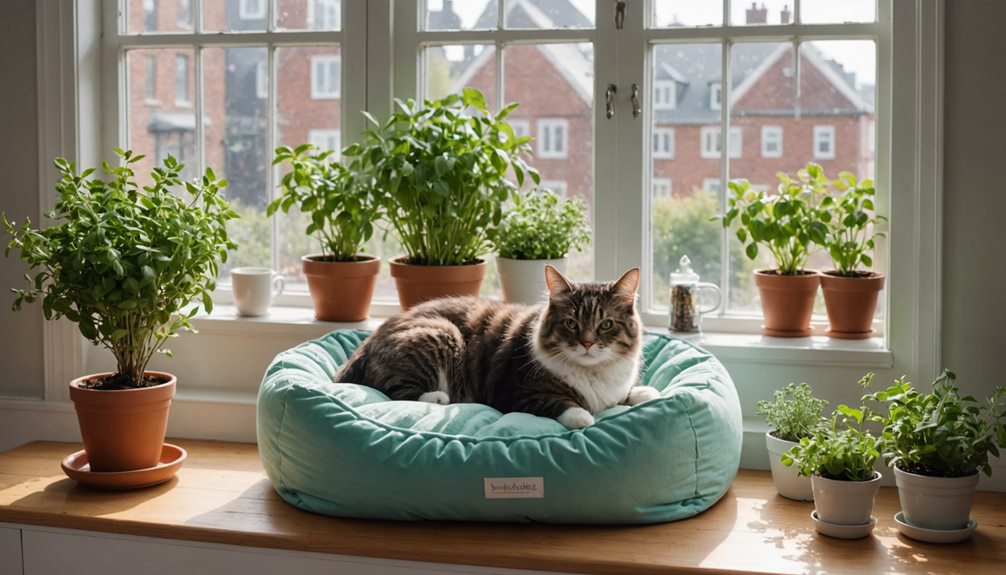
Tackling pet odors naturally can often be a more sustainable and health-conscious choice. By choosing natural deodorizing methods, you reduce exposure to harsh chemicals and protect your pet’s well-being.
Start with baking soda, an effective and non-toxic option. Sprinkle it generously on carpets, pet beds, and other fabrics then let it sit for at least 15 minutes before vacuuming. Baking soda’s alkaline nature neutralizes acidic odors leaving your space refreshed.
Essential oils offer another powerful natural solution. Lavender and lemon essential oils are particularly effective in combatting pet odors. Mix a few drops of your chosen essential oil with water in a spray bottle and lightly mist the air or surfaces creating a pleasant aroma while also possessing antibacterial properties.
However, ensure the oils are safe for pets as some can be harmful.
Consult a Professional
While natural deodorizing methods are effective there are times when pet odors persist despite your best efforts. In such cases consulting a professional can be beneficial.
Professionals possess specialized tools for odor detection that can identify and target sources of unpleasant smells that may elude the untrained eye. This expertise ensures a thorough approach addressing not only surface issues but also the underlying causes of persistent odors.
By engaging professional services, you benefit from their technical know-how and experience in handling a wide range of odor-related challenges. They can tailor solutions to your specific situation offering advice on preventative measures to avoid future odor problems.
Conclusion
Tackling pet odors is like playing detective where every clue leads to a fresher home. By identifying and addressing the source, maintaining a consistent cleaning routine, and using effective tools like enzyme cleaners, you’re not just masking scents—you’re solving the case. Embrace natural methods and improve ventilation to create an inviting environment. Remember, your efforts not only enhance your living space but also ensure a healthier, happier life for you and your pet.
If you’re looking for more tips on handling pet odor problems, we invite you to visit Hydra Clean of Hattiesburg, MS at [myhydraclean.com](http://myhydraclean.com) or give us a call at (601) 336-2411. We’d love to help you create a fresher more welcoming home for you and your furry friend. Feel free to reach out anytime!