
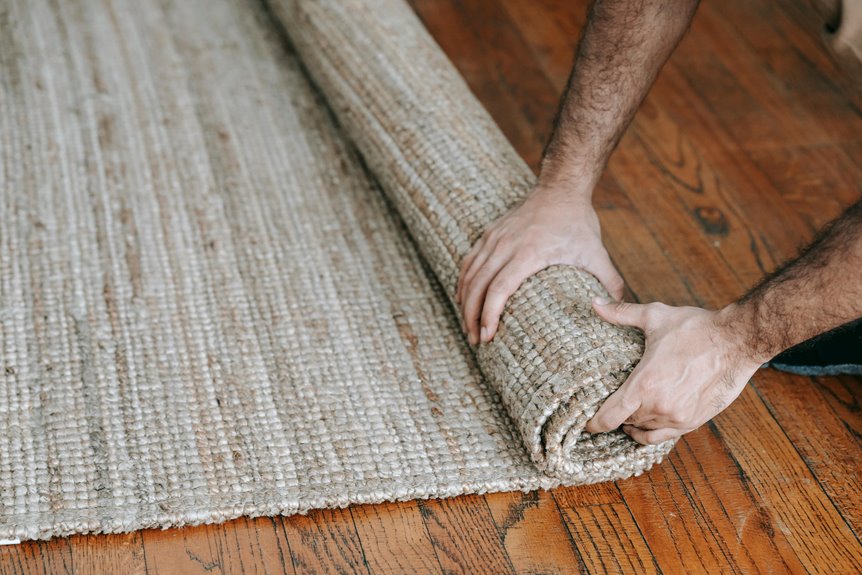
When it comes to giving your delicate carpets a little TLC, you'll want to tread lightly. First, it's vital to identify the specific material of your carpet, as different fibers require unique care techniques. By gathering the right supplies and knowing how to approach stains, you can maintain the integrity of your flooring while achieving a clean look. But what are the best practices to guarantee you don't inadvertently cause more harm than good? Let's explore the essential steps to protect your investment and keep your carpets looking their best.
Identify Your Carpet Material
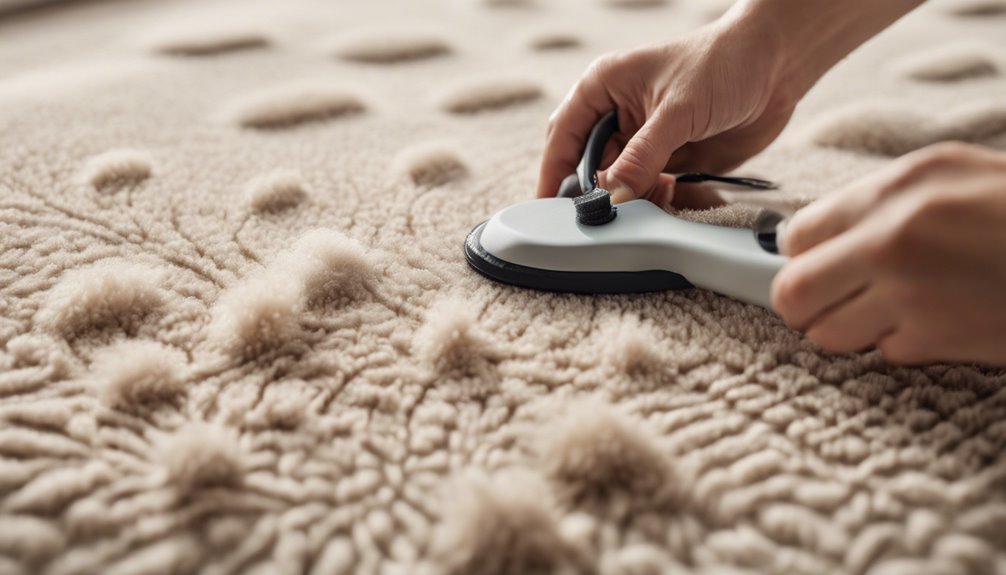
Identifying your carpet material is essential for effective cleaning and maintenance. Start by examining the fiber characteristics of your carpet. If it has a dull appearance and a natural, earthy smell when damp, it's likely wool. Wool carpets are typically found in cut pile and woven types. Wool is known for its natural durability, making it a long-lasting option.
Alternatively, if your carpet boasts vibrant prints, it's probably nylon, known for its excellent dye acceptance. For softer textures, check for cotton; it has a unique feel but may show wear unevenly. Specialty rugs made from silk will shine with a higher luster and softness than wool. Be cautious, though, as acrylic can mimic wool's appearance but lacks durability and the same smell when wet. To further verify the type, consider a burn test: wool and silk self-extinguish, while nylon melts. The water test is also helpful; olefin fibers float, while the others sink.
Understanding these carpet types and their inherent characteristics will guide you in selecting the right cleaning methods, ensuring you care for your carpets effectively and maintain their beauty for years to come.
Gather Necessary Cleaning Supplies
To guarantee your delicate carpets receive the best care possible, gathering the right cleaning supplies is essential.
Start with essential cleaning tools like a vacuum cleaner for removing loose dirt and debris, as well as a soft bristle brush to gently agitate without damaging fibers. A broom and dustpan can also help with surface dirt, while a carpet brush is crucial for maintaining the health of your carpet. Consider a rotating bristle vacuum attachment to clean edges and areas under furniture effectively. Regular maintenance of the Kirby Brush Roll ensures effective dirt loosening and captures dirt efficiently.
Next, prepare your cleaning solutions. You can create a homemade solution by mixing equal parts water and white vinegar, or use dish soap with warm water for a gentler approach. If needed, commercial carpet shampoos are available for deeper cleaning, ensuring compatibility with your carpet type. Baking soda can deodorize and absorb odors, while carbonated water effectively removes stains. For quick spot cleaning, specialized spot cleaners work wonders.
Don't forget absorbent materials like clean cloths and paper towels for blotting spills. A bucket and spray bottle will help mix and apply your solutions evenly, making your cleaning process efficient and effective.
Test Cleaning Solutions
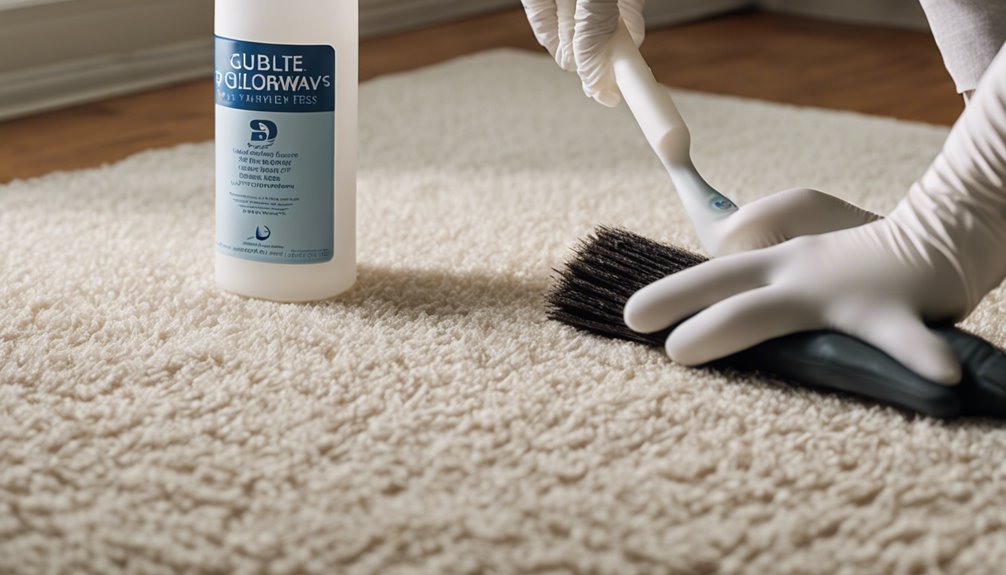
Before you plunge into cleaning your delicate carpets, it's crucial to test your cleaning solutions to avoid any potential damage. Start by selecting products specifically designed for carpet cleaning, confirming they're non-toxic and safe for your carpet's fibers.
Opt for solutions like hydrogen peroxide or oxygen-based bleaches, but steer clear of general-purpose cleaners that may not effectively penetrate the fibers.
To perform a patch test, apply a small amount of your chosen solution to an inconspicuous area of the carpet. Wait at least 24 hours for the spot to dry completely, and then examine the area for any color changes or damage.
Pay attention to residue concerns; you want to verify the product doesn't leave behind any harmful residues that could affect the carpet's longevity or appearance.
Always read and follow the manufacturer's instructions carefully, especially regarding the compatibility of the cleaning product with your carpet's material.
Vacuuming Techniques for Delicates
When it comes to caring for delicate carpets, mastering the right vacuuming techniques is essential to maintain their beauty and integrity.
Start by selecting a vacuum designed for delicate materials—one with adjustable suction and no aggressive brush rolls. This helps prevent damage to the fibers while ensuring effective cleaning.
Here are some key techniques to take into account:
- Adjust your vacuum settings: Use gentle suction for natural fibers and set the brush height appropriately to minimize harm.
- Employ effective cleaning patterns: Try crisscross and overlapping strokes to capture dirt without skipping spots. Vacuum diagonally across the room, then repeat in the opposite direction for thoroughness.
- Pay attention to high-traffic areas: Increase vacuum frequency here to combat wear and tear.
Spot Cleaning Stains

Spot cleaning stains on delicate carpets requires prompt action to prevent permanent damage. Start by removing any solid debris right away to stop the stain from setting. Clear the area of small furniture for unobstructed access, and vacuum the stained section to eliminate loose dirt.
Always conduct a spot test with your chosen cleaning solution on a concealed area to verify it won't cause discoloration.
When selecting a cleaning solution, opt for mild, safe products specifically designed for your carpet's fiber type, such as wool or silk. Natural agents like dish soap mixed with water or white vinegar can be effective. For protein-based stains, use cold water and enzymatic cleaners to avoid hardening the stain.
To apply the cleaning solution, blot the stain with a clean cloth, working from the outer edges toward the center to prevent spreading. Avoid rubbing, as this can push the stain deeper.
After cleaning, rinse the area with cold water, blot dry, and place paper towels over the wet spot, weighing them down overnight. Allow the carpet to air-dry completely, and fluff the fibers once dry to restore texture.
Regular cleaning frequency can help maintain your carpet's beauty.
Deep Cleaning Methods
Deep cleaning delicate carpet materials requires careful techniques to preserve their integrity while effectively removing dirt and stains. Here are some recommended methods to guarantee your cleaning efforts are both effective and safe for your carpet fibers:
- Hand-Washing and Gentle Scrubbing: Use a mild cleaner made for carpets, mixing it with warm water. Apply with a cloth or your hands, gently rubbing it into the carpet fibers, and blot with a dry towel afterward.
- Dry Cleaning Methods: Sprinkle a light layer of dry powder or dry shampoo over your carpet. Work it in with a special tool, let it sit for ten minutes, and then vacuum it up. This's ideal for surface dirt and minor stains.
- Steam Cleaning with Caution: If you opt for steam cleaning, proceed carefully. Use high-pressure steam to dislodge dirt deep within the carpet fibers, guaranteeing you follow the machine's directions closely.
Drying Your Carpet Safely

To guarantee your delicate carpet materials dry safely and effectively, it's essential to take prompt action after cleaning. First, utilize moisture removal methods like a wet vacuum to extract excess water. Regular vacuums can be damaged by water, so if you lack a wet vacuum, consider using a carpet shampooer without water. Remember to empty the wet tank before and after each use to guarantee peak performance.
Next, increase airflow around your carpet. Open windows and doors to reduce humidity, and use fans to direct air across the wet surface. If needed, rent large industrial fans to expedite the drying process. Position them so that air flows directly onto the carpet, keeping them running until it's completely dry.
Additionally, monitor your environment. Use dehumidifiers to further remove humidity from the air, and consider space heaters to warm the surroundings—just avoid placing them near overly saturated areas.
Finally, limit foot traffic on the carpet to prevent pushing moisture deeper into the fibers. Following these carpet drying techniques will help you maintain the integrity of your delicate carpet materials.
Preventing Future Damage
After ensuring your delicate carpet materials are thoroughly dried, it's time to focus on preventing future damage. Taking proactive steps will help maintain the beauty and integrity of your carpet for years to come.
Here are some essential practices you should adopt:
- Use furniture pads: Place pads under heavy furniture to distribute weight evenly, preventing indentations or tears in the carpet.
- Implement a no-shoes policy: Encourage family and guests to remove their shoes before stepping onto the carpet. This will greatly reduce dirt and grit.
- Apply carpet protectants: Consider using carpet protectors to repel stains and provide a buffer against spills, giving you extra time to clean before stains set.
Additionally, regularly vacuuming high-traffic areas and promptly addressing spills can greatly enhance your carpet's lifespan.
Testing any cleaning products in a small, inconspicuous area is vital, too, to avoid unwanted discoloration.
Professional Cleaning Options
Considering the unique needs of delicate carpet materials, professional cleaning options can be invaluable for maintaining their appearance and longevity.
One effective method is steam cleaning, also known as hot water extraction. This process involves using high-pressure hot water to penetrate the carpet fibers, breaking down dirt and bacteria deep within. After applying a suitable cleaning agent, a vacuum extracts the water, leaving your carpet refreshed. Although it may take about an hour for an average home, the results are worth it, especially for deep cleaning and allergen removal.
Another option is encapsulation cleaning. This technique utilizes synthetic foam detergents that crystallize into a powder, encapsulating soil and allowing it to be easily vacuumed away. It's efficient, leaves no residue, and dries quickly, making it a great choice for delicate carpets.
Professional services often begin with a pre-inspection and dry vacuuming, followed by spot treatment for tough stains. They can apply protectors and deodorizers post-cleaning, ensuring your carpets not only look good but smell fresh too.
Maintenance Tips for Longevity
Maintaining the beauty and integrity of delicate carpets requires consistent effort and attention to detail. To guarantee your carpets remain in excellent condition, follow a structured maintenance schedule that emphasizes carpet protection and care.
- Vacuum regularly: Focus on high-traffic areas at least twice a week, using a vacuum with adjustable height settings and a soft brush. This prevents dirt from embedding deep in the fibers.
- Protect against damage: Utilize rug and furniture pads to cushion and prevent slippage or indentations. Periodically rearranging furniture can distribute weight and allow fibers to recover.
- Address spills promptly: Immediate action is essential. Blot spills with a clean cloth instead of rubbing, and use a mild carpet cleaner suitable for the stain type.
Conclusion
If you're looking for expert advice and services to care for your delicate carpets, I invite you to visit Hydra Clean of Hattiesburg MS at myhydraclean.com. You can also give them a call at (601) 336-2411 for personalized assistance. Their team is dedicated to helping you maintain the beauty and integrity of your carpets, ensuring they stay vibrant and inviting for years to come. Don't hesitate to reach out and discover how they can help you create a soft haven beneath your feet!