
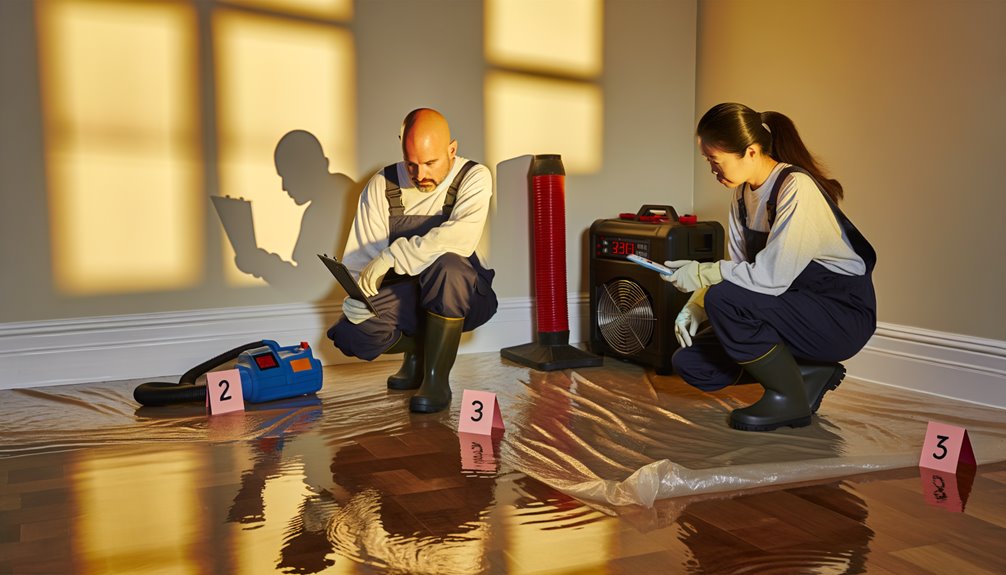
Water creeps under baseboards, saturates insulation, and quietly shifts indoor air. You need IICRC-certified technicians because they follow ANSI/IICRC S500/S520 standards, verify moisture with calibrated meters and psychrometrics, and apply controlled extraction, drying, containment, and PPE. Their training, exams, and continuing education reduce health risks, limit secondary damage, and support insurance documentation. If you want a safe, defensible cleanup that protects occupants and structure, here’s what separates certified pros from everyone else.
What IICRC Certification Means and Why It’s Credible
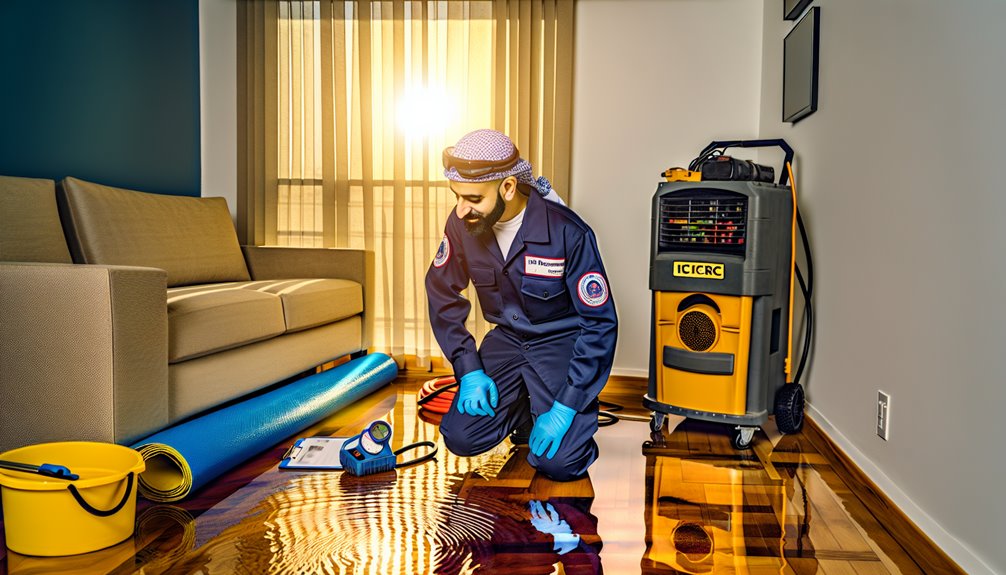
Because water losses escalate fast, IICRC certification signals that the technician at your door follows rigorously defined, peer-reviewed standards like ANSI/IICRC S500 for water damage restoration. You can trust the process because it’s rooted in Industry standards, health safeguards, and documented procedures that reduce risk and liability. Certification means structured training, proctored exams, and continuing education that keep methods current with science and codes. You also gain Credential verification: you can confirm active status, categories, and specialties. This accountability guarantees ethical conduct, proper containment, PPE use, and compliant disposal—so you protect occupants, preserve property, and serve your community with confidence.
How Certified Pros Assess Damage and Moisture Accurately
Before any drying equipment powers on, certified technicians establish the loss category and class, map wet materials, and quantify moisture using calibrated instruments per ANSI/IICRC S500. You’ll see a structured approach: pre-inspection safety checks, source control, and containment decisions. Pros perform moisture mapping across surfaces, assemblies, and cavities, using reference and affected readings to determine migration. They verify hygrometer calibration and meter accuracy, then document ambient conditions, material baselines, and affected percentages. Infrared aids targeting but never substitutes for direct meter verification. You receive clear scopes, drying goals, and justification for removals versus salvage. Accurate assessment protects occupants, preserves structures, and guides ethical service.
Advanced Extraction, Drying, and Monitoring Tools They Use
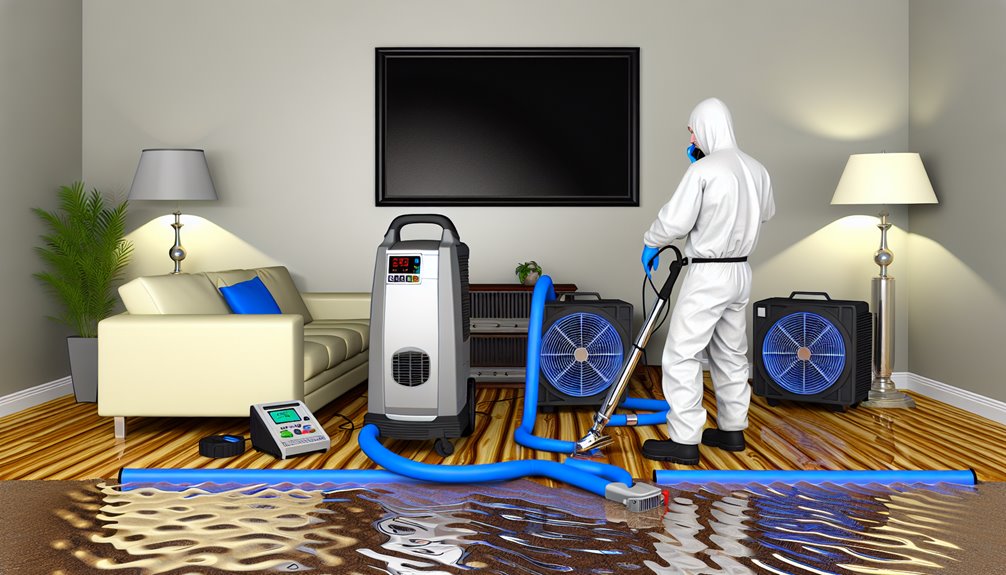
While assessment sets the targets, certified technicians achieve them with purpose-built extraction, drying, and monitoring systems selected per ANSI/IICRC S500. You deploy high capacity extractors for rapid bulk water removal, minimizing wicking and secondary damage. Then you configure centrifugal and axial air movers to create calculated airflow, paired with LGR or desiccant dehumidifiers sized by grain depression and class of loss. You stabilize drying chambers, protect materials, and document psychrometric data. Wireless moisture sensors and thermo-hygrometers provide continuous readings, guiding adjustments. Infrared imaging verifies progress without destructive inspection. You log every decision, ensuring traceable, standards-driven outcomes that serve occupants well.
Health and Safety Protocols That Prevent Mold and Contamination
Even under pressure to act fast, you prioritize health and contamination control from the first walkthrough, implementing ANSI/IICRC S500 and S520 protocols to stop mold amplification and protect occupants and workers. You establish work zones, negative pressure, and HEPA filtration to capture airborne spores. You verify Category and Class, isolate porous materials, and remove unsalvageable items under containment. You enforce PPE protocols—respirators, gloves, eye protection, and disposable suits—supported by fit-testing and donning/doffing procedures. You control moisture, set dehumidification targets, and perform antimicrobial applications as specified. You monitor air changes per hour, document clearance criteria, and conduct post-remediation verification.
Documentation and Insurance Support That Streamlines Claims
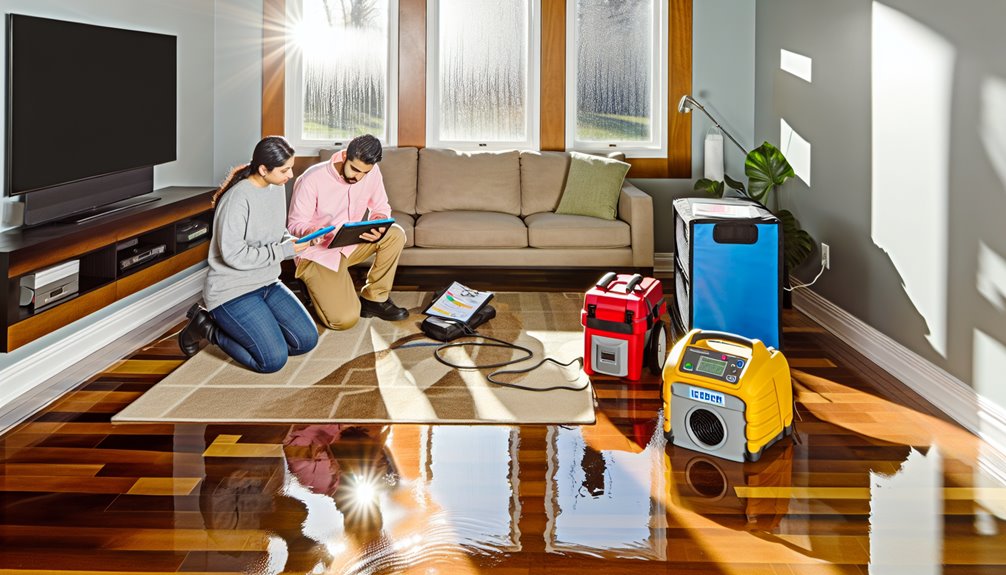
With controls in place and remediation underway per ANSI/IICRC S500 and S520, you also need documentation that stands up to adjuster review and accelerates payment. Certified technicians gather chain‑of‑custody photos, moisture maps, psychrometric logs, and daily progress notes with documentation clarity. They record categories and classes of water, materials affected, and drying goals, aligning scope with policy compliance. You receive timestamped readings, equipment inventories, and signed work authorizations that match estimate line items. Technicians communicate with your carrier, justify procedures with standard references, and upload reports promptly. The result: fewer disputes, faster approvals, and transparent costs that support client advocacy.
Long-Term Protection: Preventing Recurring Damage and Hidden Issues
Because water intrusions can seed latent failures, IICRC‑certified technicians design long‑term protection into the remediation plan and the post‑drying verification. They monitor moisture to equilibrium, validate with calibrated meters, and document dry‑standard attainment. You get targeted Structural inspections to confirm load paths, fasteners, and subfloors remain sound. Technicians identify vapor drive risks, specify venting, and seal penetrations.
They apply Preventive coatings where appropriate—antimicrobial, vapor‑retarder, or corrosion‑inhibiting—aligned with material tolerances and standards. You receive guidance on HVAC filtration, humidity control, and drainage corrections to avert recurrence. Post‑service audits, thermal imaging, and scheduled rechecks guarantee hidden issues don’t resurface and occupant health stays protected.
Conclusion
At Hydra Clean in Hattiesburg, MS, we understand how overwhelming water damage can be, and we’re here to help you navigate through the storm. Our IICRC-certified technicians are dedicated to providing safe and effective cleanup, ensuring your home or business is protected every step of the way. If you have any questions or would like to learn more about our services, please don’t hesitate to visit myhydraclean.com or give us a call at (601) 336-2411. We’re here for you, ready to assist you in getting back on track!