

Have you ever considered the Herculean task of maintaining the shine and integrity of floors in high-traffic commercial spaces? It’s not just about sweeping and mopping. It involves selecting the right materials, strategizing on maintenance practices, addressing damages in a timely and efficient manner, and keeping abreast with the latest floor care technologies.
But how do you navigate this labyrinth of commercial floor care? Stay tuned to uncover how to keep your commercial floors not only clean but also durable and aesthetically pleasing.
Understanding High-Traffic Commercial Spaces

What factors should you consider when dealing with high-traffic commercial spaces?
Firstly, understanding how these spaces function is essential. This involves conducting a detailed traffic flow analysis to comprehend where people frequently move, gather, and spend time. This analysis will provide invaluable insight into which areas are subjected to the heaviest foot traffic.
Once you’ve mapped out these high-traffic zones, effective spatial planning strategies need to be employed. It’s not just about placing furniture and fixtures in a visually appealing manner. You must strategically arrange elements to direct traffic flow, minimize congestion, and maximize space utilization. This could involve creating clear walkways, defining specific zones or even relocating certain facilities or services.
Bear in mind that high-traffic areas are more prone to wear and tear; thus they require more frequent and intensive maintenance. Hence it’s crucial to factor in maintenance needs and costs when planning these spaces.
Lastly, consider the nature of your business and the needs of your clientele. The layout and flow of a retail store might be vastly different from a restaurant or office space. Understanding these nuances will help ensure your spatial planning strategies are effective and on point.
Selecting Appropriate Flooring Materials
Choosing the right flooring material is a critical decision that significantly impacts the longevity, maintenance, and aesthetic appeal of your commercial space. To ensure you’re making an informed choice, consider these crucial elements: Material Durability and Cost Analysis.
When assessing material durability, it’s important to examine:
- Long-term wear and tear: The flooring should withstand high traffic and frequent cleanings.
- Resistance to stains and spills: This is especially significant in areas where food or chemicals are present.
- Ability to endure weight: If heavy machinery or equipment will be used, robust materials are essential.
- Maintenance requirements: Ideally, your flooring should require minimal upkeep to maintain its condition and appearance.
A complete cost analysis shouldn’t just consider the initial outlay. Factor in maintenance costs, expected lifespan, and possible replacement expenses. High-quality durable materials might have a higher upfront cost but could save you money in the long run due to their longevity and lower maintenance needs.
Essential Routine Maintenance Practices

Once you’ve selected a durable and cost-effective flooring material, it’s time to establish routine maintenance practices to keep your commercial floors in top-notch condition. Preventive measures and well-planned cleaning schedules are pivotal to maintaining the aesthetics and longevity of your flooring.
Regular sweeping and dusting can prevent the accumulation of dirt and debris, which can scratch and dull your floors over time. Your cleaning schedule should be tailored to the traffic levels your floors experience. High-traffic areas may need daily cleaning, while less busy spaces might require less frequent attention.
Using the right cleaning products is equally important. Some chemicals may be too harsh and can damage your floor’s surface. It’s advisable to use products recommended by the flooring manufacturer or a trusted professional.
Preventive measures should also include the use of mats at entrances and high-traffic areas. These mats can trap dirt and moisture, preventing them from reaching the floor. Regularly inspect your floors for signs of wear or damage, allowing for timely interventions.
Addressing Common Floor Damage Issues
Despite your best efforts, there’s a good chance you’ll encounter common floor damage issues such as scratches, stains or cracks that require timely attention and specific techniques to rectify. Understanding damage prevention strategies and mastering repair techniques can save considerable time and resources.
Here’s a breakdown of four key steps in addressing common floor damage:
- Identify the Problem: First, examine the floor carefully. Identify the type of damage along with its severity which will guide you in choosing an appropriate repair technique.
- Select Suitable Tools: Specific tools are required for different types of damages. For instance, a floor buffer can minimize scratches, while a stain remover can address unsightly spots.
- Apply Repair Techniques: Once the problem and tools are sorted, apply the necessary repair techniques. Remember, the method used for fixing a crack will differ from that used for a stain.
- Prevent Future Damage: After repair, implement damage prevention strategies. Regular maintenance, using high-quality floor mats and educating staff on proper care can prevent further issues.
With these steps, you can ensure your high-traffic areas remain appealing and functional. Your commitment to proactive floor care will undoubtedly pay off in the long run.
Innovative Floor Care Technologies
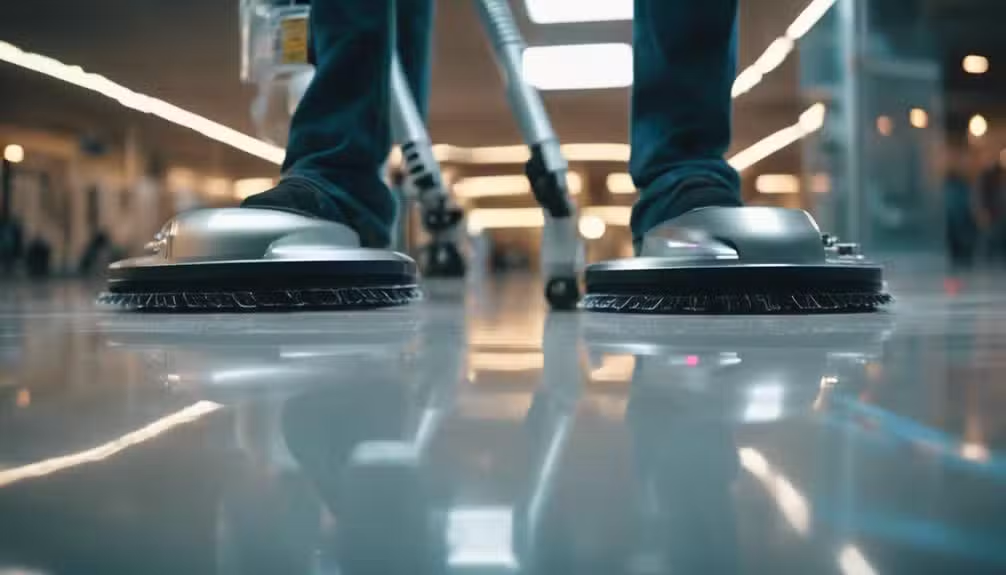
In the rapidly evolving world of floor care, innovative technologies are transforming how you maintain and protect your commercial floors. Smart mopping innovations and robotic cleaning advancements are now at the forefront offering efficient and effective solutions for high-traffic areas.
Smart mopping innovations have taken traditional mop-and-bucket methods to new levels. These systems use intelligent sensors to detect dirt, grime and spills adjusting the cleaning process accordingly. They’re not just efficient; they’re smart reducing water and detergent usage while still ensuring your floors are spotless.
Let’s talk about robotic cleaning advancements. These aren’t your everyday vacuums. Robotic cleaners utilize advanced algorithms to map out your commercial space systematically cleaning each area without missing a spot. They’re tireless, working round the clock if necessary freeing up your staff for other tasks. Many models are even equipped with HEPA filters capturing minute particles and improving indoor air quality.
These innovative technologies aren’t just about keeping your floors clean. They’re about enhancing productivity, increasing efficiency and creating a healthier safer environment for everyone who walks through your doors. It’s a new era in floor care, and you’re leading the way.
Conclusion
Navigating commercial floor care in high-traffic areas isn’t a walk in the park. It involves understanding these spaces, selecting the right materials diligently maintaining them and tackling any damage swiftly. With innovative technologies at your disposal, you’re not alone in this journey.
Remember, a well-maintained floor is more than just a surface—it’s the foundation of your business’s professionalism and reflects your attention to detail. Keep it shining and your business will glow too.
For more information and assistance visit Hydra Clean of Hattiesburg MS online at myhydraclean.com. We have a wealth of knowledge and expertise to share with you about maintaining commercial floors in high-traffic areas. You can also give us a call at (601) 336-2411; we’d be delighted to provide more personalized guidance.
Remember, a clean well-maintained floor is just a call away!