
You’ve invested in a beautiful carpet that perfectly complements your room, but have you considered how to protect it from the unseen enemy – mold? It’s not just about keeping your carpet clean; it’s about preventing mold growth that can ruin your investment and potentially harm your health. Understanding the ideal carpet care practices, from selecting the right material to regular cleaning and effective drying methods, is crucial. So, what’s the best way to ensure your carpet remains mold-free? Let’s delve into this further.
Understanding Mold Growth
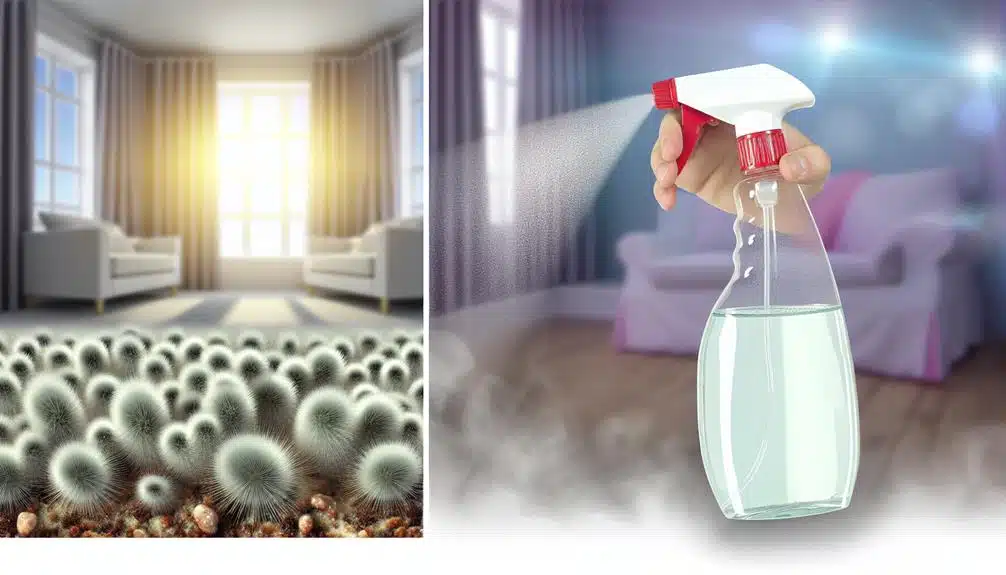
Mold, a silent destroyer, can rapidly transform your plush carpet into a breeding ground for fungus. This unwelcome guest thrives in dark, damp conditions, making your carpet an ideal home if moisture control isn’t managed properly. Understanding how mold growth occurs and how to prevent it is essential for both your carpet’s longevity and your health.
Mold prevention begins with recognizing the signs. You might notice a musty smell or discoloration on your carpet. Don’t ignore these signs! The sooner you act upon them, the better chance you have of saving your precious investment.
Proper ventilation plays a key role in preventing mold growth. Ensure that rooms are well-aerated and use fans or dehumidifiers if necessary.
Moisture control is equally important in preventing mold formation. Avoid letting spills sit on your carpet for too long; act quickly to clean up and thoroughly dry any wet areas. Regularly check for leaks or condensation in your home as well – addressing these issues promptly will help keep your carpet dry and mold-free.
Mold on your carpet isn’t just unsightly; it’s unhealthy. By understanding mold growth and implementing effective moisture control and mold prevention strategies, you’ll protect both your carpet and your wellbeing. Remember, you’re not alone in this fight – we’re in this together.
Importance of Carpet Material
Choosing the right carpet material plays a crucial role in preventing mold growth. This isn’t just about aesthetics or comfort; it’s a key factor in maintaining a healthy home environment. Your decision can significantly impact the overall durability and cleanliness of your carpeting.
Selecting appropriate materials involves several critical considerations. For instance, synthetic fibers like nylon and polyester are more resistant to mold than organic materials like wool because they’re non-porous, meaning they don’t absorb moisture easily, reducing the chances of mold growth.
Material considerations also extend to the carpet padding. Opt for rubber slab padding instead of traditional felt padding as it’s less prone to harboring mold.
Regular Vacuuming Practices

In addition to selecting the right carpet material, regular vacuuming is an essential part of your mold prevention strategy. Proper maintenance is key in keeping your carpet clean and free from potential mold growth.
Understanding vacuum frequency is also critical. It’s not enough to only vacuum when you start noticing dirt on your carpets; instead, make it a habit to vacuum regularly – at least once a week. High-traffic areas might require more attention, perhaps even daily vacuuming.
Remember, every time you vacuum, you’re not only cleaning your carpet but also reducing the chances of mold growth. Dirt and dust can trap moisture, creating an ideal environment for mold. Regular vacuuming prevents this scenario, keeping your carpet dry and clean.
You’re not just a homeowner or a tenant; you’re a guardian of your living space. Embrace the responsibility that comes with this role. By adopting regular vacuuming practices, you’re ensuring a healthy environment for both you and your loved ones. It’s all part of belonging to a community that values cleanliness, health, and wellness.
Deep Cleaning Techniques
Beyond regular vacuuming, implementing a deep cleaning routine is also vital in preventing mold growth on your carpets. This step greatly aids in mold prevention when done correctly, providing peace of mind and contributing to a healthier home environment.
Deep cleaning isn’t merely about surface cleaning; it involves delving deep into the fibers to remove dirt and moisture pockets that can become breeding grounds for mold.
Start by choosing a reliable cleaning solution. Ensure it’s non-toxic (especially if you have pets or children) and designed to combat mold specifically. A variety of commercial cleaning solutions are available; alternatively, you can create one at home using vinegar and water – vinegar is an excellent deterrent against mold.
Next up is considering investing in a steam cleaner. This equipment uses hot water extraction to penetrate carpet fibers deeply, breaking up dirt particles and killing off any lurking mold spores – an investment that pays off in the long run!
Remember to deep clean at least once annually but more frequently if your carpet sees high traffic or if you live in humid conditions. Don’t overlook this crucial aspect of carpet care – it’s key to maintaining a mold-free home.
Carpet Drying Methods

After a thorough deep cleaning, ensuring your carpet dries completely is just as important for mold prevention. Dampness can become a breeding ground for mold, even if it’s not immediately visible. Therefore, let’s focus on effective carpet drying methods.
Firstly, utilize air circulation. Opening doors and windows facilitates ideal airflow, speeding up the drying process. If weather conditions don’t permit this, consider using fans or an HVAC system to maintain air movement and help evaporate any residual moisture.
Secondly, consider moisture extraction. While vacuuming can remove surface water, specialized carpet drying machines are more efficient at extracting deeper moisture pockets. These machines use hot air to thoroughly dry carpets, eliminating any leftover dampness that could encourage mold growth.
Dealing With Carpet Spills
Ever spilled a drink on your carpet and panicked about what to do next? We’ve all been there – but it’s not the end of the world! The secret to successful stain removal lies in prompt action.
First off – blot; don’t rub! Rubbing can push the liquid deeper into your carpet fibers while blotting applies just enough pressure to soak it up effectively. Use a fresh cloth or paper towels for this task.
Next up is mixing together a simple cleaning solution – one cup of warm water with a teaspoon each of dish soap and white vinegar usually does the trick! Apply this solution to the stain, let it sit for about 10 minutes, then blot up the solution with a dry cloth. Remember, the goal here is quick drying to prevent mold growth.
Lastly, rinse the cleaned area with warm water and blot dry. It’s important to remove any cleaning solution residue as this can attract more dirt and cause staining. Repeat the process until the stain disappears completely.
By following these steps, you’re part of a community that knows how to handle carpet spills like a professional!
Role of Carpet Padding

Carpet padding plays a vital role in maintaining your carpet’s appearance and longevity. It’s not just about providing underfoot comfort; it also serves as your primary line of defense against daily wear and tear from foot traffic. More importantly, it provides essential protection against moisture – a key factor in preventing mold growth.
Think of padding as a shield – it absorbs impact from foot traffic, preventing carpet fibers from crushing prematurely. This ensures your carpet stays plush and inviting for years to come.
But that’s not all! Carpet padding is also your secret weapon against moisture absorption. It’s designed to resist absorbing spills; instead, it helps repel moisture giving you ample time to clean up before it seeps into the carpet fibers. This crucial feature helps keep your carpet free from mold and mildew.
Using Dehumidifiers Effectively
In the battle against mold growth, employing a dehumidifier can be game-changing! This device greatly assists in moisture control and is an essential tool for maintaining optimal humidity levels in your home. When used effectively, it can create an environment that’s inhospitable to mold, which thrives in damp conditions.
Position your dehumidifier in areas where humidity tends to be high or where you’ve previously encountered mold – this could be your basement, laundry room, or areas with poor ventilation. Remember that carpets can act as magnets for moisture, so it’s important to focus on these areas as well.
The dehumidifier works by extracting excess moisture from the air, reducing humidity levels. Different dehumidifiers have different capacities; choose one that suits your space and needs best. Aim for a relative humidity level of around 50% – this is generally uncomfortable for mold spores.
Regularly check and empty the dehumidifier’s collection reservoir to ensure it continues functioning at its best. By using a dehumidifier properly, you’re taking a significant step towards protecting your carpets and home from the damaging effects of mold.
Benefits of Professional Cleaning

While using a dehumidifier effectively can help keep mold at bay, another method shouldn’t be overlooked – professional carpet cleaning. You might be tempted to rely solely on DIY methods; however, investing in professional cleaning brings benefits you may not have considered.
Firstly, professionals possess the knowledge and tools necessary to deep clean your carpets more effectively than you could on your own. This deep cleaning reaches mold spores lurking deep within your carpet fibers, preventing potential growth. You’ll appreciate the peace of mind knowing your home is clean, safe, and healthy for you and your loved ones.
Moreover, consider the cost comparison. While DIY methods might seem cheaper initially, they could end up costing more in the long run. Inefficient cleaning methods might leave mold undetected, leading to costly repairs and health issues down the line.
Plus, professional cleaning can help extend the life of your carpets – providing excellent value for your investment. So remember that professional cleaning plays an essential role when you’re committed to maintaining a mold-free environment.
Preventive Measures Against Mold
Taking proactive steps before mold has a chance to grow is your best defense against its potential health hazards and costly removal. One of the most effective preventive measures is moisture control – keep your carpet dry to keep mold at bay! If there’s a spill, tackle it immediately; use a wet-dry vacuum to suck up as much water as possible then use fans and dehumidifiers to speed up drying.
It’s equally important to implement ventilation strategies – ensure good airflow in your home by opening windows using exhaust fans or investing in an air purifier with a HEPA filter. These steps help reduce humidity levels creating an environment where mold can’t thrive.
Additionally, consider using mold-resistant carpet padding and materials; they may cost more upfront but are smart investments in the long run.
Regular vacuuming and professional carpet cleaning also play essential roles in preventing mold growth on carpets.
Conclusion
Maintaining your carpet isn’t just about aesthetics; it’s about ensuring a healthy home environment too! Regularly vacuuming deep cleaning annually ensuring proper drying choosing mold-resistant materials and padding considering using a dehumidifier and not shying away from professional cleaning services are all best practices to prevent mold growth. By implementing these, you’re not just preventing mold growth; you’re creating a healthier cleaner home environment.
If you’re interested in learning more about the best practices for carpet care or need professional assistance, I invite you to visit Hydra Clean of Hattiesburg, MS at myhydraclean.com. Feel free to call us at (601) 336-2411. We’re here to help and would love to be a part of making your home a healthier place!