

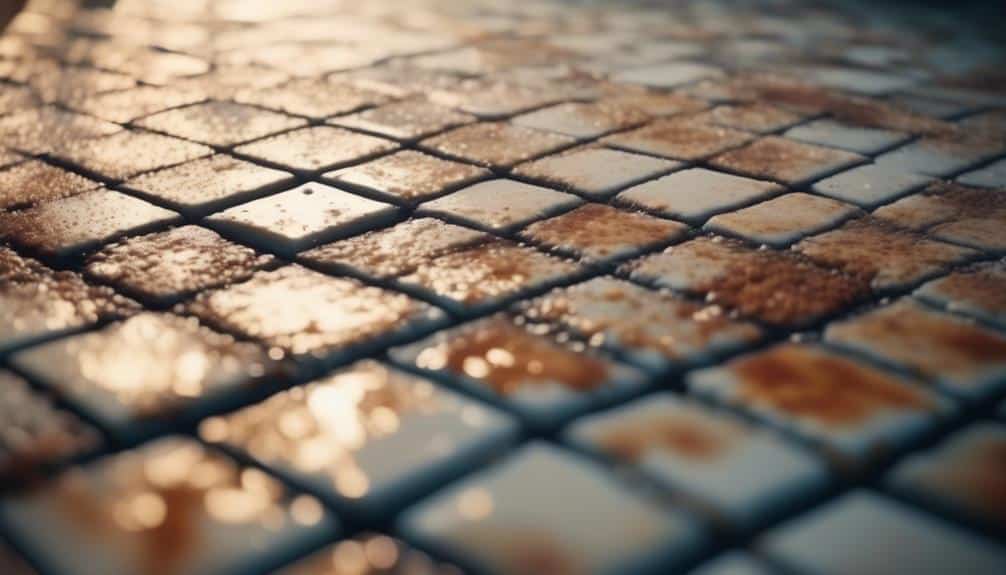
Some tile floors look brand new for years; others look tired within months despite regular cleaning. The difference usually isn’t how often you mop — it’s knowing how tile and grout actually work, avoiding the common cleaning mistakes that quietly destroy them, and using the right techniques for the long term. Here’s the practical guide to keeping tile floors radiant and clean for the long haul.
Understanding Tile and Grout
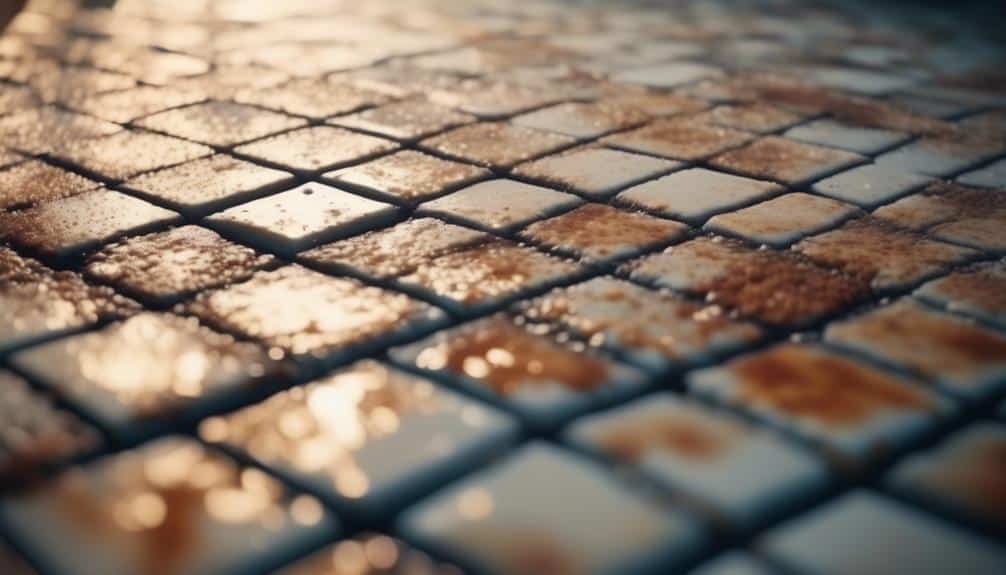
Tile and grout are very different surfaces with different needs, even though they sit right next to each other on your floor. Tile is hard, sealed, and relatively easy to keep clean. Grout is porous, which means it absorbs everything that lands on it — spilled coffee, mopping water, soap residue, dust — and gradually discolors as that buildup accumulates inside the joint.
Sealing the grout is the single most important thing you can do to keep tile floors looking new. A good grout sealer creates a protective barrier that resists liquid absorption, dramatically reducing how often spills become permanent stains. For routine maintenance, a pH-neutral cleaner with a grout brush handles surface dirt without damaging the grout. Address any cracks or crumbling joints right away — small grout problems become big substrate problems if water gets through them.
Common Tile Cleaning Mistakes
The fastest way to ruin tile floors is using the wrong cleaning approach. Three mistakes account for most of the damage we see:
- Using harsh chemicals: Strong cleaners feel powerful, but they damage grout binders and can etch tile finishes over time. Stick with pH-neutral cleaners for routine work. Save aggressive products for specific stain situations and test them on hidden areas first.
- Neglecting regular cleaning: Letting dirt and grime accumulate is what causes the gradual discoloration that’s hard to reverse. Weekly sweeping and mopping prevents 80% of the buildup that turns into permanent staining.
- Skipping proper sealing: Unsealed grout absorbs everything. The sealing step is what makes everything else worth doing — it’s the foundation of long-term tile care.
Avoiding these three mistakes alone keeps most tile floors in dramatically better condition than they would be otherwise. The best methods for cleaning grout covers the right techniques in detail.
The Importance of Professional Cleaning
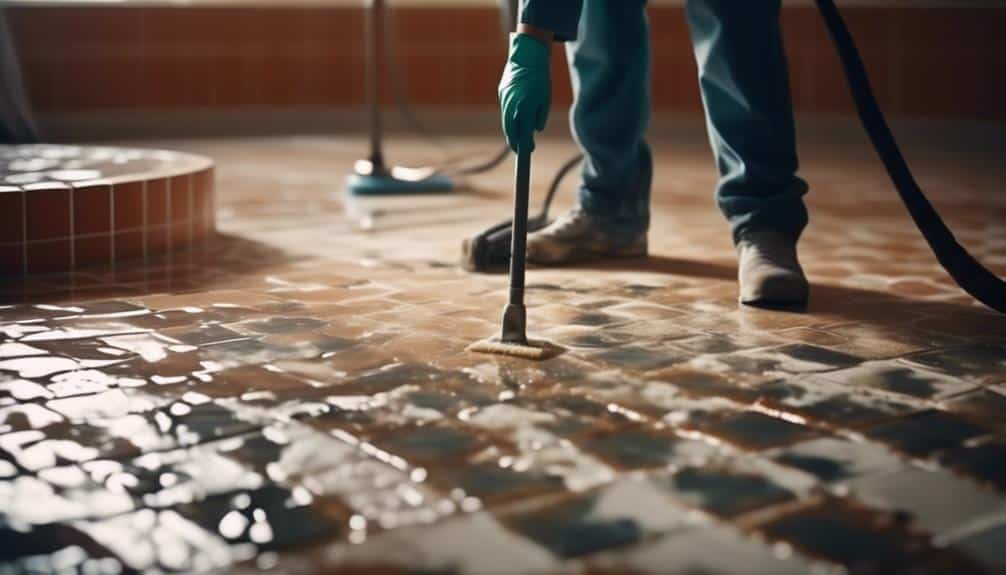
Even with consistent home maintenance, tile and grout eventually need professional attention. Household methods reach the surface; commercial-grade equipment reaches the grout pores where embedded contamination actually lives. The difference shows up in how clean the floor looks afterward and how long the cleanliness lasts.
Pros use specialized equipment and cleaning solutions that handle deep-seated grime, mildew, and stubborn stains without damaging the tile or grout. They identify specific issues like mineral buildup or sealer failure that homeowners often miss. The end result extends tile lifespan and reduces the frequency you need expensive repairs or replacement. 5 reasons to schedule regular tile and grout cleaning covers the case for making this a routine part of home maintenance.
Advanced Tile Cleaning Techniques
For deeper cleaning beyond what household methods can deliver, three professional techniques produce noticeably better results:
- High-Pressure Steam Cleaning: High-temperature steam penetrates grout pores and lifts grime, dirt, and stains that vacuuming and mopping can’t reach. The heat sanitizes simultaneously by killing bacteria and mold spores trapped in the joints.
- Professional-Grade Grout Sealing: Commercial sealants create a stronger, longer-lasting protective barrier than consumer products. Properly applied, a professional seal lasts 12-24 months between reapplications.
- Advanced Stain Treatment: Targeted treatments handle stains that resist general cleaning — rust marks, hard water deposits, organic discoloration. Each stain type responds to different chemistry, which is why one-size-fits-all cleaners often fail.
Maintaining Radiant Floors
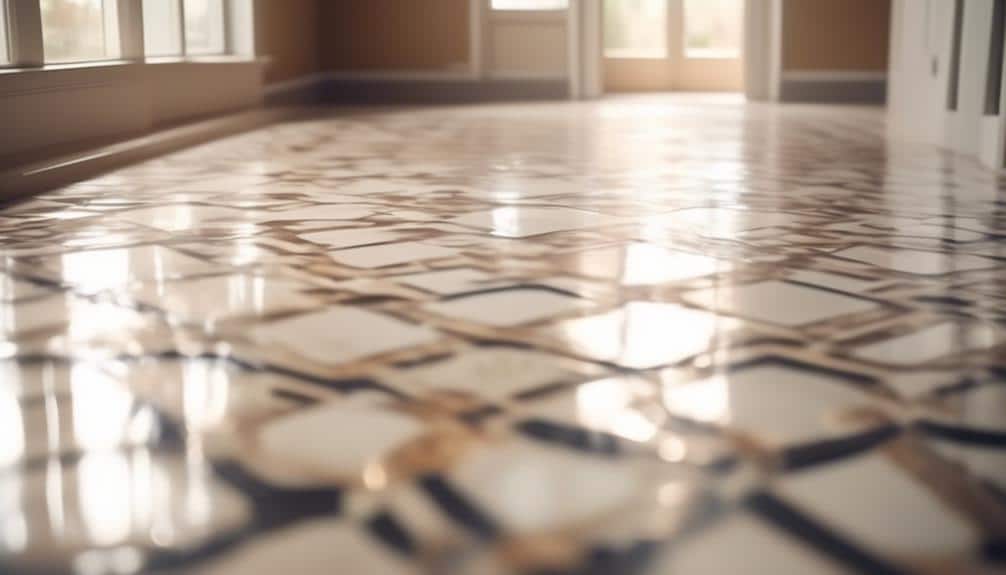
Daily and weekly habits are what keep tile floors looking new between professional cleanings. Sweep or vacuum regularly to lift grit before it can grind into the tile or settle into the grout. Mop weekly with a mild detergent and water solution — nothing harsh, nothing abrasive. Reseal the grout every 12-24 months depending on traffic.
Avoid the temptation to use stronger cleaners on stubborn stains — that often does more damage than the stain itself. For tough spots, address them quickly with a targeted treatment rather than letting them set. Address spills immediately. Most stains come out easily when fresh and become permanent if left for hours.
Conclusion
Keeping tile floors radiant comes down to understanding what you’re cleaning, avoiding the mistakes that gradually destroy tile and grout, sealing properly, and bringing in a professional periodically for the deep work that maintenance can’t replace. Done together, these habits keep tile floors looking new for years rather than months.
If your tiles have started looking dull or your grout is showing wear, professional cleaning is the cheapest way to reset everything. Visit our professional tile and grout cleaning to learn more, or call (601) 336-2411 for a free quote.