

If you have allergies, your carpet is doing more than just decorating the room. It’s collecting an invisible mix of dust mites, pet dander, pollen, and mold spores that quietly trigger your symptoms day after day. The good news is you don’t have to live with it, and you don’t have to rip up the carpet either. The right cleaning routine, the right method matched to your situation, and a few preventive habits can dramatically cut allergen levels. Here’s what actually works, in plain language.
Understanding Allergies and Carpets
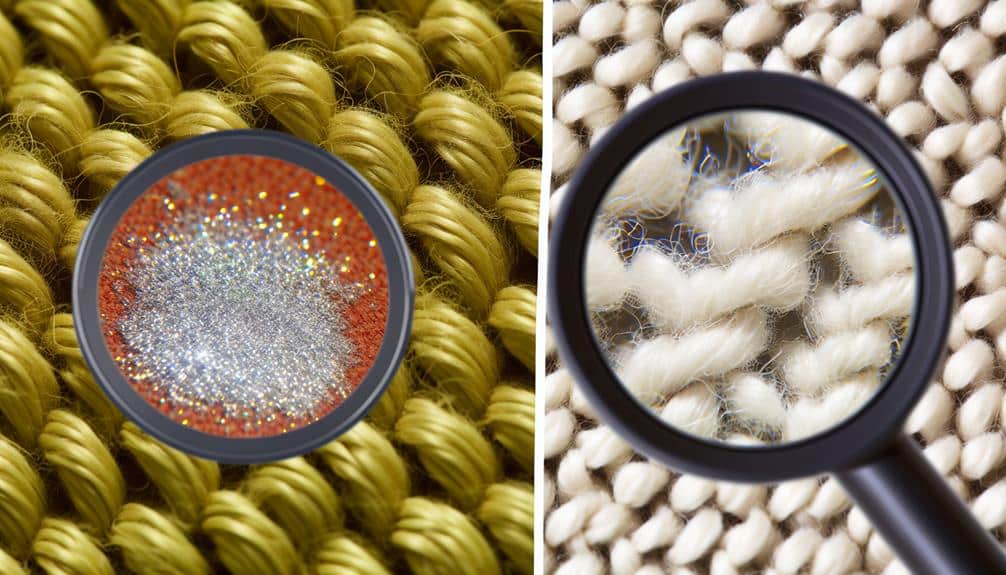
Carpets feel cozy, but they also act like giant filters — and like any filter, they catch things and hold them. Dust mites (microscopic creatures that thrive on dead skin cells), pet dander, mold spores from any spot that’s gotten damp, pollen tracked in from outside, and trapped airborne particles all settle into carpet fibers. Most of them stay there until something disturbs them, at which point they puff back into the air you’re breathing.
The fiber type matters too. Wool carpets tend to harbor more allergens because of their natural texture. Synthetic carpets like nylon or polyester hold fewer particles but sometimes off-gas chemicals that bother sensitive people. Neither material is automatically worse — what matters more is how often the carpet is cleaned and how well. Once you understand what’s actually accumulating, the cleaning routine almost designs itself.
The Importance of Regular Vacuuming
Vacuuming is your first line of defense, and most people are doing it wrong in two specific ways. The first is frequency. Once a week isn’t enough if you have pets, kids, or visible allergy symptoms. Aim for two or three times per week, with extra passes in high-traffic areas and around pet beds. The second is the vacuum itself. A standard vacuum can actually make things worse by stirring up allergens and exhausting them through a flimsy filter back into the room. A vacuum with a sealed system and a HEPA filter captures the small particles your eye doesn’t see — the ones that actually cause symptoms.
How you vacuum matters too. Slow, overlapping passes pull more out than fast back-and-forth strokes. Move furniture occasionally to get the spots that always get skipped. Empty the bag or canister outside, not in the kitchen trash, so you’re not redistributing what you just collected. Vacuuming alone can’t reach the deepest layers of carpet — for more on how trapped allergens affect what you breathe, see our guide on the role of carpet cleaning in indoor air quality.
Steam Cleaning: A Deep Clean Solution
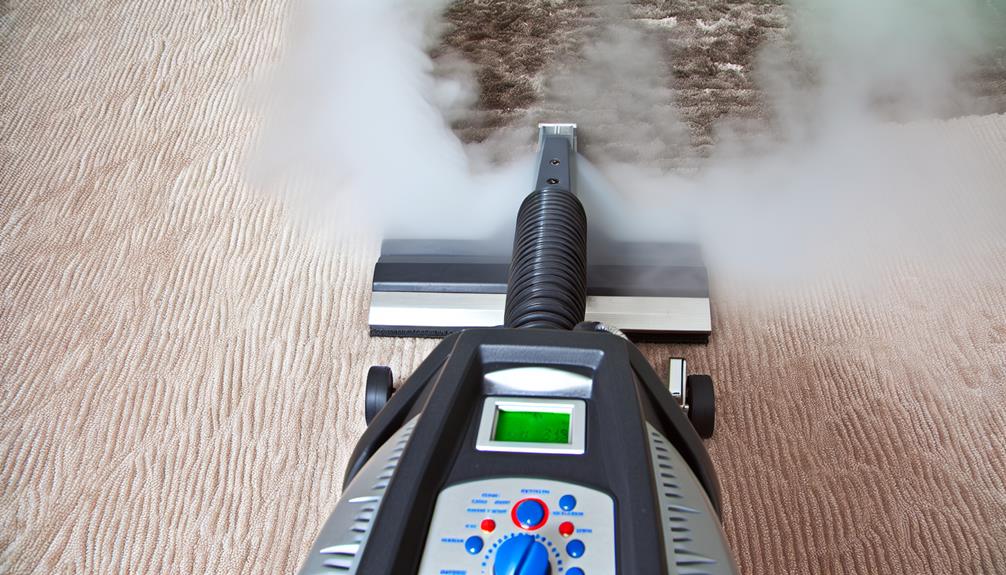
When vacuuming has done what it can, steam cleaning (technically hot water extraction) is the next step and one of the most effective options for allergy sufferers. The process injects hot water and a cleaning solution deep into the carpet fibers, then immediately extracts the water along with the loosened dirt and allergens. The heat is the key — it kills dust mites that survive cold cleaning methods, and the deep extraction pulls out particles that vacuuming can’t reach.
For someone with allergies, professional steam cleaning twice a year is a reasonable starting point, more often if symptoms are persistent or you have indoor pets. Home rental machines work, but the truck-mounted equipment professionals use generates much higher water temperatures and stronger extraction. The difference shows up in how dry the carpet is afterward and how clean the recovered water comes out. Wet carpets that take days to dry can encourage mold growth, which is its own allergy trigger.
The Benefits of Dry Cleaning
Steam cleaning isn’t always the right call. If your carpet can’t tolerate moisture (some natural fibers, certain backings) or you can’t afford the drying time, dry cleaning is a real alternative. The process uses specialized cleaning compounds that absorb dirt without water — you brush them in, let them work, then vacuum them out.
For allergy sufferers, the appeal is twofold. There’s no risk of leftover dampness fueling mold or mildew, and the process can use low-VOC, allergy-conscious cleaning compounds. Drying time is essentially zero, so rooms can be back in use within an hour. Where dry cleaning falls short is depth — it doesn’t pull out the embedded grit and biological matter the way hot water extraction does. For most allergy households, steam every six to twelve months with dry cleaning maintenance in between is the right rhythm.
The Advantages of All-Natural Cleaning Solutions
Conventional carpet cleaners do their job, but they sometimes introduce a different problem: chemical residues that irritate the same allergies you’re trying to treat. All-natural cleaning solutions sidestep that — you skip the harsh fragrances and synthetic surfactants and still get a clean carpet.
A few work surprisingly well at home. White vinegar mixed with water (one part vinegar to three parts water) lifts a lot of fresh stains. Baking soda sprinkled on the carpet, left to sit for 15 to 30 minutes, then thoroughly vacuumed up neutralizes odors and pulls some moisture from the fibers. A few drops of essential oil added to the baking soda makes the room smell good without the synthetic chemicals.
The honest caveat: natural cleaners are great for maintenance and small spills, but they don’t replace deep cleaning. Always test any cleaning solution on an inconspicuous corner first — natural doesn’t automatically mean safe for every fiber. And vacuum thoroughly before applying any cleaner, so you’re not just driving dirt deeper into the carpet.
The Value of Hiring Professional Carpet Cleaners
For most allergy households, the calculation eventually tilts toward hiring a pro. The math isn’t really about cost — it’s about effectiveness. Professional equipment generates higher water temperatures, stronger extraction, and access to commercial-grade cleaning agents that don’t sit on the shelf at the hardware store. Pros are also trained on different carpet materials, which matters when you’ve got wool, sisal, or anything delicate.
A common worry is the cost compared to DIY rentals or store-bought products. Honest answer: a professional treatment costs more upfront. But the time you save, the deeper clean you get, and the longer interval before you need another treatment usually make it the better deal — especially when symptoms are the actual problem you’re trying to solve. For a closer look at how professional cleaning specifically targets the allergens trapped in your carpet fibers, see our guide on how professional carpet cleaning eliminates allergens in your home.
Preventative Measures for Allergy Sufferers
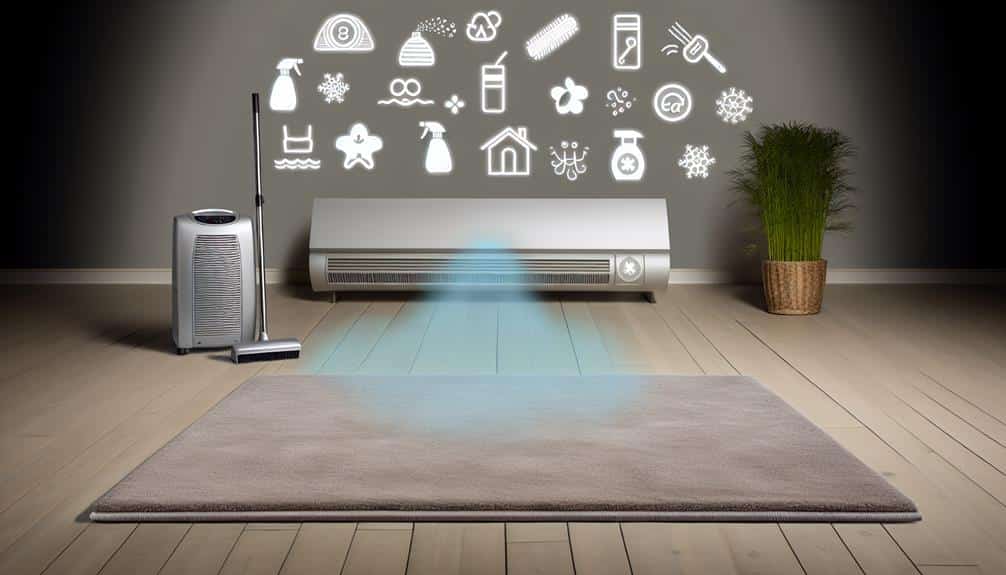
Cleaning is half the equation. Keeping allergens out of the carpet in the first place is the other half. A few habits make a big difference. Take shoes off at the door — the amount of pollen, mold spores, and pesticide residue tracked in on outdoor shoes is staggering, and a doormat plus a “shoes off” rule cuts that intake significantly. Wash bedding weekly in hot water (130°F or higher kills dust mites) and consider mite-proof covers on pillows and mattresses.
Maintain indoor humidity below 50 percent — dust mites and mold both thrive in higher humidity, and a basic dehumidifier in the worst rooms costs less than a single doctor’s visit. During pollen season, keep windows closed and run an air purifier with a HEPA filter in the bedroom. These habits feel small individually, but combined, they meaningfully reduce what’s getting into your carpet between cleanings.
The Effectiveness of Anti-Allergen Treatments
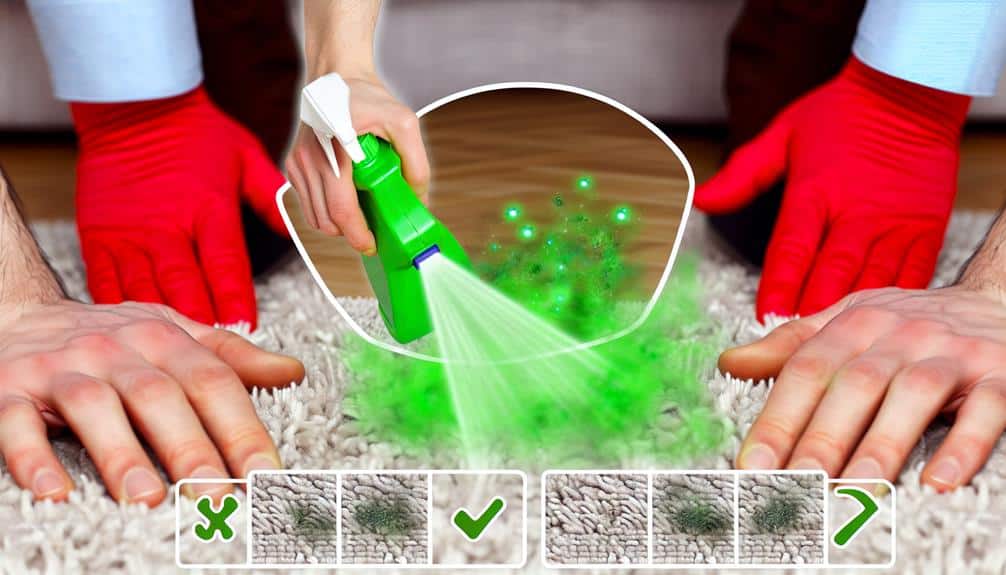
Beyond regular cleaning, several anti-allergen treatments are designed to specifically target what triggers symptoms. Anti-allergen sprays neutralize allergens on contact and are safe for most carpets — they don’t replace cleaning, but they treat what’s already there. Carpet deodorizers with anti-allergen properties freshen the carpet and reduce allergen activity at the same time, and they pair well with regular vacuuming.
Steam cleaning combined with an anti-allergen rinse penetrates deep and treats mites, dander, and trapped pollen in one pass — this is the most effective single treatment for severe allergies. HEPA-filter vacuuming, while not technically a “treatment,” is your most regular line of defense and the foundation everything else builds on.
Maintaining Your Carpet Post-Cleaning
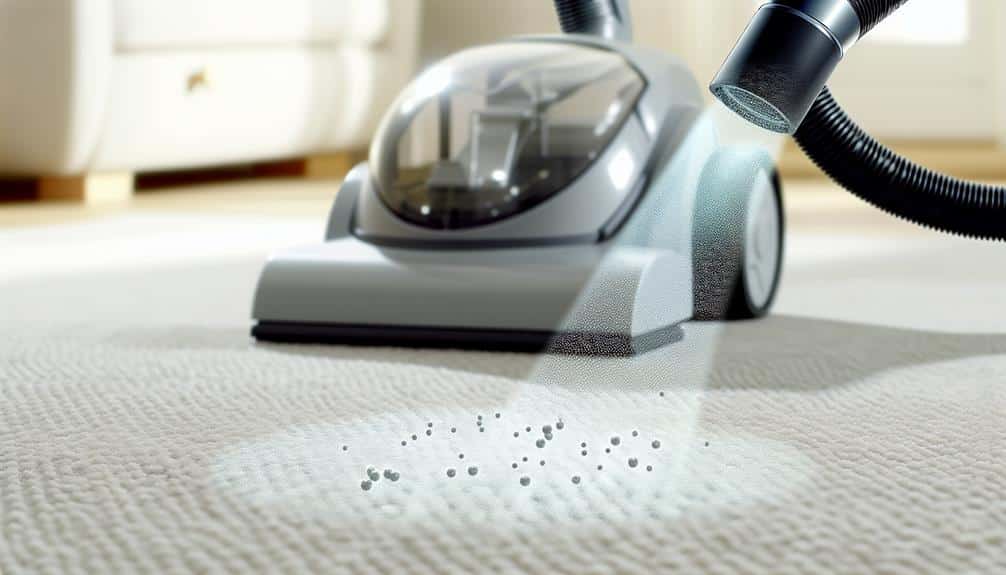
A clean carpet is the goal, but keeping it clean is where allergy control actually happens. Use entrance mats and area rugs in high-traffic spots to catch dirt before it reaches the main carpet. Vacuum at least weekly with a HEPA-filter vacuum — more often if your symptoms are active or you have pets. Plan a professional deep clean every six to twelve months, sooner if symptoms tell you it’s time. Address spills the moment they happen, before they soak in. Avoid wearing outdoor shoes indoors, and consider asking guests to do the same in the rooms where carpets matter most.
It seems like a lot, but the routine becomes second nature within a few weeks. The reward is a noticeable drop in symptoms — the kind that makes you wonder why you didn’t do this sooner.
Conclusion
Living with allergies and a carpeted home doesn’t have to be a daily battle. Consistent vacuuming with the right equipment, periodic deep cleaning (steam or dry depending on your fibers), thoughtful product choices, and a few preventive habits dramatically reduce allergen exposure. None of it is complicated; it just has to actually happen.
If your symptoms have been winning lately, sometimes a professional reset is the fastest way back to normal. At Hydra Clean of Hattiesburg, MS, we specialize in allergy-conscious cleaning methods, including HEPA-filtered extraction and low-residue treatments that don’t trade one trigger for another. Visit our professional residential carpet cleaning to learn more, or call us at (601) 336-2411. We’d love to help you breathe easier in your own home.