

Imagine you’ve just discovered a significant water leak, and your precious carpet is now drenched. What’s your next step? You might be tempted to dry it out, but without proper care, you could end up with a mold problem or permanent damage to your carpet. Let’s delve into some effective strategies for managing this messy situation and restoring your carpet to its original state. Keep reading for essential tips that will help you tackle this challenging scenario. Trust me; you won’t want to miss what’s coming next.
Assessing the Damage
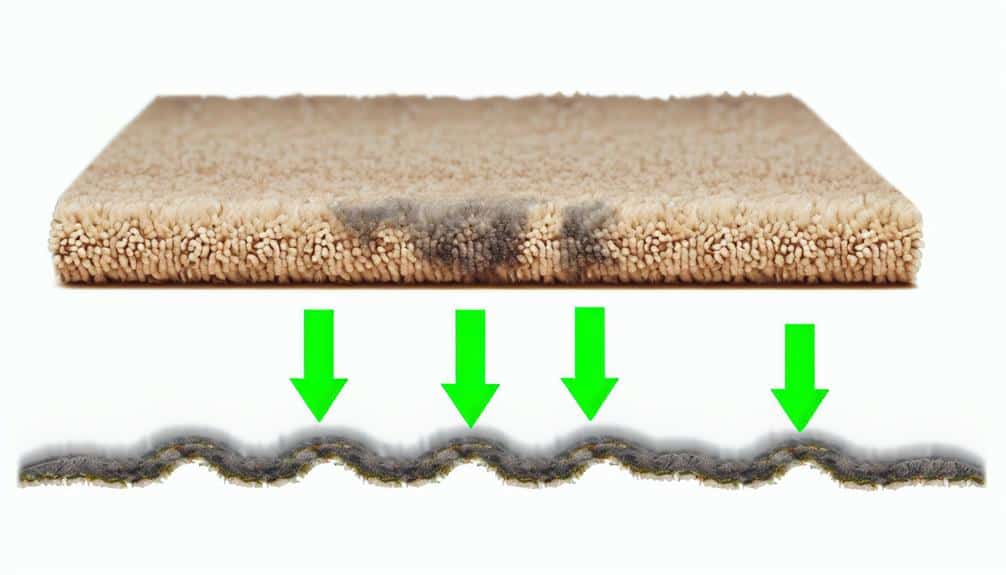
Following a water incident, it’s crucial to promptly assess the extent of damage inflicted on your carpets. This initial evaluation is pivotal as it goes beyond surface-level appearances. Water can seep into unexpected places, and carpets are no exception.
You need to evaluate the moisture levels in your carpet thoroughly – this includes both the surface and padding underneath. A handheld moisture meter can be an invaluable tool in this regard, helping you understand the gravity of the situation and plan accordingly.
Besides moisture levels, consider the source of water – was it clean or contaminated? If it was contaminated, not only might your carpets be water-logged but they could also pose a potential health hazard.
Necessary Equipment for Water Extraction
Before embarking on water extraction, ensure that you’re equipped with suitable tools. The right set of equipment is vital in defending against water damage on your carpets. Don’t worry; we’re here to guide you through this process.
Here’s a list of essential equipment:
- Wet Vacuum: This powerful tool extracts standing water, simplifying the task of dealing with remaining moisture.
- Carpet Wand: This device, specifically designed for water extraction from carpets, is ideal for reaching difficult corners.
- Air Movers: These devices expedite the drying process by promoting air circulation.
Effective Carpet Drying Techniques
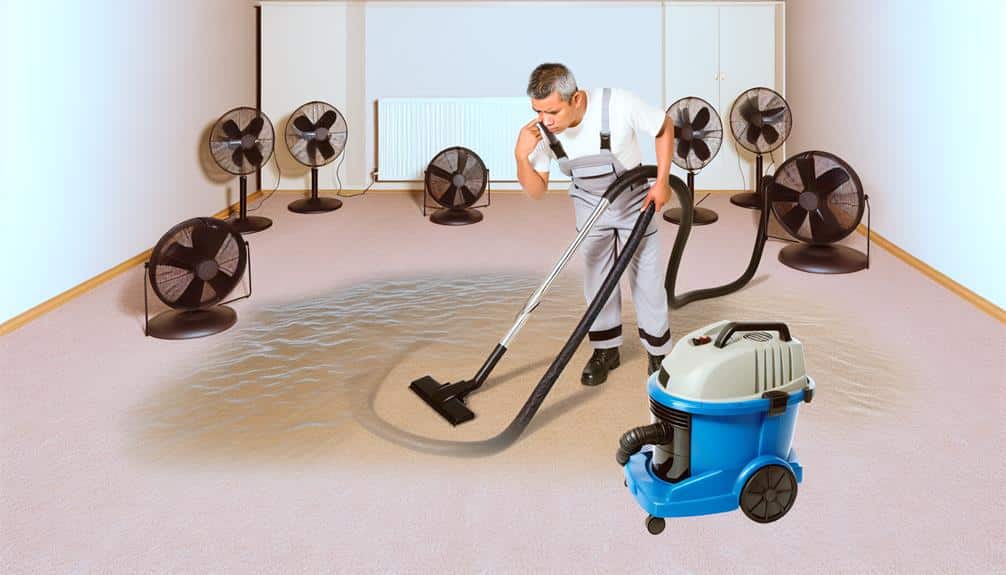
Once you’ve extracted as much water as possible using your wet vacuum and carpet wand, it’s time to concentrate on thoroughly drying your carpet. Quick drying is crucial in minimizing further water damage.
To start with, open all windows and doors to ensure proper ventilation. This step is vital as it aids evaporation and accelerates the drying process. A well-ventilated space allows moist air to circulate freely and escape, reducing overall humidity.
Next, consider using high-speed fans or industrial air movers. These tools work by blowing air across your carpet’s surface, promoting rapid drying. Ideally, keep them running continuously until the carpet is completely dry.
You can also use dehumidifiers which pull in damp air, remove moisture and blow out dry air. They are most effective in closed spaces and can significantly speed up the drying process.
Last but not least – heating. If it’s cold outside, turn up your heating system; warm air holds more moisture and will aid in evaporating the water from your carpet.
Preventing Mold and Mildew
While it’s crucial to act quickly to dry your carpet, it’s equally important to take measures to prevent mold and mildew. As part of a community fighting against water damage, we’re here to share some prevention tips that are essential for moisture control.
- Ventilation is key. Maintain good ventilation in your home, especially in areas prone to dampness like bathrooms and kitchens.
- Dehumidifiers can be very helpful. Use them to reduce moisture levels, making your home less inviting for mold growth.
- Regular cleaning, particularly vacuuming, can help keep mold spores at bay.
Bear in mind that it’s not just about dealing with the damage but also setting up defenses against future incidents. Be vigilant about potential water leaks and address them immediately. Always thoroughly dry any wet areas – this isn’t a place where you want to cut corners.
Restoring Your Damaged Carpet
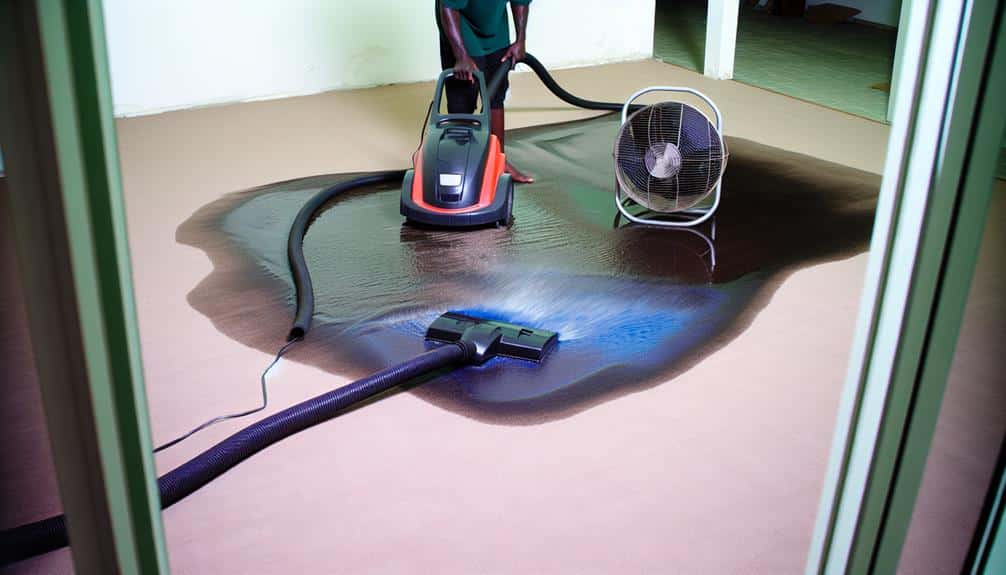
Facing a water-damaged carpet can feel overwhelming when considering the restoration process. But don’t worry; you’re not alone – we’re here to guide you through it.
The first step is assessing the extent of the damage – was the water clean or dirty? How much of the carpet is affected? These factors will determine your next steps. If it’s a small area and the water was clean, you might be able to handle the carpet cleaning yourself. But remember, time is of the essence – the quicker you act, the higher your chances of saving your carpet.
If the water was dirty or if the damage is extensive, it’s time to call in professionals. Professional restoration services have the skills, tools, and experience to deal with water-damaged carpets. They can dry out, clean and restore your carpet to its original state, saving you from replacement costs and hassle.
Restoring a damaged carpet is a journey but with proper guidance and support, you’ll get through it. Remember – we’re in this together!
Conclusion
You’ve now learned how to tackle water damage on your carpet. Remember that speed is crucial – quickly assess the damage, use appropriate equipment for extraction and thoroughly dry your carpet. Always be vigilant against mold and mildew growth. If it all seems too overwhelming, don’t hesitate to call in experts who are skilled at restoring carpets back to their original state. Now you’re equipped to handle water damage like a pro – ensuring that your carpets are safe and fresh once again.
If you ever need more help or want to learn more about maintaining your carpets in top condition, feel free to visit Hydra Clean of Hattiesburg MS at myhydraclean.com or give us a call at (601) 336-2411. We’re always here for assistance and would love hearing from you!