

Furniture wears out faster than it should because most upholstery doesn’t get the basic care that would extend its life by years. Regular vacuuming, prompt spill response, the right cleaner for the fabric, and a few protective habits aren’t complicated — they just have to actually happen. Done consistently, the same sofa lasts ten years instead of five. Done badly, even expensive pieces start looking tired within a season. Here’s the playbook for getting maximum life out of your upholstered furniture.
Understanding Upholstery Fabric Types
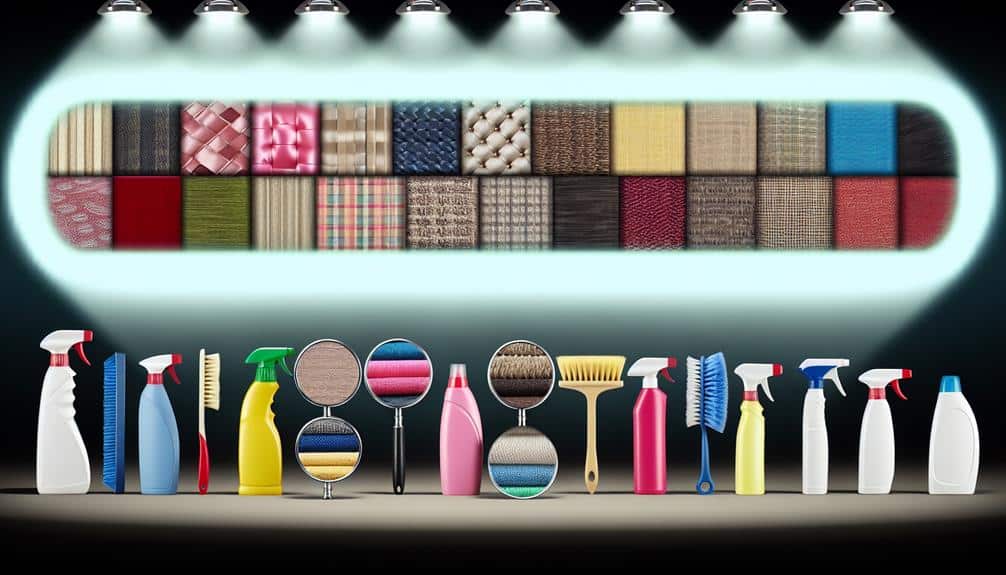
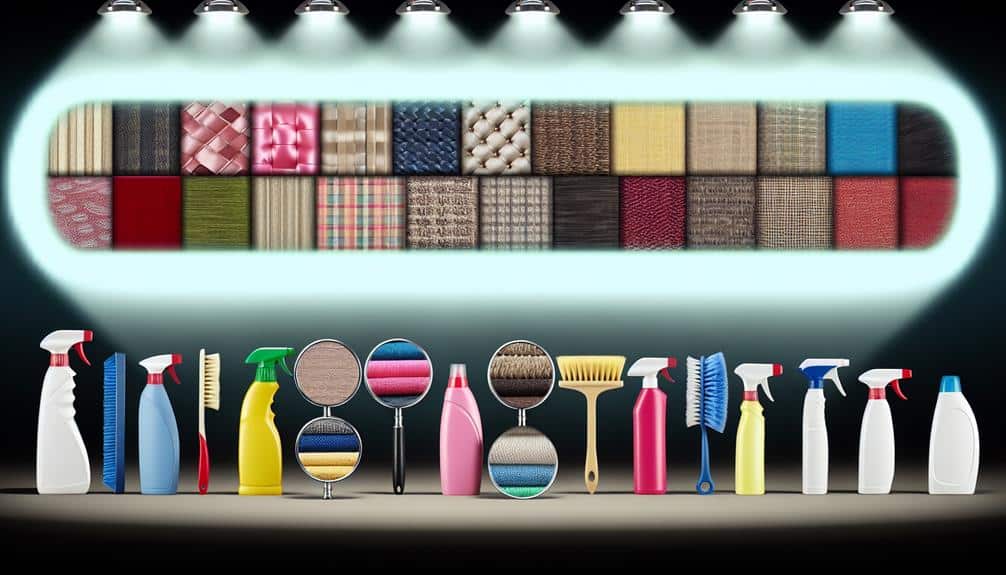
Every cleaning decision starts with knowing what the fabric actually is. Synthetic fabrics like polyester, nylon, and olefin are durable and forgiving — they handle frequent use and most cleaners without complaint. Natural fibers (cotton, linen, wool) need gentler handling: cotton stains and wrinkles easily, linen marks with water, wool doesn’t tolerate excessive moisture. Delicate fabrics like silk and velvet require careful, low-moisture techniques and are best left to professionals when seriously soiled.
Match cleaning frequency to use. High-traffic family room pieces need weekly attention; guest-room furniture can go longer between cleanings without losing condition. Heavier, durable fabrics tolerate (and benefit from) more frequent cleaning, while delicate fabrics do better with occasional gentle care than aggressive maintenance.
Pre-Cleaning Inspection and Preparation
Before any cleaning, inspect the piece. Identify the fabric and find the manufacturer’s care tag — usually under a cushion or stitched to the back. Note the cleaning code (W, S, WS, X) and let it guide your method. Look for stains, worn spots, loose threads, or any structural issues; address those before cleaning, since agitating already-failing fabric usually makes the damage worse.
Gather tools before you start. A vacuum with an upholstery attachment, white microfiber cloths (white only — colored cloths transfer dye), a soft-bristled brush, and a fabric-appropriate cleaner cover most situations. Test any new cleaner on a hidden area first. Take your time during this prep phase; rushing here is where most upholstery damage happens.
Vacuuming: Your First Defense
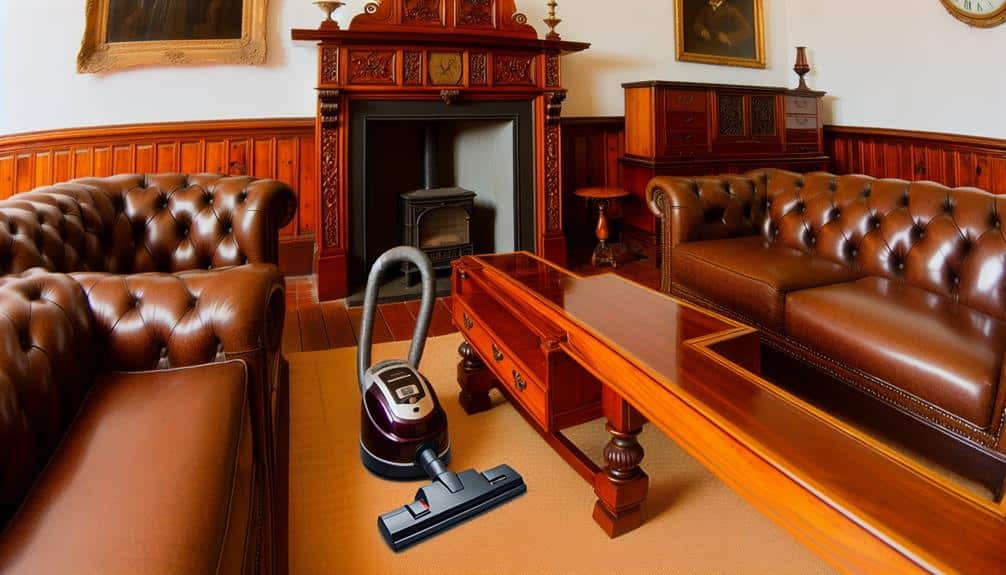
Vacuuming is the most underrated step in upholstery care. The grit and dust that accumulate on the surface are abrasive — every time someone sits down, those particles cut into the fibers from the inside. Weekly vacuuming pulls them out before they can do damage.
Use the upholstery attachment on the actual fabric and the crevice tool for seams and the gaps between cushions, where most debris collects. Move methodically from top to bottom so dust doesn’t resettle on areas you already cleaned. Take your time — quick passes don’t generate enough suction to lift embedded particles. For more on the full home cleaning routine, the ultimate upholstery cleaning checklist walks through it step by step.
Stain Removal Techniques
Most stains come out if you handle them quickly and correctly. The single most important rule: blot, never rub. Rubbing pushes the stain deeper into the fibers and spreads it across more surface area. Press a clean white cloth straight down to lift the liquid out of the fabric.
Start gentle and escalate only if needed. White vinegar mixed with water (1:3 ratio) handles most fresh stains. Baking soda sprinkled on a stain absorbs both moisture and odor. For oil-based stains, mild dish soap diluted in warm water works well. Always test on a hidden area first — even gentle solutions occasionally react badly with specific dyes. Work from the outside of the stain inward to keep it from spreading.
DIY Cleaning Solutions
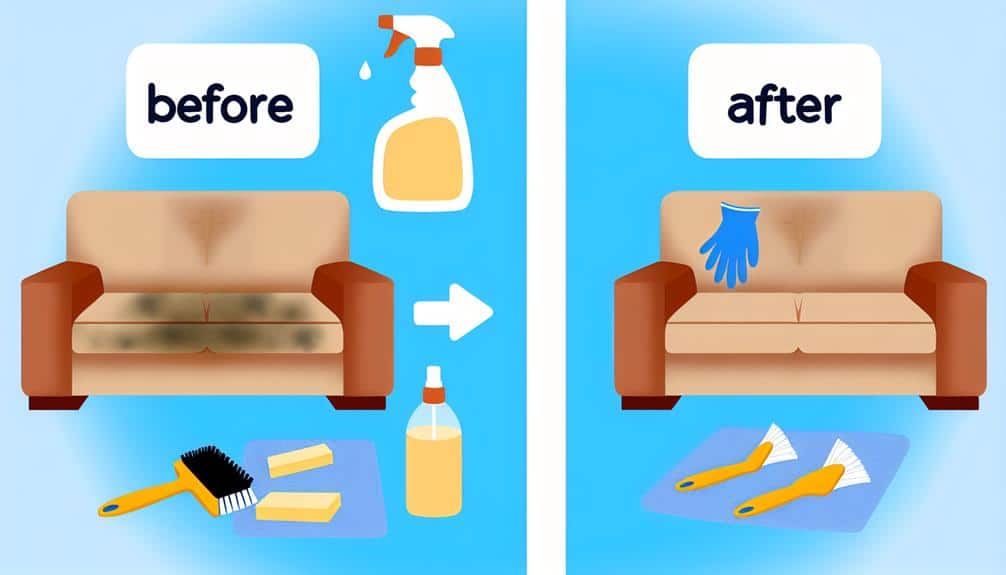
Pantry ingredients handle most household stains effectively. For spot cleaning, mix one part white vinegar with three parts water in a spray bottle, mist lightly onto the stain, let it sit a few minutes, then blot with a clean white cloth.
For broader freshening, sprinkle baking soda generously across the upholstery, let it sit at least 15 minutes (longer for stubborn smells), then vacuum it up. Baking soda absorbs odor molecules at a chemical level rather than masking them. For deep cleaning, a vinegar-and-warm-water solution applied with a soft brush handles general dirt — just don’t over-saturate. These DIY methods cost almost nothing, work safely on most fabrics, and skip the chemical residues some commercial products leave behind.
Professional Upholstery Cleaning Products
Commercial upholstery cleaners are formulated specifically for fabric and tend to clean more effectively on tougher stains than pantry mixtures. They’re also tested on a range of fabric types, so the risk of damaging upholstery is generally lower than experimenting with mixed solutions.
Eco-friendly options have caught up with traditional chemical cleaners on most performance metrics — you don’t have to trade environmental concern for cleaning power anymore. Cost-wise, commercial upholstery cleaners run more per ounce than vinegar-and-water, but they often pull off stains DIY can’t handle and can extend the time between deep cleanings. For pieces you’d hate to risk, the marginal cost is usually worth it.
Steam Cleaning: Pros and Cons
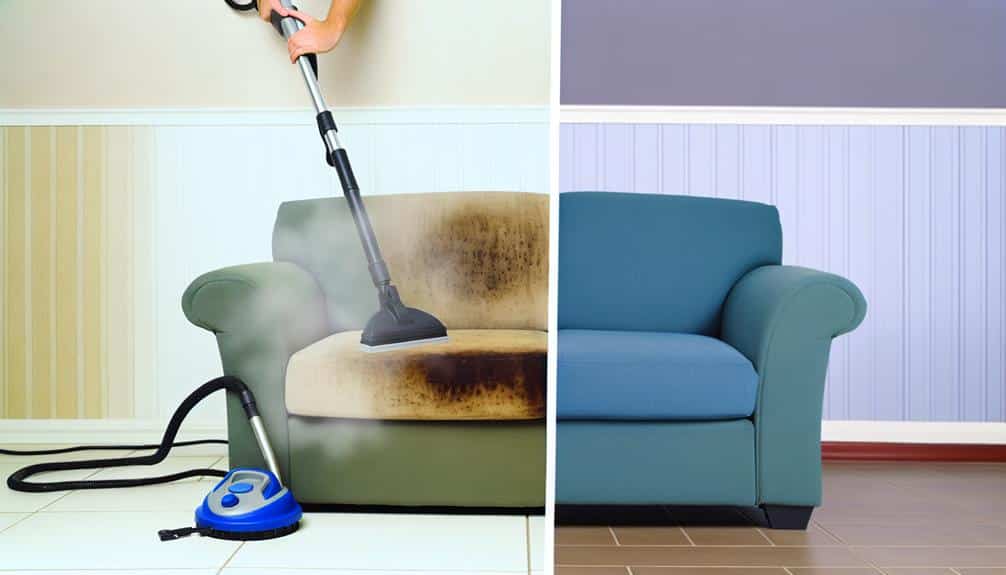
Steam cleaning (technically hot water extraction) uses high-temperature water to dissolve embedded soil and kill bacteria without harsh chemicals. It’s the most effective DIY-accessible method for deep cleaning, and the chemical-free aspect makes it safer for kids and pets.
The catch: it only works on water-safe fabrics (W or WS codes), and bad technique creates more problems than it solves. Over-wetting leaves moisture in the cushion underneath, which becomes a mold and mildew problem within 48 hours. Make sure the upholstery dries fully before use — fans, dehumidifiers, and good airflow help. Steam also doesn’t handle every stain; for set-in protein stains and oil residues, you may need a follow-up with a chemical cleaner. As one of multiple tools rather than a magic bullet, steam earns its place in the rotation.
Maintaining Regular Cleaning Routine
Upholstery that gets attention on a schedule lasts dramatically longer than upholstery that only gets cleaned reactively. The basics:
- Vacuum your upholstery weekly, paying extra attention to crevices and hidden sections.
- Use gentle, fabric-friendly cleaning products for spot treatment.
- Rotate cushions regularly for even wear and tear.
- Air out your upholstery in the sun occasionally for natural disinfection.
Avoiding common pitfalls is half the battle — common upholstery cleaning mistakes and how to avoid them walks through the errors that shorten furniture life faster than anything else.
Protecting Your Furniture From Damage
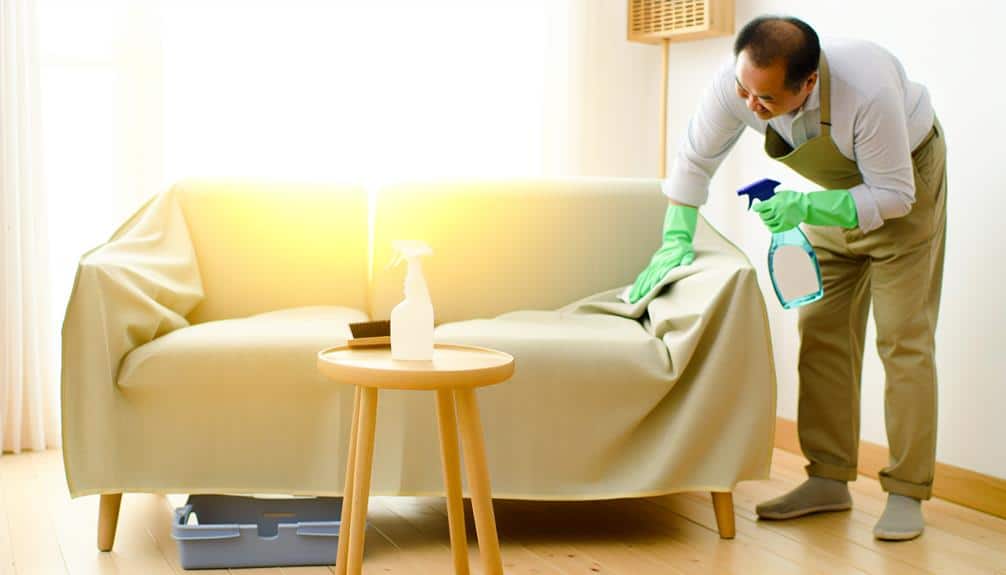
Cleaning is reactive. Protection is proactive — and dramatically cheaper in the long run. Quality slipcovers protect upholstery from the things that wreck it: spills, pet claws, sun exposure, daily wear. Today’s slipcovers come in plenty of styles that don’t look like 1990s slipcovers, so you’re not trading aesthetics for protection.
Beyond covers, location matters. Direct sunlight fades upholstery and breaks down fibers over time — rotating furniture or using window treatments to cut UV exposure helps. Don’t place upholstered pieces against radiators or in front of heating vents; the constant heat dries out fibers and accelerates wear. Apply a quality fabric protector (Scotchgard or similar) every six months for an extra barrier against spills.
Dealing With Difficult Upholstery Stains
Tough stains happen. The combination of speed and the right approach gets most of them out:
- Blot with a clean white cloth immediately — don’t rub.
- Try a mild dish soap and warm water solution first; test on a hidden area.
- For tougher stains, use a specialized stain remover and follow the instructions exactly.
- Always dry the area thoroughly to avoid moisture damage or mold.
For stains that resist gentle methods or for pieces you can’t risk, professional service is usually the safer path than escalating with stronger products at home.
In Conclusion
Extending upholstery life isn’t complicated — it’s consistent. Know your fabric, vacuum weekly, blot stains immediately, use the right cleaners, deep clean periodically, and protect what you’ve cleaned. Each of those habits reinforces the others, and together they’re what separates furniture that ages gracefully from furniture that looks worn after two years.
For deep cleaning that pushes past what DIY can handle, professional service is worth the cost. Visit our professional furniture and upholstery cleaning to see what we offer, or call (601) 336-2411 for a free quote.