
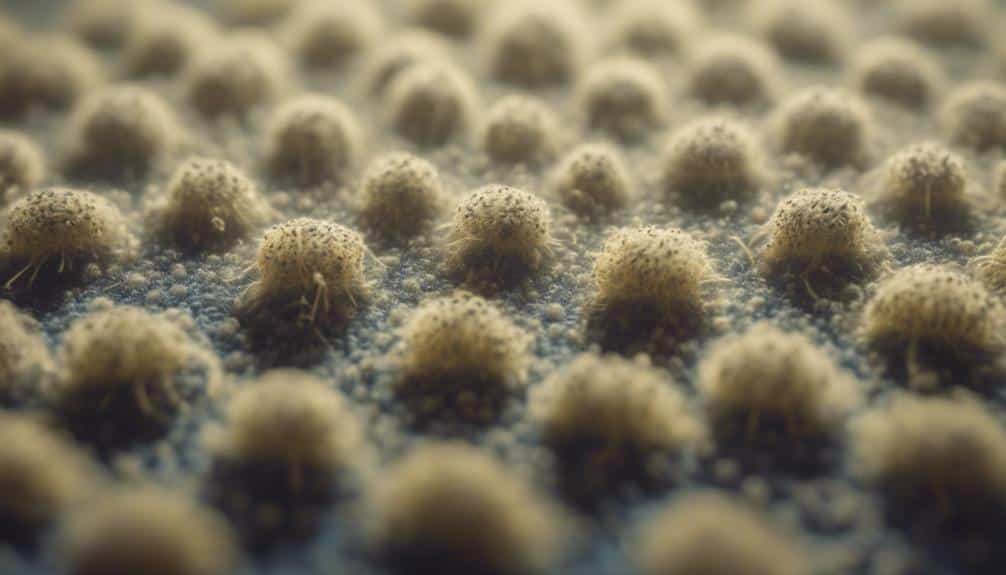
You might not realize it, but your carpet could be a significant contributor to those persistent allergy symptoms. Dust mites, pet dander, and mold spores love to hide in carpet fibers, turning your cozy floor into an allergen hotspot. Fortunately, there are ways to combat this issue and create a healthier indoor environment. Understanding how carpets trap allergens and what materials are best can make a significant difference. But how do you identify the right solutions and ensure you’re taking the proper steps? Let’s explore the key strategies to keep your home allergen-free.
Common Carpet Allergens
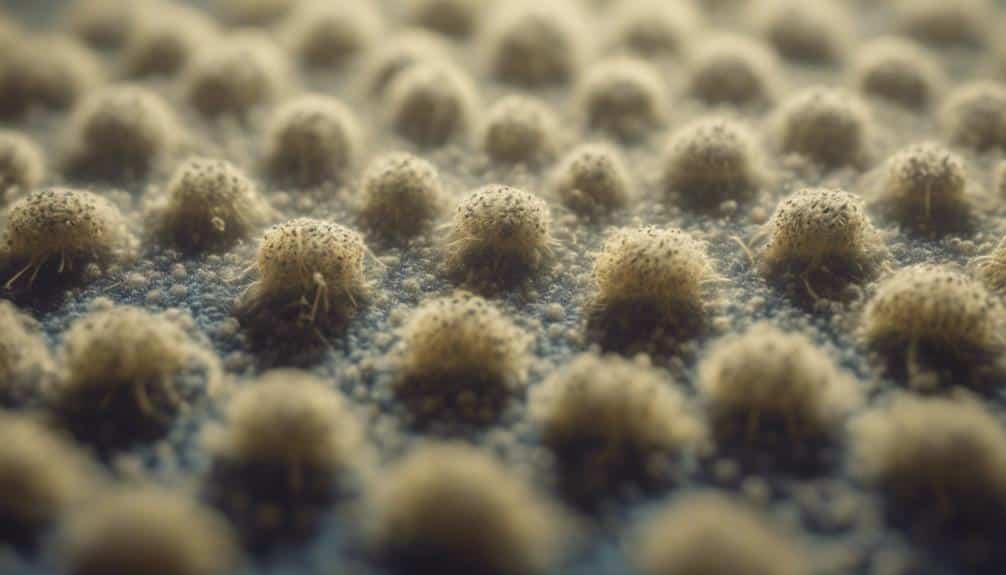
Common carpet allergens include dust mites, pet dander, and mold spores which can trigger allergic reactions in sensitive individuals. Dust mites thrive in the fibers of carpets, feeding on dead skin cells and producing waste that’s a potent allergen. Pet dander consists of tiny skin flakes from cats, dogs, and other animals is another common culprit. These microscopic particles can easily become airborne and settle deep within carpet fibers making them difficult to eliminate.
Mold spores are particularly concerning as they can grow in damp environments and release allergens and irritants into the air. Even minor moisture from spills or high humidity can foster mold growth in carpets. When mold spores are inhaled they can cause respiratory issues especially in individuals with asthma or compromised immune systems.
Understanding these common carpet allergens helps you take proactive measures to reduce exposure and create a healthier living environment. Regular cleaning and maintenance can significantly lessen the presence of pet dander and mold spores in your home.
How Carpets Trap Allergens
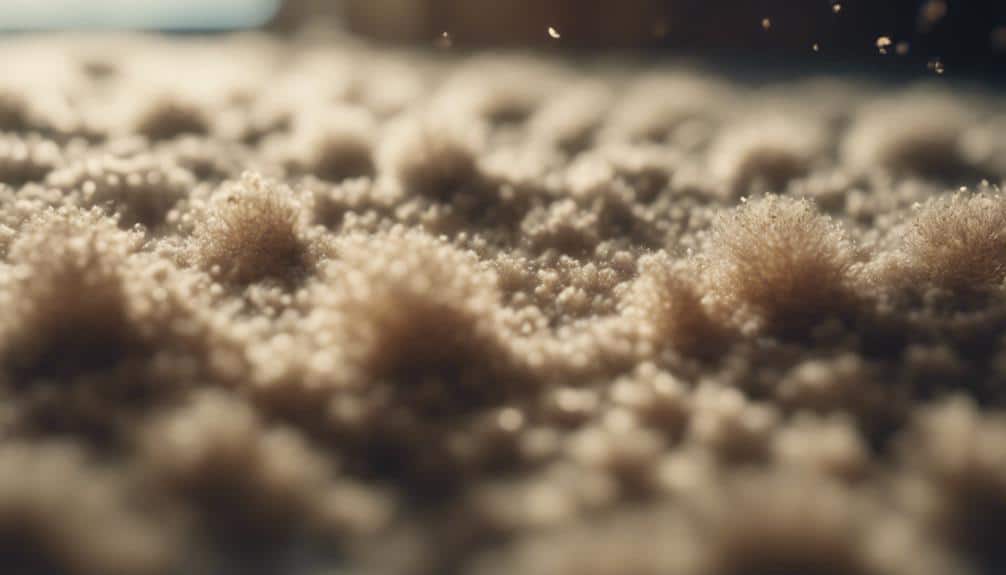
Carpet fibers act like a magnet for allergens, trapping particles such as dust mites, pet dander, and mold spores deep within their structure. These fibers often made from synthetic or natural materials possess intricate designs that facilitate the entrapment of microscopic particles. As you walk across the carpet, the movement causes these particles to become airborne leading to dust accumulation that can exacerbate allergic reactions.
The fiber structure of carpets plays a crucial role in this process. Each individual fiber has a surface area that can hold onto allergens making it difficult for them to be easily removed through routine cleaning. Over time, the accumulation of dust and other particles becomes significant creating a reservoir of allergens. This is particularly concerning in high-traffic areas where the disturbance of these particles is frequent.
For those looking to serve others especially in environments such as schools hospitals or homes understanding how carpets trap allergens can help you take proactive measures. Regular thorough cleaning and choosing carpets with tightly woven fibers can mitigate this issue. Employing HEPA vacuum cleaners and professional carpet cleaning services can also reduce the allergen load promoting a healthier indoor environment.
Identifying Allergy Symptoms
When identifying allergy symptoms, you’ll often notice signs such as sneezing, itchy eyes, and nasal congestion that occur after exposure to allergens. These symptoms are your body’s immune response to perceived threats such as dust mites, pet dander or pollen trapped in carpets. Recognizing these signs early can help mitigate discomfort and prevent more severe reactions.
In addition to the common symptoms skin reactions such as rashes or hives can also indicate an allergic response. If you or someone you care for experiences itchiness or red inflamed skin after spending time on carpeted floors it’s crucial to take allergies into account as a potential cause. Monitoring these symptoms can guide you in taking actionable steps to improve indoor air quality.
Respiratory distress including wheezing shortness of breath or a persistent cough can be particularly alarming. These symptoms may signal that allergens are affecting the respiratory system more severely. Such reactions warrant prompt attention and possibly professional medical evaluation particularly if they persist or worsen over time.
Allergy-Friendly Carpet Materials
For those looking to reduce allergen exposure choosing carpets made from synthetic fibers like nylon or polyester can greatly lower the risk of allergic reactions. These materials are less likely to harbor dust mites and mold common triggers for allergies. Synthetic fibers are also easier to clean which helps maintain a healthier indoor environment.
However if you prefer natural fibers consider hypoallergenic options like wool. Wool is naturally resistant to dust mites and mold due to its unique structure. It’s also an excellent choice for those who are environmentally conscious as it’s biodegradable and renewable.
When selecting carpet materials keep these considerations in mind:
- Synthetic fibers like nylon and polyester: Easier to clean, less likely to trap allergens.
- Wool: A natural fiber that’s hypoallergenic and environmentally friendly.
- Regular maintenance: Essential for any carpet type to minimize allergens.
- Certified products: Look for carpets that have been tested and certified for low allergen content.
Benefits of Low-Pile Carpets
Opting for low-pile carpets can further minimize allergen accumulation due to their shorter fibers which make it more difficult for dust pollen, and pet dander to embed deeply. This characteristic greatly enhances the indoor air quality an essential factor for individuals with respiratory issues or allergies. Low-pile carpets are scientifically proven to trap fewer allergens making them a more suitable option for those committed to creating a healthier living environment.
One of the main advantages of low-pile carpets is their easy maintenance. The shorter fibers not only reduce allergen buildup but also simplify the cleaning process. Regular vacuuming is more effective ensuring that you can maintain a clean and allergen-free home with less effort. This is particularly beneficial for households with children or elderly family members who are more susceptible to allergens.
Moreover, low-pile carpets offer various style options allowing you to choose designs that fit seamlessly with your interior decor while still prioritizing health. From modern patterns to classic textures you’ll find a wide array of choices that cater to both aesthetic appeal and functional needs. By selecting low-pile carpets, you can achieve a balance of style and health benefits serving your loved ones better.
Effective Cleaning Techniques
Effective cleaning techniques are essential for minimizing allergen levels in your home and maintaining a healthier living environment. To effectively reduce allergens, you need to focus on thorough and regular carpet cleaning. Evidence indicates that steam cleaning is highly effective for this purpose. By using hot water extraction steam cleaning removes allergens like dust mites pet dander, and pollen which are often deeply embedded in carpet fibers.
Allergy tests can help you identify specific allergens you’re sensitive to allowing you to tailor your cleaning routine accordingly. For instance, if dust mites are a significant concern steam cleaning can be particularly beneficial as it kills these microscopic pests.
Here are some key points to take into account for effective carpet cleaning:
- Steam cleaning: Utilize hot water extraction to remove and kill allergens.
- Frequency: Clean carpets every 6-12 months or more frequently if you have severe allergies.
- Professional services: Consider hiring professionals with specialized equipment and expertise.
- Non-toxic cleaners: Use hypoallergenic and non-toxic cleaning products to avoid introducing new allergens.
Vacuuming Best Practices
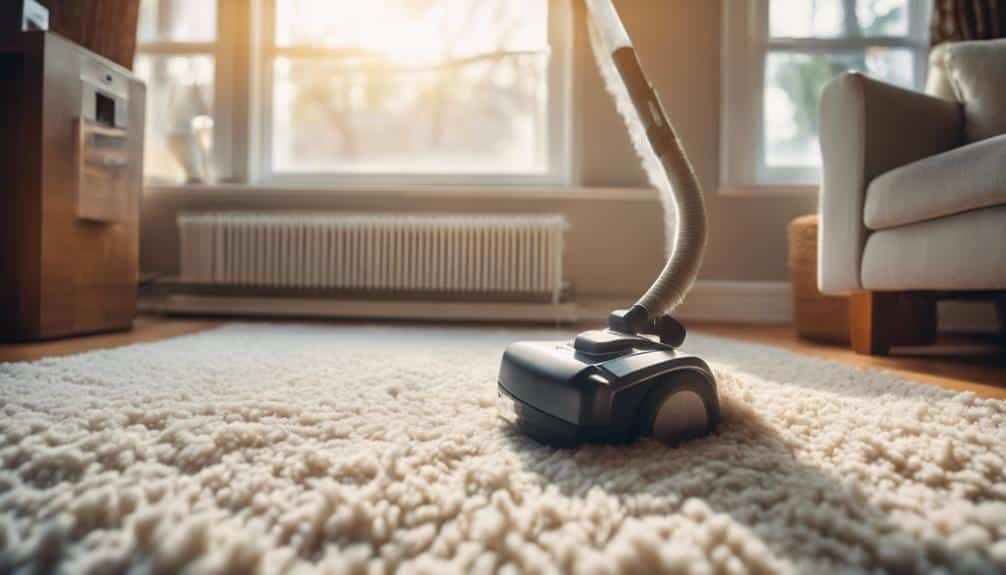
Regular and methodical vacuuming is crucial for minimizing allergens in your carpet and maintaining a healthier indoor environment. Research indicates that allergens such as dust mites pet dander, and pollen can accumulate in carpet fibers exacerbating respiratory issues and allergies. To effectively reduce these allergens, you should vacuum at least twice a week. High-traffic areas or homes with pets may require daily vacuuming to keep allergen levels low.
Using the right vacuuming tools can have a substantial impact on the effectiveness of your cleaning routine. HEPA (High-Efficiency Particulate Air) filters are particularly efficient capturing 99.97% of particles as small as 0.3 microns. A vacuum equipped with a motorized brush is also advantageous as it agitates carpet fibers to dislodge embedded particles.
Maintain your vacuum properly; regularly check and replace filters and empty the dust container to preserve suction power. Slow overlapping passes with your vacuum will ensure maximum particle removal.
Professional Carpet Cleaning
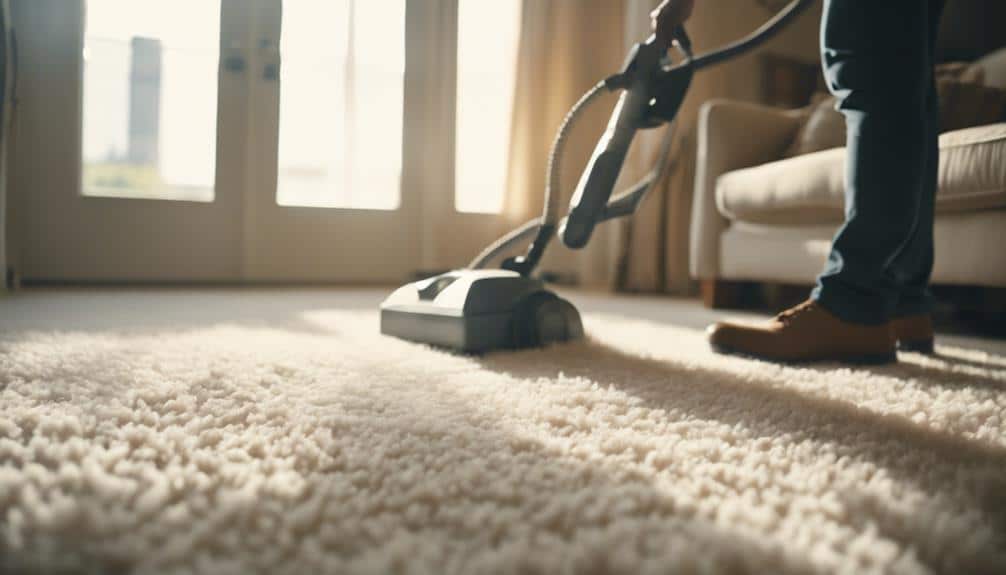
While regular vacuuming is important for daily maintenance, periodic professional carpet cleaning can greatly reduce deeply embedded allergens and improve overall air quality. Professional methods such as steam cleaning penetrate carpet fibers more deeply than standard vacuum cleaners effectively removing dust mites pet dander, and pollen.
Steam cleaning employs high-temperature water vapor to break down dirt and allergens. This method is particularly effective because the heat kills bacteria and dust mites while the moisture lifts and removes trapped particles. Research indicates that steam cleaning can decrease the allergen load in carpets by up to 85%.
Here are key benefits of professional carpet cleaning:
- Deep Cleaning: Reaches areas that DIY solutions can’t ensuring thorough allergen removal.
- Health Improvement: Reduces allergens that trigger respiratory issues benefiting everyone especially those with asthma.
- Extended Carpet Life: Regular professional cleaning maintains carpet integrity prolonging its lifespan.
- Enhanced Air Quality: Cleaner carpets lead to better indoor air quality making your home a healthier environment.
For those dedicated to serving others investing in periodic professional carpet cleaning demonstrates a commitment to creating a safe healthy living space. By combining regular vacuuming with professional services you can significantly reduce allergens and foster a cleaner home environment.
Additional Allergy-Reducing Tips
In addition to professional carpet cleaning implementing strategies such as using high-efficiency particulate air (HEPA) filters and maintaining low indoor humidity levels can further reduce allergens in your home.
Air purifiers equipped with HEPA filters can capture up to 99.97% of airborne particles including pollen dust mites, and pet dander greatly improving indoor air quality. Position air purifiers in high-traffic areas and bedrooms to maximize their effectiveness.
Maintaining indoor humidity levels between 30-50% is essential as high humidity can promote the growth of mold and dust mites. Utilize dehumidifiers and air conditioners to regulate humidity, and regularly check and clean these devices to ensure peak performance.
Switching to hypoallergenic bedding can also play a significant role in reducing allergens. Hypoallergenic mattress covers and pillowcases create a barrier against dust mites and other allergens preventing them from accumulating in your bedding. Wash your bedding in hot water weekly to eliminate any lingering allergens.
Conclusion
In conclusion, addressing carpet-related allergies is like battling an invisible enemy. By opting for hypoallergenic materials and low-pile carpets you can greatly reduce allergen buildup.
Regular vacuuming with a HEPA filter and professional cleanings are crucial to keep allergens at bay. Remember proactive measures can make a world of difference in maintaining a healthier indoor environment. Don’t let allergens settle; take control and breathe easier with these evidence-based strategies.
On a personal note if you’re looking for more tips or need professional cleaning services I highly recommend visiting Hydra Clean of Hattiesburg MS at myhydraclean.com. They have a wealth of information and services to help you combat allergens effectively. Feel free to give them a call at (601) 336-2411. Trust me, you’ll be glad you did!