
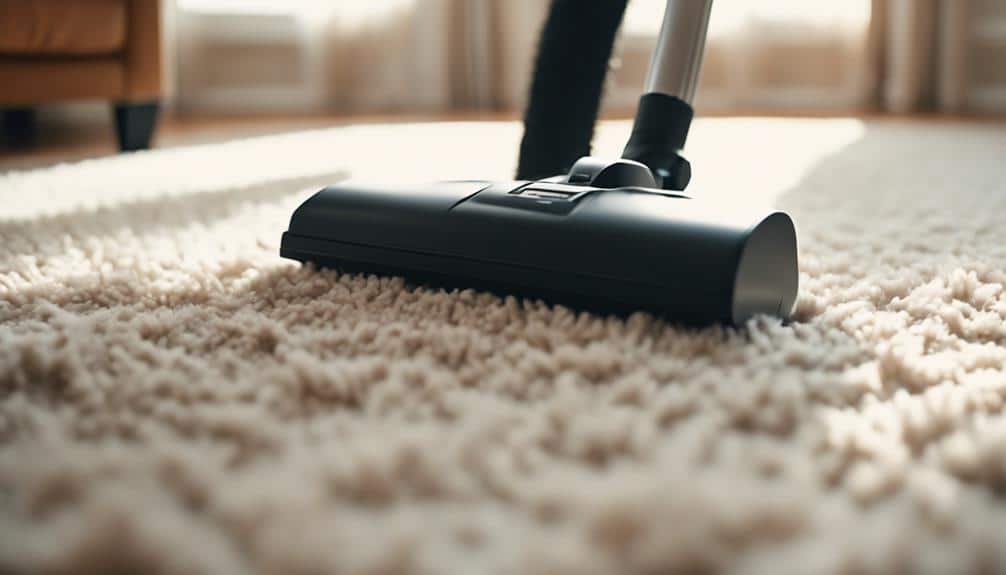
You might think you know everything about keeping your carpets clean, but many common beliefs are actually myths that can do more harm than good. For instance, have you ever heard that vacuuming too often will wear out your carpet? This is a widespread notion, but the opposite is true. Regular vacuuming helps maintain the carpet’s condition by removing dirt and debris that can damage fibers over time. And that’s just the tip of the iceberg. Curious about other misconceptions affecting your carpet care routine? There’s more to uncover.
Vacuuming Wears Out Carpet

Contrary to popular belief, regular vacuuming doesn’t wear out your carpet but actually extends its lifespan by removing dirt and debris that can cause damage. High-traffic areas accumulate more particles which are abrasive to carpet fibers. By vacuuming frequently, you prevent this wear and tear, maintaining the carpet’s appearance and functionality.
To serve others who rely on your expertise, emphasize the importance of vacuuming frequency. For most homes, vacuuming high-traffic areas two to three times a week is ideal while less-trafficked areas can be managed with weekly vacuuming. This routine ensures the carpet remains clean and inviting for everyone.
Equally important is vacuum maintenance. A well-maintained vacuum operates efficiently and prolongs carpet life. Check and replace filters regularly, empty the dustbin frequently, and inspect brush rolls for tangled hair or debris. These practices ensure that your vacuum works at its best, providing top-notch suction and cleaning power.
Store-Bought Stain Removers

Store-bought stain removers often promise quick and effective results, but their harsh chemicals can sometimes damage your carpet fibers and leave behind residues. When you’re trying to maintain a clean and welcoming environment for others, understanding the chemical composition of these products is essential. Many contain bleach, ammonia, or solvents that can not only discolor your carpet but also weaken its structure over time.
Knowing the right application techniques is equally important. Most people spray the stain remover directly onto the carpet, which can lead to over-saturation and further damage. Instead, it’s best to apply a small amount to a clean cloth and gently dab the stained area. This minimizes the risk of soaking the carpet backing and helps you control the amount of cleaner being used.
Additionally, always test the stain remover on a hidden section of your carpet first to make sure it won’t cause any adverse reactions. By taking these precautions, you’re not just preserving the longevity of your carpet but also ensuring a safe and clean environment for those you serve. Remember, it’s not just about removing the stain; it’s about doing so responsibly and effectively.
Professional Cleaning Frequency
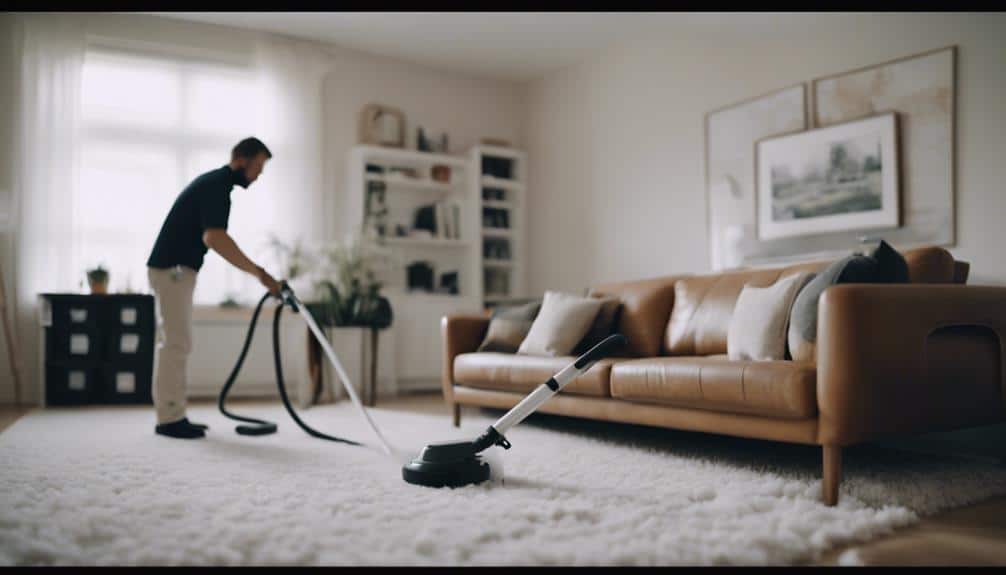
While proper use of store-bought stain removers can help mitigate immediate issues, scheduling regular professional carpet cleanings is essential to maintaining your carpet’s overall health and appearance. You might think occasional vacuuming is enough, but professional cleaning offers benefits that surpass what typical home maintenance can achieve.
Firstly, professional cleanings greatly reduce indoor pollutants. Carpets can trap dust, pet dander, and other particles that contribute to poor indoor air quality. These pollutants can trigger seasonal allergies, making your home uncomfortable for those sensitive to allergens.
Regular professional cleaning also extends your carpet’s lifespan. Dirt and debris act like abrasive agents that wear down carpet fibers over time. Expert cleaning removes these particles, preserving the carpet’s integrity and appearance.
Consider the following benefits of scheduling professional carpet cleanings:
- Improved Air Quality: Reduces allergens and indoor pollutants.
- Enhanced Appearance: Keeps carpets looking fresh and new.
- Extended Lifespan: Protects fibers from wear and tear.
- A Healthier Environment: Minimizes allergen exposure.
- A Deep Cleaning: Removes embedded dirt that regular vacuuming can’t reach.
Fear of Carpet Shrinking During Cleaning
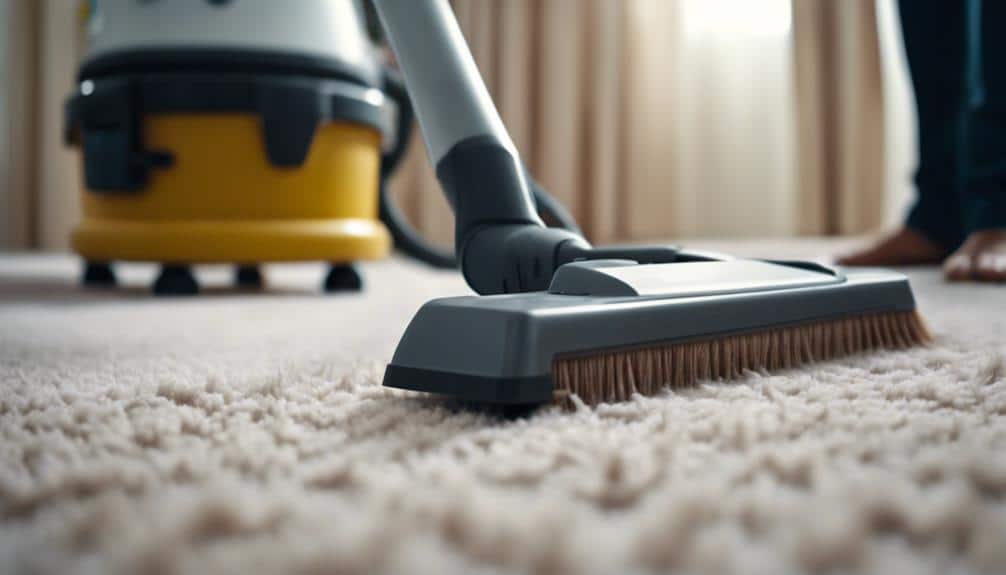
Among various carpet cleaning myths, concerns about carpet shrinking often arise due to improper cleaning techniques or excessive moisture. Understanding the nature of carpet fibers can help mitigate these concerns.
Different fibers react differently to water and cleaning agents. Wool, for instance, is more prone to shrinkage if not handled correctly, while synthetic fibers like nylon or polyester are generally more resilient.
To prevent carpet shrinking, it’s vital to use appropriate drying techniques. Rapid and even drying is imperative. Professionals often employ powerful extraction equipment to remove excess moisture and high-velocity air movers to facilitate quick drying. This approach minimizes the risk of fibers contracting and causing the carpet to shrink.
You should also be mindful of the cleaning solutions used. Harsh chemicals can weaken carpet fibers, making them more susceptible to damage and shrinkage. Always opt for gentle, carpet-specific cleaners that maintain the integrity of the fibers.
The Dangers of Steam Cleaning

One potential danger of steam cleaning is the risk of excessive moisture penetrating deep into the carpet fibers, leading to mold and mildew growth. When too much water is left behind, it creates an ideal environment for these harmful organisms to thrive. This can not only damage your carpet but also pose health risks to you and your family.
Additionally, overheating risks are another concern. Steam cleaners need to reach high temperatures to effectively clean, but if not monitored, they can overheat. This can damage the carpet fibers and backing, reducing the lifespan of your carpet.
Consider the following potential problems:
- Moisture Retention: Carpets can take a long time to dry, leading to prolonged periods of dampness.
- Mold and Mildew: Excessive moisture creates a breeding ground for mold and mildew.
- Fiber Damage: Overheating can weaken the fibers, causing them to break or deteriorate.
- Adhesive Breakdown: High temperatures may weaken the adhesive that holds the carpet together.
- Potential Health Risks: Mold and mildew growth can trigger allergies and respiratory issues.
The Effectiveness of DIY Cleaning
Evaluating the effectiveness of DIY carpet cleaning involves considering both immediate results and potential long-term impacts on your carpet’s durability. While homemade solutions and natural alternatives may be appealing, they aren’t always the best choice for every situation. You might achieve a cleaner surface in the short term, but improper techniques or incorrect mixtures can lead to residue build-up which attracts more dirt over time.
Using household ingredients like vinegar and baking soda offers a natural alternative to chemical-based cleaners. However, these natural solutions can sometimes fail to penetrate deep into carpet fibers or remove stubborn stains. Also, excessive moisture from DIY cleaning can promote mold growth if not properly dried, compromising both the carpet and indoor air quality.
It’s essential to understand that while DIY methods can serve as a quick fix, they often lack the thoroughness provided by professional cleaning services. Professionals use advanced equipment and specialized cleaning agents designed to preserve your carpet’s integrity and longevity.
New Carpet Doesn’t Need Cleaning

Many homeowners mistakenly believe that new carpets don’t need cleaning, assuming their pristine appearance equates to cleanliness. However, this misconception can lead to several issues that compromise your home’s healthy environment.
New carpets, despite looking spotless, can harbor dust accumulation and other contaminants introduced during the manufacturing and installation processes.
Regular cleaning is essential for maintaining a healthy environment in your home. Here are key reasons why your new carpet still needs attention:
- Dust Accumulation: Even new carpets can quickly gather dust which affects air quality and triggers allergies.
- Chemical Residues: Carpets often contain residues from manufacturing such as dyes and adhesives which should be eradicated to ensure a safer living space.
- Pet Dander: If you have pets, their dander can embed itself into carpet fibers almost immediately, necessitating routine cleaning.
- Foot Traffic: High traffic areas can accumulate dirt and debris faster than you might expect, leading to premature wear and tear.
- Odors: New carpets can sometimes emit odors from the materials used which regular cleaning can help disperse.
All Carpet Cleaners Are Alike
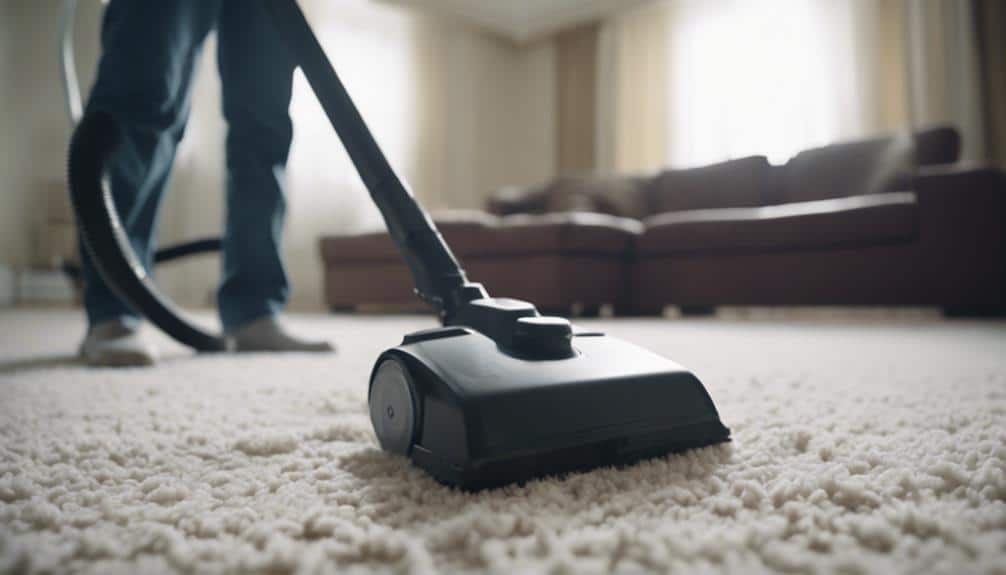
All carpet cleaners are not created equal, and understanding the differences can greatly impact the longevity and cleanliness of your carpets. When selecting a carpet cleaning service, it’s vital to consider both the cleaning methods they use and the quality of their equipment.
Different cleaning methods such as steam cleaning, dry cleaning or encapsulation each have their specific benefits and limitations. Steam cleaning for instance is highly effective at removing deep-seated dirt but may require substantial drying time. On the other hand, dry cleaning is faster but might not be suitable for heavily soiled carpets. Knowing which method aligns best with your carpet’s needs and your schedule is important.
The quality of equipment also plays a significant role. High-grade professional equipment can extract more dirt, allergens, and moisture compared to standard or rental machines. This means not only a cleaner carpet but also one that maintains its appearance and structure over time.
Wet Carpets Attract Mold
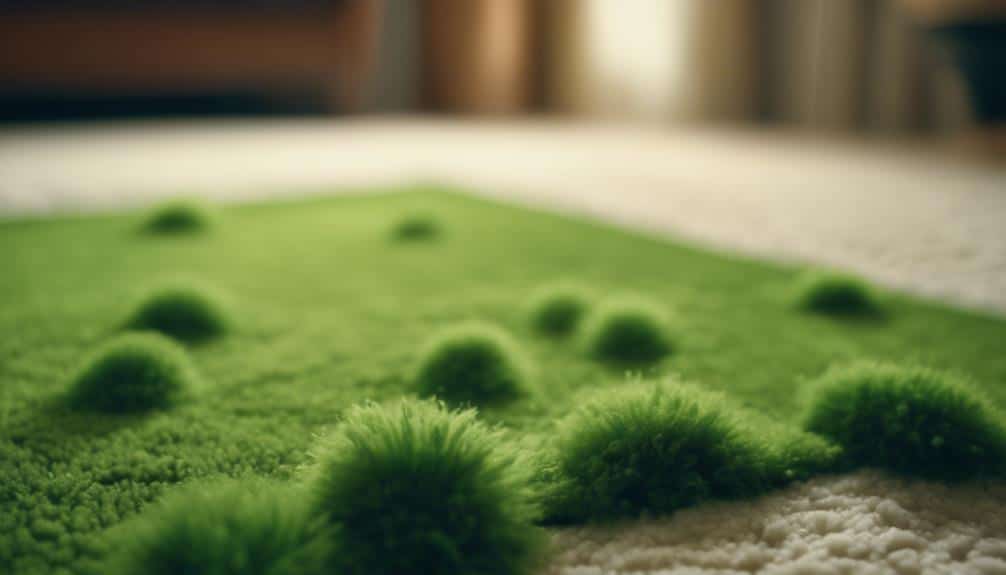
Damp carpets can quickly become a breeding ground for mold, leading to potential health hazards and costly damage. When your carpet stays wet for an extended period, it creates the perfect environment for mold spores to thrive.
Mold can cause respiratory issues, allergies, and even structural damage to your home. To combat this, you need to employ effective drying techniques and mold prevention strategies.
Consider these essential tips to prevent mold growth in wet carpets:
- Immediate Action: Act quickly to dry your carpet. The longer it stays wet, the greater the risk of mold.
- Proper Ventilation: Ensure good airflow by opening windows and using fans. This helps speed up the drying process.
- Use Dehumidifiers: Dehumidifiers can significantly reduce the moisture level in the air aiding in quicker carpet drying.
- Professional Equipment: High-powered carpet dryers and water extraction machines can efficiently remove moisture.
- Regular Cleaning: Regularly clean your carpets to prevent dirt and debris buildup which can retain moisture and foster mold growth.
In Conclusion
You’ve learned that many carpet cleaning beliefs are simply myths. Who knew regular vacuuming actually prolongs your carpet’s lifespan?
Relying on professional cleaners guarantees not only a pristine look but also a healthier home environment. Avoid the pitfalls of DIY solutions and questionable store-bought products.
Remember, even new carpets need proper care. Don’t let misinformation guide you; with the right knowledge, you can maintain your carpets effectively and safely.
If you’re interested in learning more or need professional help with your carpets, I invite you to visit Hydra Clean of Hattiesburg MS at myhydraclean.com. Feel free to give us a call at (601) 336-2411. We’re here to help and ensure your home stays clean and fresh!