

When you consider cleaning your favorite wool suit, dry cleaning might instinctively come to mind. But have you ever thought about whether steam cleaning could be a better option? Steam cleaning uses high-temperature steam to sanitize and lift dirt, often making it more eco-friendly and cost-effective. Conversely, dry cleaning relies on chemical solvents that can be harsher on fabrics and the environment. Both methods have their pros and cons, but which one is truly superior for your needs? Let’s delve into the nuances to help you make an informed decision.
Understanding Steam Cleaning
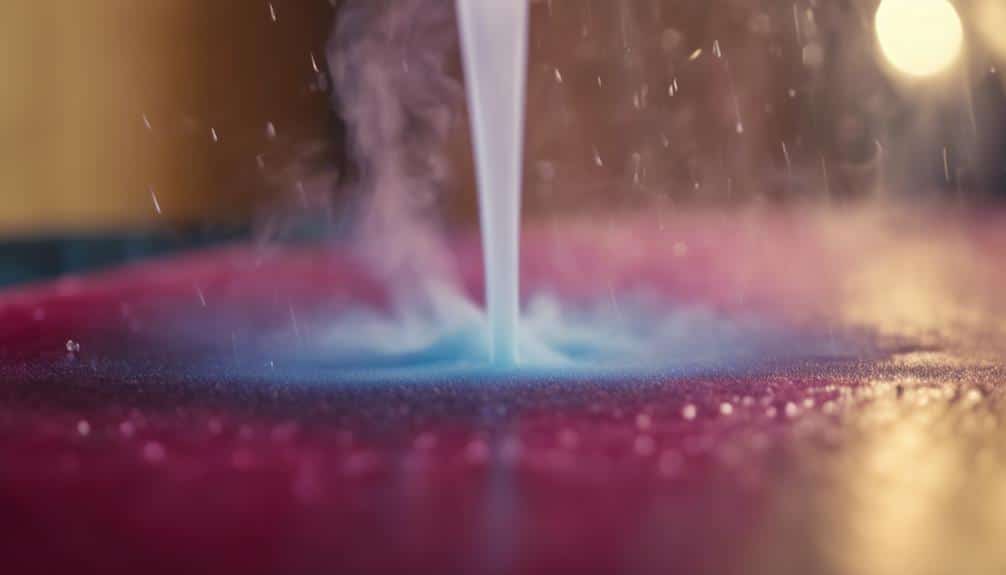
Steam cleaning works by using high-temperature steam to loosen and remove dirt, bacteria, and allergens from surfaces. The heat from the steam penetrates deep into the material, breaking down contaminants at a molecular level. This process effectively sanitizes without the need for harsh chemicals, making it an environmentally friendly option. The key to its effectiveness lies in the combination of heat application and moisture extraction.
When applied, the high temperature of the steam loosens dirt and kills bacteria. Following this step is moisture extraction; a powerful vacuum system extracts both moisture along with loosened particles leaving behind a clean surface that’s nearly dry.
For instance, steam cleaners can heat water up to 212°F (100°C), ensuring thorough disinfection. Research shows that steam cleaning can eliminate up to 99.9% of bacteria and allergens—making it ideal for households with children or pets.
Understanding Dry Cleaning
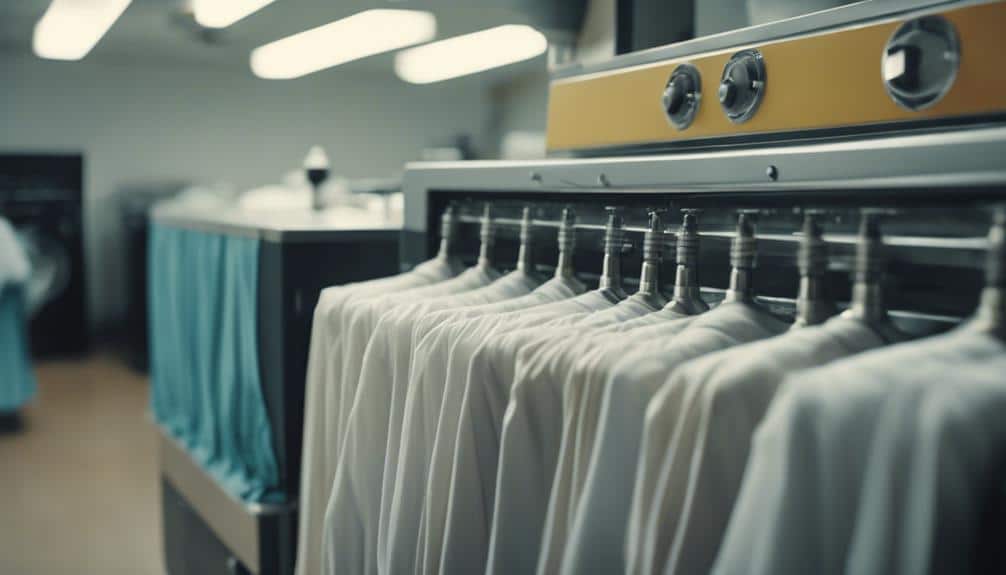
Unlike steam cleaning, dry cleaning uses chemical solvents to remove dirt and stains from fabrics without the need for water. This method is especially useful for delicate materials that might be damaged by water or high heat. The primary solvents used in dry cleaning include perchloroethylene (perc), hydrocarbon, and silicone-based solutions—each offering unique benefits such as effective stain removal or reduced environmental impact.
The process begins with placing garments in specialized cleaning machines that resemble large front-loading washers but operate differently. First, they apply the chosen solvent to the clothes, ensuring it penetrates the fabric fibers to dissolve grime and stains. Unlike water, these solvents don’t cause shrinkage or color bleeding. The cleaning cycle typically includes agitation which aids in loosening dirt particles.
Next, the machine extracts the solvent effectively drying the clothes. Advanced cleaning machines feature recovery systems that filter and recycle the solvent making the process more efficient and eco-friendly.
After cleaning, garments undergo pressing and finishing to restore their original appearance. Understanding how dry cleaning works equips you better to care for delicate fabrics while serving clients’ needs effectively.
The Advantages of Steam Cleaning
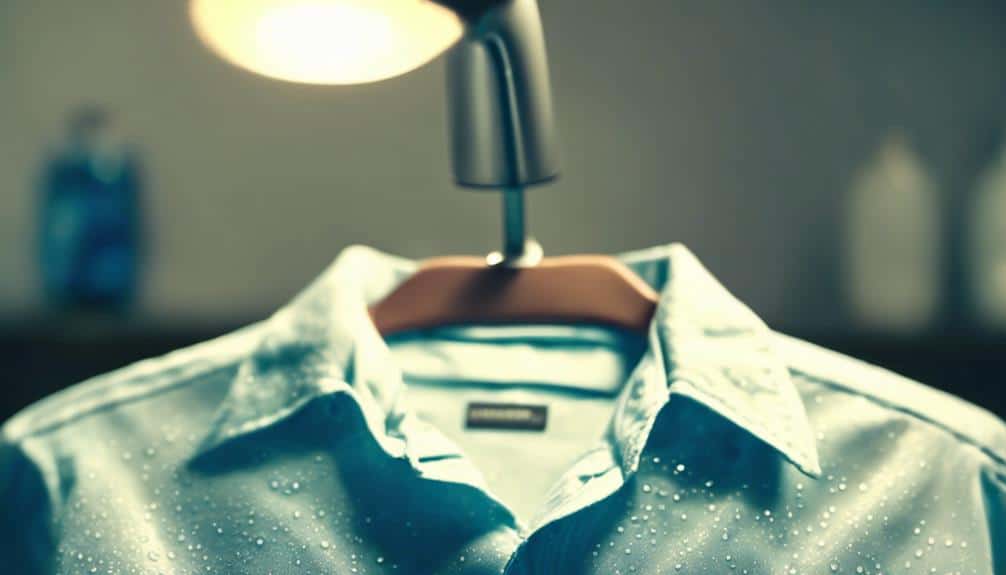
In summary, steam cleaning effectively sanitizes and refreshes fabrics using high-temperature steam without harsh chemicals. This method is particularly beneficial for individuals sensitive to chemical residues, offering significant health benefits.
Steam cleaning is renowned for its ability to eliminate 99.9% of bacteria, viruses, and mold spores—ensuring a hygienic environment for you and those you serve.
A key benefit of steam cleaning is its capacity to eliminate allergens from fabrics. Dust mites, pet dander, and pollen are common allergens that can trigger respiratory issues and allergic reactions. The high-temperature steam penetrates deeply into the fibers eradicating these allergens—offering relief for allergy sufferers.
By opting for steam cleaning, you’re not only maintaining the cleanliness of fabrics but also fostering a healthier living or working environment.
Furthermore, steam cleaning is environmentally friendly as it utilizes water and minimal energy reducing the ecological footprint compared to conventional cleaning methods. For those who prioritize sustainability this approach aligns well with eco-conscious practices.
The Advantages of Dry Cleaning

While steam cleaning offers numerous health and environmental benefits dry cleaning excels in preserving delicate fabrics and intricate garments that could be damaged by water or high heat. When handling valuable items such as silk dresses, wool suits, or beaded gowns dry cleaning guarantees their longevity and appearance. This method uses chemical solvents instead of water which minimizes the risk of shrinking, stretching, or distorting the fabric.
Another key advantage of dry cleaning is its superior stain removal capabilities. Solvents used in the process are highly effective at breaking down oils and grease that water-based cleaners might miss. This makes dry cleaning particularly effective for tough stains like oil, ink, and wine—preserving the fabric’s integrity and appearance.
Moreover, dry cleaning contributes to fabric preservation by preventing color fading and maintaining the texture of the material. The controlled environment of a professional dry cleaning facility ensures that each garment is treated according to its specific care requirements thereby extending its lifespan.
The Drawbacks of Steam Cleaning
Despite being effective for many applications steam cleaning has limitations that can impact its overall utility. One primary challenge is equipment maintenance; steam cleaners require regular upkeep to guarantee peak performance including descaling to prevent mineral buildup and checking seals to avoid leakage. Neglecting these tasks can lead to inefficient operation and potentially costly repairs.
Another significant limitation is temperature control; effective steam cleaning hinges on maintaining a consistent temperature. If the steam isn’t hot enough it won’t sanitize or clean effectively while excessively high temperatures can damage sensitive materials leading to wear over time. Consequently you need to carefully monitor and adjust the temperature settings to match the specific requirements of the task at hand.
Furthermore, steam cleaning isn’t suitable for all materials. Delicate fabrics such as silk or certain types of wool can be damaged by the intense heat and moisture. Additionally using steam on porous surfaces like unsealed wood can lead to warping or discoloration.
Lastly, steam cleaning often involves longer drying times compared to other methods. This can be inconvenient if you need to quickly return items or spaces to service particularly in high-traffic areas or time-sensitive environments.
The Drawbacks of Dry Cleaning

Despite its advantages, dry cleaning has several limitations that can affect its effectiveness and suitability for various applications. One primary concern is the presence of chemical residues; solvents used in dry cleaning such as perchloroethylene (perc) can leave behind residues on fabric. These chemical residues may pose health risks particularly for those with sensitive skin or allergies and also have environmental impacts.
Another significant limitation is fabric wear; the mechanical action involved in dry cleaning can lead to gradual degradation of fabric fibers. Over time this results in thinning loss of tensile strength and reduced lifespan of garments. For delicate fabrics this wear is particularly pronounced making dry cleaning less suitable for items that need to maintain their integrity over multiple cleanings.
Additionally, dry cleaning isn’t always effective at removing all types of stains especially water-based ones. The solvents used are excellent for oil-based stains but may struggle with other contaminants requiring additional treatments that could further contribute to fabric wear.
Understanding these limitations will help you make informed decisions about when to use dry cleaning ensuring both the longevity and cleanliness of your garments.
Cost Comparison

When comparing costs, you’ll find that dry cleaning generally tends to be more expensive than steam cleaning. This cost difference can impact customer preferences especially for those who are budget-conscious.
Dry cleaning involves specialized solvents and equipment leading to higher service costs. Steam cleaning on the other hand primarily uses water and heat which are less expensive to maintain.
Here’s a breakdown of what contributes to the cost differences:
- Equipment Investment: Dry cleaning requires advanced machinery and solvents leading to higher initial and maintenance costs.
- Operational Costs: The solvents and chemicals used in dry cleaning are pricier compared to the water and steam used in steam cleaning.
- Labor Costs: Specialized training is often needed for dry-cleaning staff which can increase labor costs.
- Turnaround Time: Dry-cleaning processes can take longer resulting in higher labor hours and costs.
- Service Availability: Steam cleaning is often more widely available and can be done at home with rental units making it a cheaper alternative.
Environmental Impact
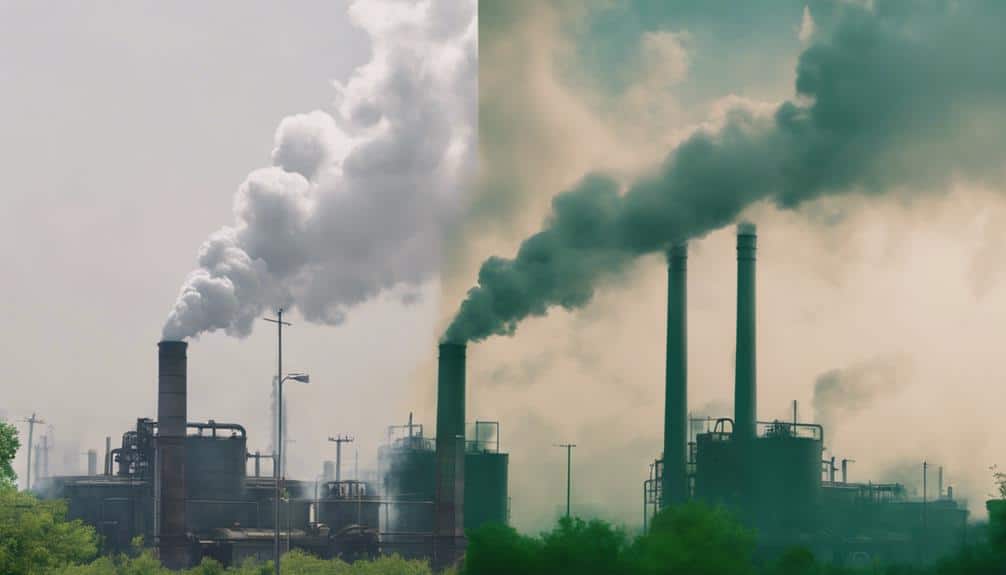
While both cleaning methods have their merits evaluating their environmental impact reveals notable differences in sustainability. Steam cleaning primarily uses water and heat to sanitize surfaces leading to minimal chemical usage. This method often employs high temperatures to break down dirt and bacteria which means fewer harmful substances are released into the environment. However, the downside is significant water consumption; depending on the scale of the cleaning task steam cleaning can consume anywhere from a few liters to several gallons of water potentially stressing local water resources.
Conversely, dry cleaning uses chemical solvents most commonly perchloroethylene (perc) which can be hazardous to both human health and the environment. Perc is known to contribute to air and water pollution and poses risks such as respiratory issues and groundwater contamination. However, dry cleaning has the advantage of lower water consumption making it a more viable option in regions where water scarcity is a concern.
If you’re considering environmental sustainability steam cleaning may be preferable due to its reduced chemical usage. However, you must also consider local water availability and potential environmental trade-offs associated with high water consumption.
Best Uses for Each Method
Given their distinct environmental impacts it’s important to assess the best applications for steam cleaning and dry cleaning to maximize efficiency and effectiveness.
Steam cleaning excels in situations demanding deep sanitization and where water’s solvent action can be beneficial. It is ideal for sanitizing car interiors to remove dirt, allergens, and bacteria; deep-cleaning carpets and upholstery in high-traffic areas; revitalizing tile and grout in bathrooms and kitchens; cleaning hard surfaces like windows and kitchen appliances; and degreasing engine compartments and other automotive components.
Dry cleaning on the other hand is superior for items requiring gentle handling due to the absence of water which can cause damage. This method is best used for preserving the integrity of delicate fabrics such as silk, wool, cashmere; maintaining the shape and color of suits, formal wear, evening gowns; cleaning items with intricate details or beading that water could damage; removing stubborn oil-based stains that water alone can’t dissolve; extending the life of garments by avoiding wear from traditional washing.
Conclusion
In conclusion steam cleaning offers a more environmentally-friendly cost-effective versatile solution while dry cleaning provides specialized care for delicate fabrics. Steam cleaning sanitizes without harsh chemicals making it safer more sustainable.
On the other hand dry cleaning effectively removes stains preserves fabric quality though at a higher cost environmental impact. Choose steam cleaning for a broad range of materials eco-consciousness opt for dry-cleaning when handling delicate specialty fabrics.
If you’re interested in learning more about how steam cleaning can benefit your home or business visit Hydra Clean of Hattiesburg MS at myhydraclean.com or give us a call at (601) 336-2411.
We’re here to help and look forward to answering any questions you might have!