
Did you know that the cleanliness of your carpets can directly affect the quality of the air you breathe inside your home? Carpets often trap dust, dirt, mold spores, and various allergens that can significantly impact indoor air quality. When these contaminants accumulate, they can contribute to respiratory issues and allergies. By understanding the role of carpet cleaning, you’ll see how methods like steam cleaning and regular maintenance not only spruce up your living space but also create a healthier environment. Curious about how to improve your home’s air quality? Let’s explore further.
Understanding Indoor Air Quality
Indoor Air Quality (IAQ) refers to the condition of the air within and around buildings, especially as it relates to the health and comfort of building occupants. To maintain peak IAQ, you need to focus on two critical components: ventilation systems and humidity control.
Ventilation systems play a crucial role in ensuring fresh air circulates throughout your building. By using mechanical and natural ventilation, you can eliminate contaminants and replenish oxygen levels. Studies show that proper ventilation can reduce indoor pollutant levels by up to 90%, which greatly enhances respiratory health and overall well-being. Make sure your ventilation systems are regularly inspected and maintained to avoid blockages and inefficiencies.
Humidity control is equally important for maintaining high IAQ standards. Ideal indoor humidity levels range between 30-50%. Excess moisture can promote mold growth and dust mite proliferation, both of which are major allergens. Conversely, low humidity can cause respiratory issues and discomfort. Utilize dehumidifiers or humidifiers as needed, and monitor humidity levels with hygrometers to maintain balance.
How Carpets Trap Pollutants
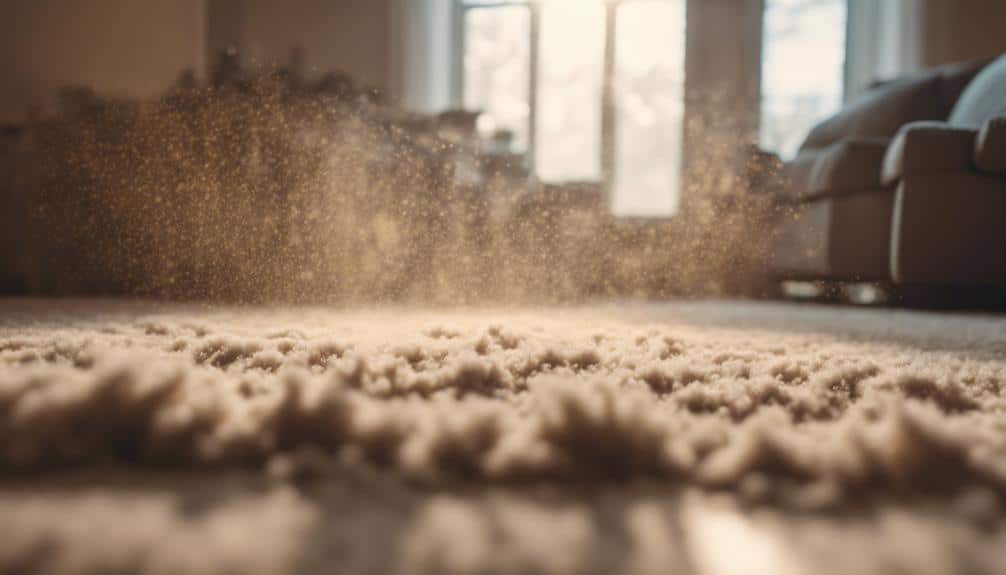
Carpets, through their dense fibers, act as reservoirs for a variety of indoor pollutants, including dust, allergens, and chemical residues. When you walk across your carpet, the fibers capture and hold onto particulate matter. This dust accumulation can include anything from pet dander to pollen and even tiny particles of soil. Over time, these pollutants build up, creating a hidden layer of contaminants that can affect indoor air quality.
Moreover, carpets are particularly effective at allergen retention. Microscopic allergens such as dust mites and mold spores find a hospitable environment within the carpet fibers. Studies show that carpets can hold up to 40 pounds of dirt per square yard, highlighting their ability to trap pollutants. Additionally, volatile organic compounds (VOCs) from household cleaners and other chemicals adhere to carpet fibers further contributing to indoor pollution.
To mitigate these issues it’s important to adopt regular cleaning practices. Vacuuming with a HEPA filter can significantly reduce the level of trapped pollutants.
Health Benefits of Clean Carpets

Exploring the specific health benefits you can achieve through diligent carpet cleaning:
- Allergy Reduction: Clean carpets reduce the presence of allergens such as pollen, pet dander, and dust mites. Studies show that regular carpet cleaning can lower allergen levels by up to 75%, providing relief for those suffering from allergies.
- Improved Respiratory Health: Contaminants trapped in carpets can exacerbate respiratory conditions such as asthma. By keeping carpets clean, you minimize these risks, leading to improved lung function and reduced respiratory symptoms. Research indicates a 40% decrease in respiratory issues in environments where carpets are regularly cleaned.
- Enhanced Overall Wellness: Clean carpets contribute to a healthier living environment. Reducing indoor pollutants helps prevent headaches, fatigue, and other health issues related to poor indoor air quality. Data suggests that a cleaner indoor environment can improve cognitive function and overall well-being by 30%.
Effective Carpet Cleaning Methods
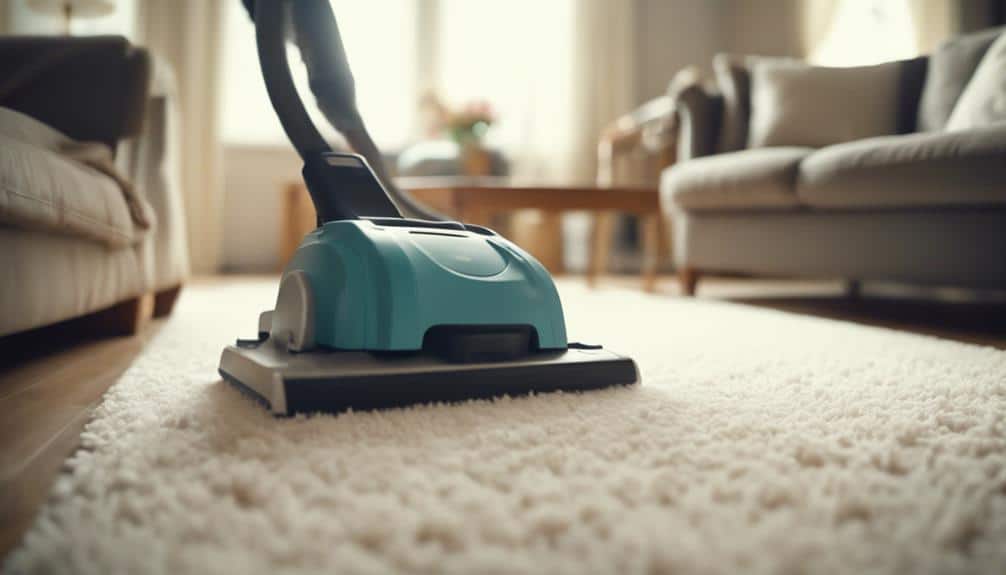
To achieve these health benefits, you must employ effective carpet cleaning methods that remove contaminants and maintain a high level of indoor air quality. One of the most effective techniques is steam cleaning. This method utilizes high-temperature steam to penetrate deep into the carpet fibers, effectively dislodging dirt, allergens, and bacteria. Data indicates that steam cleaning can eliminate up to 99.9% of germs and bacteria, greatly improving indoor air quality.
Chemical treatments are another viable option. These treatments involve applying specialized cleaning agents that break down and dissolve various types of contaminants. For example, enzyme-based cleaners can target organic stains and odors making your carpet not only cleaner but also fresher. However, when using chemical treatments it’s important to choose non-toxic eco-friendly options to avoid introducing harmful chemicals into your indoor environment.
Analyzing the efficacy of these methods studies have shown that combining steam cleaning with appropriate chemical treatments can enhance the overall cleanliness and air quality of your home. By employing these advanced techniques you’re ensuring a healthier living space for those you serve effectively reducing the risk of respiratory issues and allergic reactions.
Tips for Regular Maintenance
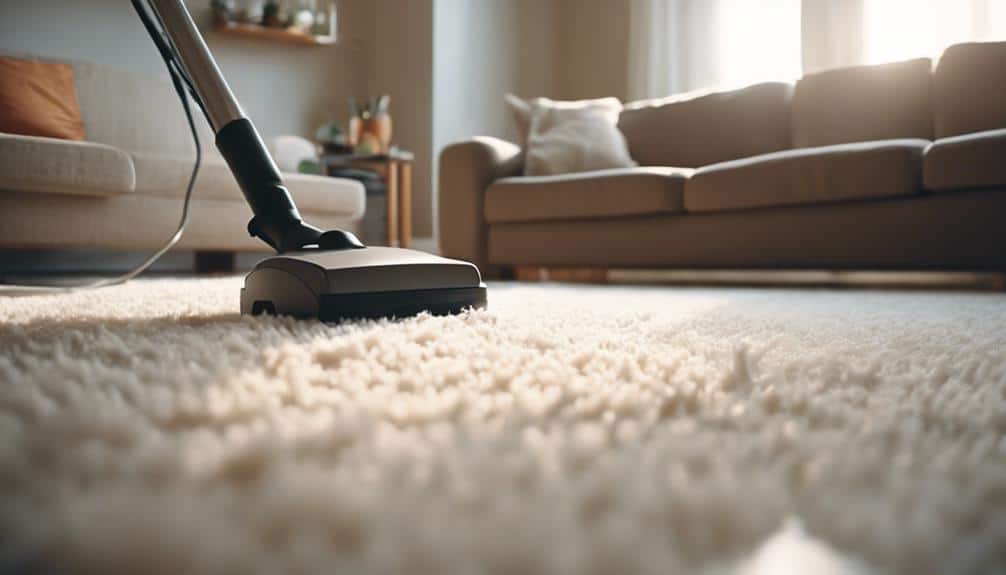
Regular maintenance of your carpets is essential for preserving indoor air quality and extending the life of your flooring. To achieve best results you should adhere to a systematic approach that combines vacuuming frequency spot treatment and periodic deep cleaning.
Here are three key strategies:
- Vacuuming Frequency: Vacuum your carpets at least twice a week. In high-traffic areas, increase this to daily. This practice helps eliminate dust, allergens, and particulate matter that can compromise air quality.
- Spot Treatment: Address spills and stains immediately using appropriate cleaning solutions. Quick action prevents contaminants from seeping deep into carpet fibers reducing the risk of mold and bacteria growth. Use a blotting technique rather than rubbing to avoid spreading the stain.
- Periodic Deep Cleaning: Schedule professional deep cleaning every 12 to 18 months. This process extracts embedded dirt and allergens that regular vacuuming can’t reach. Opt for hot water extraction methods which are proven to remove over 90% of bacteria and pollutants.
Conclusion
In essence, regular carpet cleaning is your ticket to better indoor air quality.
By understanding how carpets trap pollutants and opting for effective cleaning methods like steam cleaning and chemical treatments you’re not just enhancing your home’s aesthetics—you’re also promoting a healthier environment.
Remember, consistent maintenance is key; it’s the glue that holds everything together. Cleaner carpets mean fewer allergens leading to a noticeable improvement in your indoor air quality.
If you want to dive deeper into the benefits of professional carpet cleaning I invite you to check out Hydra Clean of Hattiesburg MS.
Visit us at myhydraclean.com or give us a call at (601) 336-2411. We’re here to help you create a cleaner healthier home!