
In recent years, there has been a growing awareness of the significance of maintaining a clean and healthy indoor environment. One major contributor to poor air quality and allergen buildup within homes is unclean carpets. In Lumberton, Mississippi, where humidity levels often soar during the warmer months, taking measures to eliminate allergens from carpets becomes even more vital for ensuring overall well-being. This article delves into the importance of regular carpet maintenance, identification of common allergens found in carpets, appropriate carpet cleaning methods, tips for selecting professional carpet cleaners, and do-it-yourself solutions for achieving an allergen-free home.
Individuals seeking a sense of comfort and belonging in their living space must take proactive steps towards fostering an environment that promotes respiratory health. Carpets can harbor various allergens such as dust mites, pet dander, mold spores, and pollen particles; all of which can trigger or exacerbate allergies and asthma symptoms among inhabitants. By understanding how these contaminants accumulate within carpets and investing in proper cleaning techniques specific to their needs (whether it be through professional services or personal efforts), residents in Lumberton will not only experience improved air quality but also contribute positively to their community’s collective wellness by creating healthier spaces for themselves and their neighbors.
The Importance of Regular Carpet Maintenance

Undoubtedly, regular carpet maintenance plays a pivotal role in not only enhancing the aesthetic appeal of one’s surroundings but also significantly improving indoor air quality by eradicating allergens and facilitating effortless breathing. The upkeep of carpets contributes to carpet longevity, ensuring that they remain visually pleasing and functional for an extended period. By adhering to a consistent cleaning schedule, individuals can effectively remove dust, dirt, and allergens embedded within the fibers of their carpets. This meticulous approach to carpet care is essential in maintaining a healthy living environment while simultaneously preserving the investment made in purchasing these floor coverings.
A plethora of health benefits is associated with thorough carpet maintenance, as it aids in eliminating pollutants that may exacerbate respiratory issues or trigger allergies in sensitive individuals. Pollutants such as pet dander, pollen, mold spores, and dust mites thrive within the confines of carpets; consequently, professional cleaning services are crucial in mitigating these adverse effects on inhabitants’ well-being. By investing time and effort into proper carpet care routines – which may include vacuuming at least once a week alongside periodic deep cleanings – individuals create an inclusive atmosphere where all occupants can breathe easily without fear of aggravation from airborne irritants. This unwavering commitment to fostering hygienic spaces ultimately promotes a sense of belonging among those who reside therein while simultaneously contributing to overall health improvement initiatives within the community at large.
Identifying Common Allergens in Carpets
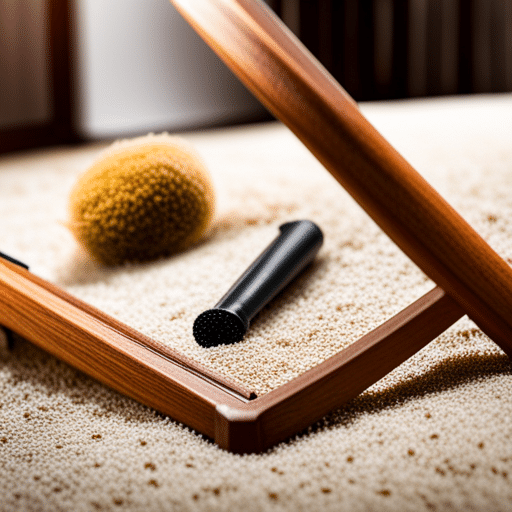
In the vast landscape of indoor allergens, identifying common culprits lurking within carpets is crucial for maintaining a healthy living environment. Carpet materials, such as synthetic fibers or natural textiles, can harbor various allergen sources that may cause discomfort and health issues to individuals exposed to them. Recognizing these allergens can aid in selecting appropriate carpet cleaning methods and ensure a more breathable atmosphere.
1. Dust mites: Microscopic creatures that thrive in warm and humid environments, dust mites are among the most prevalent allergens found in carpets. They feed on dead skin cells from humans and pets, leading to the accumulation of their fecal matter and body fragments which can trigger allergic reactions.
2. Pollen: Outdoor pollen from plants can easily be tracked indoors by humans or pets, eventually settling into carpet fibers. Pollen grains are known to trigger seasonal allergies in susceptible individuals.
3. Mold spores: Damp conditions or inadequate ventilation often lead to mold growth within carpets, releasing airborne spores that can provoke respiratory issues and allergies.
4. Pet dander: Shed skin cells and hair from pets such as dogs or cats are easily trapped within carpet materials, causing allergic reactions among sensitive individuals.
By recognizing these common allergen sources in carpets, one can take necessary precautions when selecting appropriate cleaning techniques or seeking professional assistance for effective removal. In doing so, this promotes a sense of belonging among individuals who share similar concerns over indoor air quality while fostering a healthier living space for all inhabitants.
Selecting the Right Carpet Cleaning Method
Selecting an appropriate and effective carpet cleaning method is essential for maintaining a healthy indoor environment, reducing allergens, and ensuring the well-being of occupants. Various factors must be considered in this process, including the type of carpet material, the presence and severity of allergens, as well as budgetary constraints. Moreover, it is crucial to select a cleaning technique that not only addresses immediate concerns but also contributes to long-term maintenance and care of carpets. Eco-friendly cleaning options should also be taken into account to minimize any potential negative impact on both human health and the environment.
Carpet material selection plays a significant role in determining the most suitable cleaning approach. For example, natural fibers such as wool or silk may require specialized treatment compared to synthetic materials like nylon or polyester. Additionally, certain carpet designs or patterns may necessitate more delicate care to prevent damage during the cleaning process. Professional carpet cleaners can provide valuable guidance in identifying the most appropriate method based on these characteristics while prioritizing eco-friendly practices whenever possible. These environmentally conscious alternatives may include using non-toxic solutions with reduced water consumption or employing steam cleaning equipment for a chemical-free experience that effectively eliminates allergens without compromising air quality or contributing to pollution. Ultimately, selecting the right carpet cleaning strategy ensures a cleaner living space and improved respiratory health for all occupants while promoting responsible stewardship of resources and environmental protection.
Tips for Choosing a Professional Carpet Cleaner
Entrusting the task of carpet maintenance to a reliable professional cleaner necessitates careful consideration and evaluation of various factors, such as expertise, eco-friendly practices, and customer satisfaction. Selecting a service provider with the right carpet cleaner qualities ensures that allergen-focused treatments are employed effectively to promote a healthy living environment. As carpets act as reservoirs for allergens, regular cleaning by experts aids in maintaining an allergen-free atmosphere within residential or commercial spaces.
When selecting a professional carpet cleaner, consider these three crucial points:
1. Experience and Expertise: Opt for cleaners who have extensive experience in the industry and possess certifications from recognized organizations like the Institute of Inspection Cleaning and Restoration Certification (IICRC). These qualifications demonstrate their proficiency in handling different types of carpets and addressing unique challenges related to allergens.
2. Eco-Friendly Practices: Choose carpet cleaners who use environmentally friendly products and methods that minimize water usage during the cleaning process. Green-certified cleaning solutions not only contribute to conserving our planet’s resources but also ensure your family’s safety from harmful chemicals.
3. Customer Satisfaction: Research reviews from previous clients to gauge their satisfaction levels with regard to service quality, timeliness, professionalism, and value for money. A company that prioritizes customer satisfaction will likely deliver superior results while focusing on eliminating allergens effectively.
In conclusion, identifying a skilled professional carpet cleaner dedicated to employing allergen-focused treatments contributes significantly towards creating healthier indoor spaces where one can breathe easily without any concerns about allergies or respiratory issues arising due to unwarranted exposure to pollutants harbored within unclean carpets.
DIY Solutions for Allergen-Free Carpets

Maintaining allergen-free carpets through do-it-yourself (DIY) solutions can be an effective approach for individuals seeking to reduce potential health risks associated with indoor pollutants, while also saving costs on professional cleaning services. The utilization of eco-friendly products and dust mite control techniques can significantly decrease the prevalence of allergens in carpeted areas. These methods are not only beneficial for individual health but also contribute to a sustainable and environmentally-conscious lifestyle.
In order to achieve optimal results when implementing DIY solutions for allergen-free carpets, it is crucial to select eco-friendly products that are specifically designed to target common allergens such as dust mites, pet dander, and mold spores. For instance, using a HEPA-filter vacuum cleaner on a regular basis can effectively capture small particles that traditional vacuums may miss. Additionally, utilizing natural cleaning agents such as baking soda or vinegar instead of harsh chemical-based cleaners can further minimize environmental impact while still delivering satisfactory results in terms of cleanliness and allergen reduction. Dust mite control measures include washing bedding items at high temperatures, encasing mattresses and pillows in dust-mite-proof covers, and maintaining low humidity levels within the home environment. By consistently adopting these DIY strategies in conjunction with each other, individuals will be able to successfully maintain an allergen-free carpet while simultaneously fostering a sense of belonging within an environmentally responsible community.
Frequently Asked Questions
How long does it take for allergens to accumulate in carpets, and how often should I have my carpets professionally cleaned to prevent this buildup?
The dance of allergens in domestic tapestries follows a mysterious tempo; the allergen buildup timeline varies. To preserve an inclusive sanctuary, professional cleaning frequency should occur every 6-12 months, depending on conditions.
Are there any specific carpet materials or types that are more resistant to allergens and easier to maintain for allergy sufferers?
Allergen-resistant materials, such as hypoallergenic carpets, can mitigate allergy symptoms. These carpets typically feature tightly woven fibers and synthetic materials, reducing allergen accumulation and easing maintenance for allergy sufferers.
Can regular vacuuming alone effectively reduce allergens in carpets, or are there additional steps I should be taking for better indoor air quality?
Regular vacuuming partially reduces allergens in carpets; however, addressing all allergen sources necessitates exploring vacuum alternatives. Enhancing indoor air quality involves periodic deep cleaning, utilizing HEPA filters, and maintaining proper humidity levels.
What are the potential health risks associated with not addressing allergens in carpets, especially for children and the elderly?
Allergen exposure in carpets may lead to health complications, particularly for vulnerable populations such as children and the elderly. Respiratory issues, skin irritations, and exacerbated allergy symptoms are potential risks associated with unaddressed allergens.
Are there any natural or eco-friendly carpet cleaning products that are effective in eliminating allergens without causing harm to the environment or my family’s health?
Despite skepticism regarding their efficacy, eco-friendly solutions for carpet cleaning do exist and effectively eliminate allergens. Utilizing such products promotes allergen-free homes while safeguarding family health and the environment.